





By Fernando Kallas
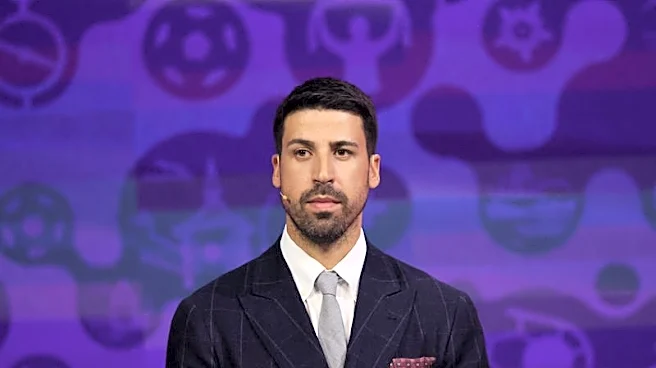
NEW YORK, June 23 (Reuters) - Sami Khedira knows what it means to carry more than one flag in his heart, which is why Germany's 2014 World Cup winner sees no identity crisis in brothers wearing different shirts at the 2026 tournament.
To him, it is not a football problem but a portrait of the modern game - diverse and wonderfully human.
For Khedira, whose brother Rani is at the World Cup with Tunisia, their father's country, brothers playing for different countries is a reflection
of families, migration and belonging in a world where identity rarely fits inside one passport.
"I don't see it as an issue," Khedira told La Gazzetta dello Sport at the Home of Football museum in New York on Monday.
"I see it as a modern, global world where we all come together. And for me, in my world view, it's wonderful."
Born and raised in Germany to a German mother and their Tunisian father, Khedira said he and Rani carry two cultures naturally rather than competitively.
He added that people sometimes questioned his Germanness because of his name and appearance, while in Tunisia he could be seen as German. His answer was simple: both can be true.
"We have both nations in our heart," he said. "Both mentalities as well. And this one makes us special."
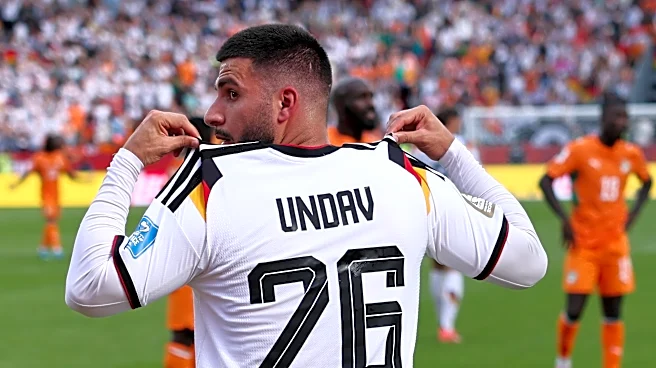
This World Cup features eight sets of brothers, four playing together and four representing different countries.
Inaki and Nico Williams are Athletic Bilbao teammates but have taken separate international paths with Ghana and Spain respectively, while Guela and Desire Doue are split between the Ivory Coast and France.
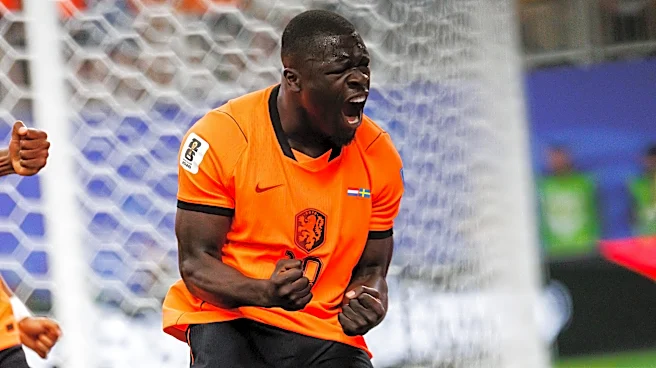
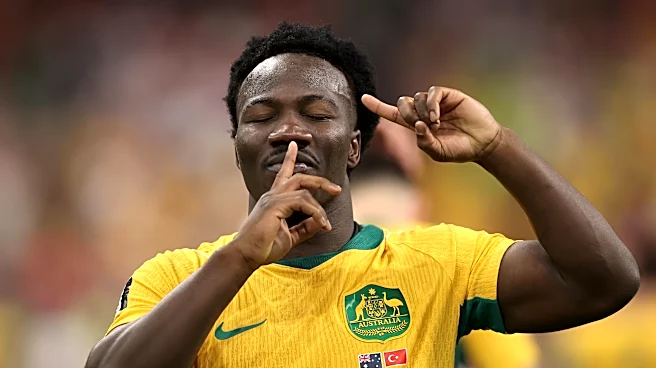
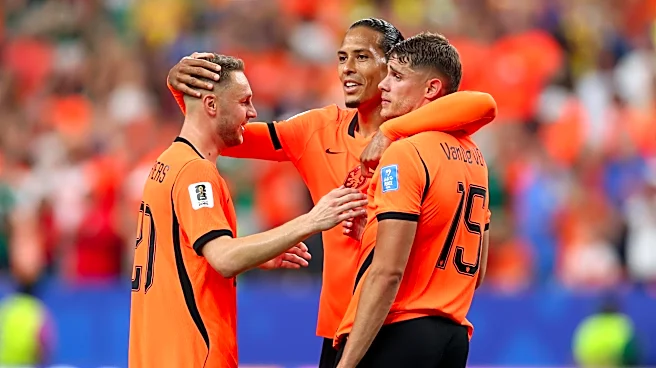
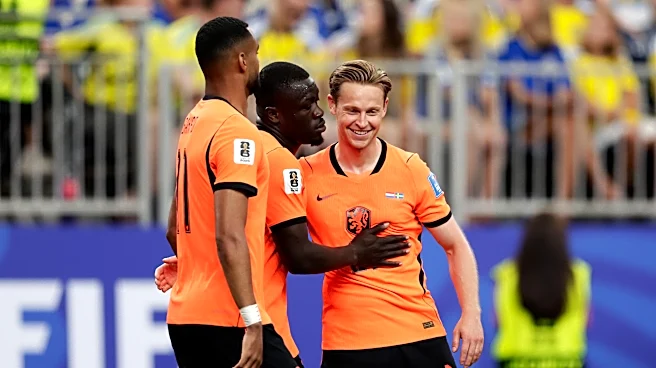
There are also the cases of Derrick Luckassen and Brian Brobbey, brothers through their mother but playing under their fathers' surnames for Ghana and Netherlands respectively, and Harry and John Souttar, divided between Australia and Scotland.
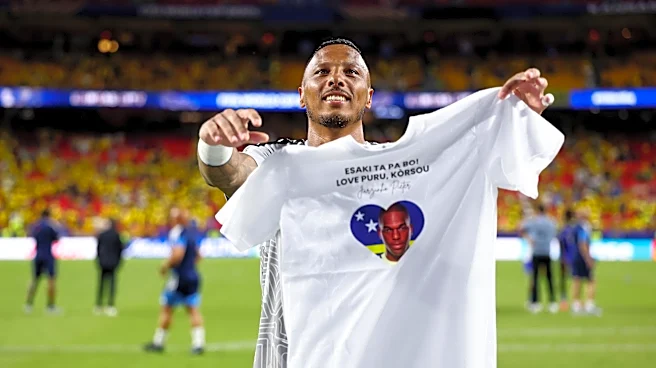
Elsewhere, Theo and Lucas Hernandez play for France, Jurrien and Quinten Timber for the Netherlands, Laros and Deroy Duarte for Cape Verde and Leandro and Juninho Bacuna for Curacao.
EMOTIONAL PULL
The emotional pull of nationality was clear to Khedira him when he watched the Doue brothers sing both anthems before France and the Ivory Coast met in a friendly earlier this month.
Khedira said the image stayed with him because it captured football's ability to say something bigger than the match itself.
"How beautiful is that?" he said. "That's multicultural, and that's a strong message to the world because football is so powerful."
Khedira said the expanded 48-team World Cup had also helped countries such as Cape Verde, Curacao and Haiti show they could compete on the biggest stage, while African and Asian teams were closing the gap on Europe and South America.
He pointed to improving education, coaching and infrastructure, though he said Europe still had a duty to help development at source rather than merely benefit from dual-nationality players.
The hardest part, he added, falls on young players being courted by multiple federations before they fully understand what such decisions mean. For Khedira, the right answer cannot be forced by politics, pressure or heritage alone.
"It's about a gut feeling," he said. "It doesn't matter where you're born. It's just a feeling that you have inside that pulls to make such an important and personal decision but it's an immense pressure over kids of such young age, and that's really, really hard.
"I talked to them (the Tunisian FA), obviously, out of respect. I remember when I was like 18, still a little boy and needing to make this kind of decision. It's really hard to choose a community but it's good that they are able to decide."
(Reporting by Fernando Kallas, Editing by Ken Ferris)