

By Hatem Maher
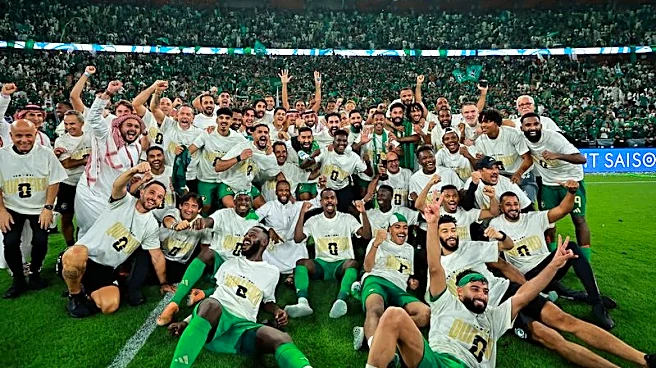
CAIRO, June 2 (Reuters) - Saudi Arabia head to the World Cup facing renewed questions after sacking Herve Renard, the coach who engineered one of the greatest upsets in tournament history by leading them to victory over eventual champions Argentina four years ago.
The Frenchman was dismissed in April, less than two months before the finals in North America, after a disappointing run of results raised concerns over Saudi Arabia's readiness for the expanded 48-team tournament.
Renard's
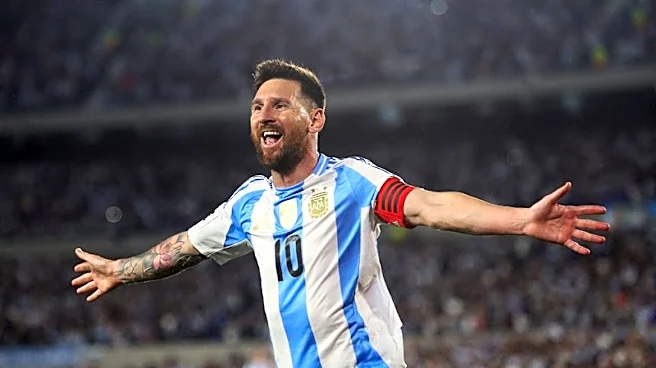
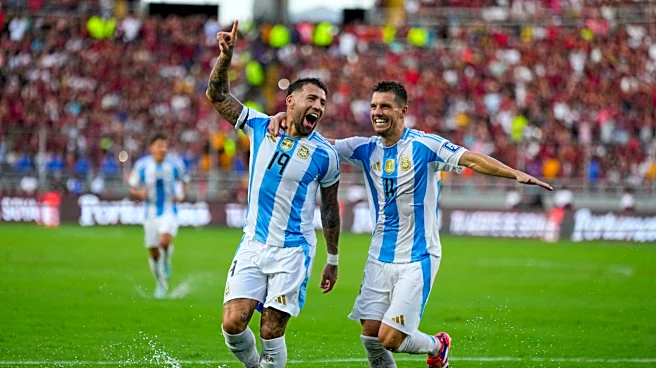
place in Saudi football folklore was secured in Doha in 2022, when Salem Al-Dawsari's stunning winner sealed a 2-1 victory over Lionel Messi's Argentina in one of the World Cup's biggest shocks.
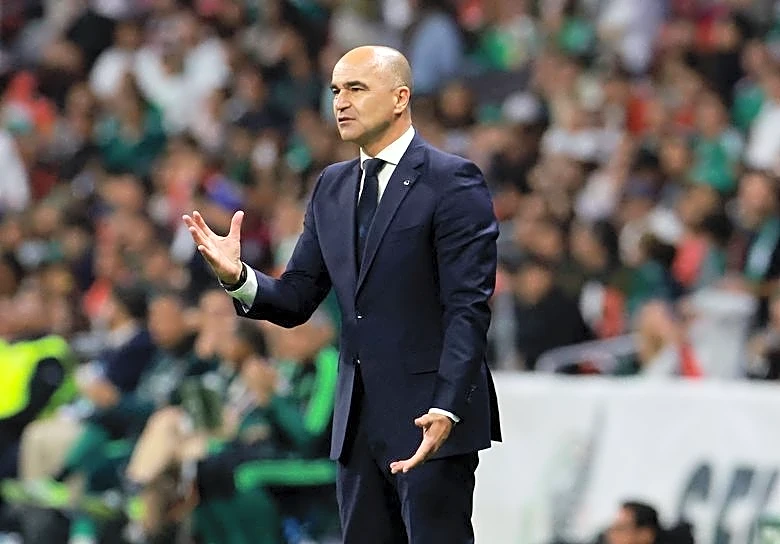
Saudi Arabia brought Renard back in 2024 after a brief and unsuccessful spell under Italian Roberto Mancini, hoping he could restore the discipline and intensity that defined their 2022 campaign despite their group-stage exit.
Instead, the team struggled for consistency, highlighted by a 4-0 thrashing by Egypt and a 2-1 defeat by Serbia in pre-World Cup friendlies, prompting the Saudi federation to make a late managerial change before a daunting Group H campaign featuring European champions Spain, Uruguay and Cape Verde.
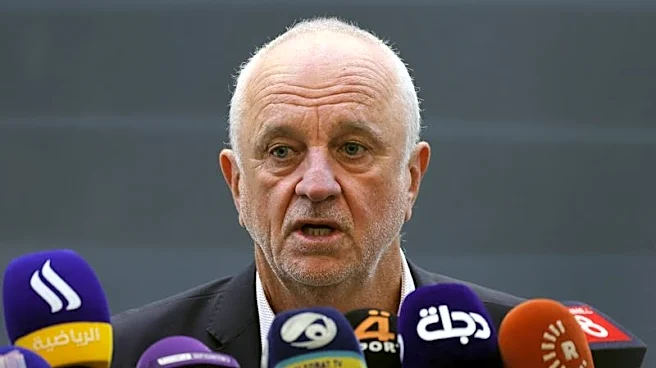
Saudi Arabia turned to Greek coach Georgios Donis in an attempt to steady the ship. The former Blackburn Rovers and Sheffield United midfielder arrived with extensive coaching experience in Saudi football, but this marks his first foray into international management.
LEAGUE IMPACT ON NATIONAL TEAM
Saudi Arabia's dip in form has also reignited debate over the impact of the Saudi Pro League's rapid transformation.
Since Cristiano Ronaldo's move to Al-Nassr in late 2022 triggered an influx of global stars, the domestic league has become one of the region's highest-profile competitions, with clubs allowed to register up to 10 foreign players.
The spending spree has boosted attendances, television audiences and international visibility, but critics say it has come at a cost to the national team, with Saudi internationals increasingly losing playing time at club level.
Captain Salem Al-Dawsari remains the team's talisman and one of Asia's most dangerous attacking players, but Saudi Arabia arrive at the tournament with far less momentum than they carried into Qatar four years ago.
They can, though, draw inspiration from the tournament's return to the United States, where the Saudis enjoyed their finest World Cup run by reaching the last 16 on their debut in 1994.
(Reporting by Hatem Maher; Editing by Ken Ferris)