



By Alan Baldwin
LONDON, April 19 (Reuters) - Formula One's governing body has hailed drivers for their 'invaluable' input ahead of a teams meeting on Monday that will put forward proposed rule changes to improve racing.
The sport has undergone the biggest change in decades on the chassis and engine with new power units that are split roughly 50-50 between electric and combustion power.
Drivers have, however, complained about the impact on racing and raised safety concerns from having to ease off the throttle
early and coast into high-speed corners so the combustion engine can recharge the battery.
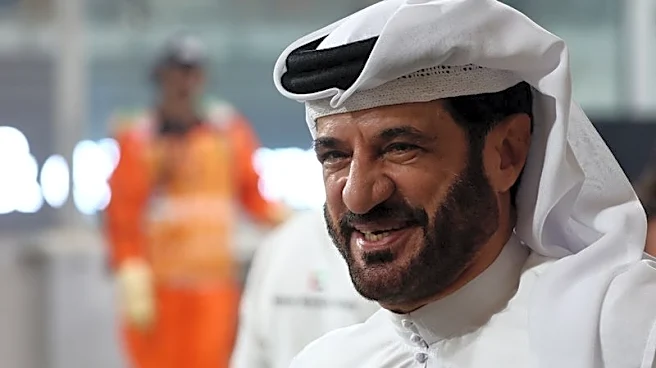
International Automobile Federation (FIA) president Mohammed Ben Sulayem said on social media on Sunday that there had been "constructive and collaborative discussion" between the governing body and drivers ahead of the meeting with team principals and F1 stakeholders.
"The drivers have provided invaluable input on adjustments which they feel should be made, particularly in the areas of energy management to ensure safe, fair and competitive racing."
Ben Sulayem said a series of meetings had also been held with technical representatives of teams and engine manufacturers to discuss proposed changes.
"Safety and the best interests of the sport are the main focus of these discussions," he added.
"Following the meeting tomorrow, the final proposals will be put before a FIA WMSC (World Motor Sport Council) e-Vote."
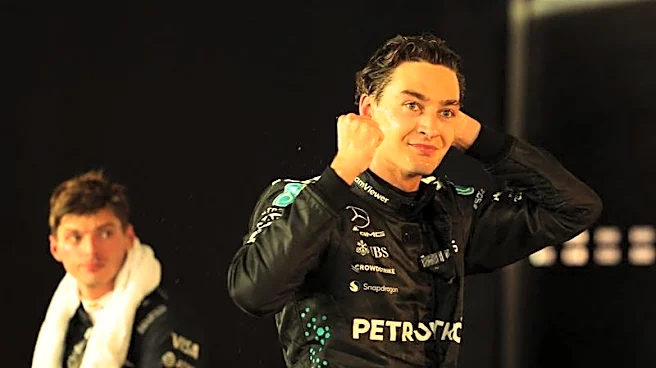
Mercedes driver George Russell, a director of the Grand Prix Drivers' Association (GPDA), told reporters last week that the relationship between the drivers and FIA was "probably the closest" it had been in years and the governing body understood what needed to be done.
"There have been some very positive conversations with the FIA, and everybody is aligned with what we're trying to achieve," he said. "I think the two headline points are flat-out qualifying, so no lift and coast, and then reducing the closing speeds."
Haas driver Oliver Bearman crashed heavily in Japan last month in an incident that sparked calls for the FIA to make safety-related changes.
Bearman's car hit the barriers with a force of 50G after approaching and swerving to avoid Franco Colapinto's Alpine with a 50-kph difference in speed between the cars as one deployed an electrical power boost while the other was low on battery and lacked power.
(Reporting by Alan BaldwinEditing by Toby Davis)