






By Amy Tennery
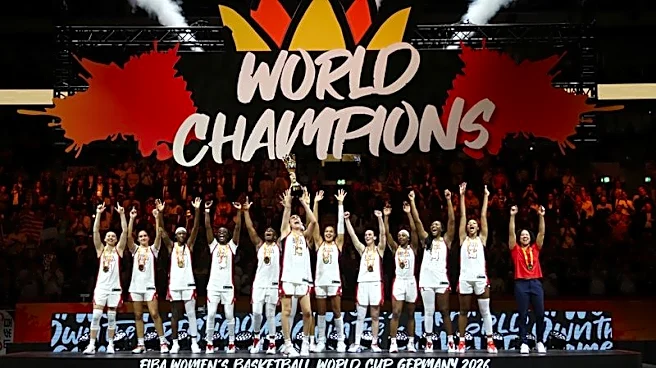
NEW YORK, Sept 15 (Reuters) - The WNBA season resumes on Thursday after the league’s growing influence was felt at the FIBA Women’s World Cup, where a punishing schedule underlined the difficulty of staging major international tournaments without accommodating the world’s leading women’s league.
The WNBA paused its season for the tournament, frustrating some fans, while FIBA has already said the 2030 World Cup will be staged later in the year, another sign that the league’s growing power
is reshaping the global basketball calendar.
"We are pleased that the collaboration between global women’s basketball stakeholders, and adjustments we are seeing in the global women’s basketball calendar, more easily allow players to fulfill both WNBA and international team commitments," a WNBA spokesperson told Reuters.
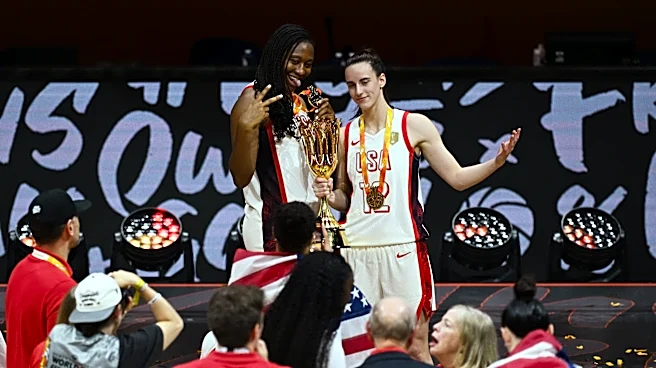
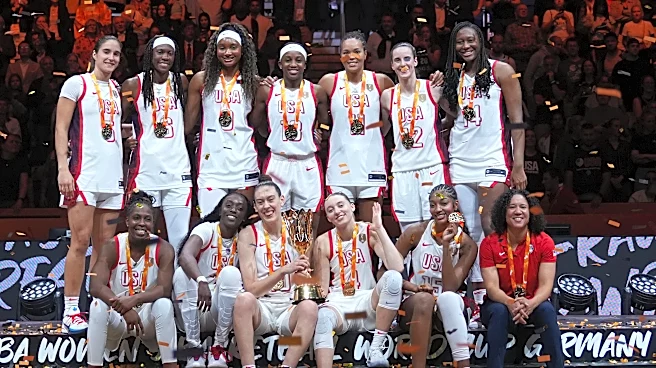
The season restarts only four days after Sunday’s final, in which the United States beat France 97-79. Many players had rushed from their WNBA teams to join their national squads in Berlin, leaving little time to prepare and adding to fatigue as the tournament progressed.
FIBA Secretary General Andreas Zagklis acknowledged concerns over the compressed schedule.
"We had to have a schedule here that will not be repeated, I can confirm that," Zagklis told reporters on Sunday, promising there would be no back-to-back games at the 2030 tournament in Tokyo.
"I'm still convinced we did the best we could in the circumstances we had... while admitting that it was not perfect."
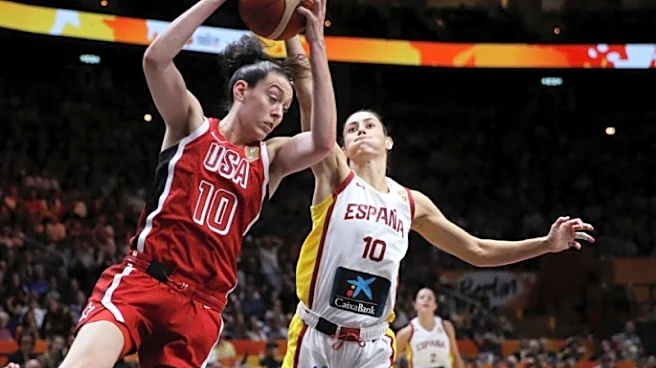
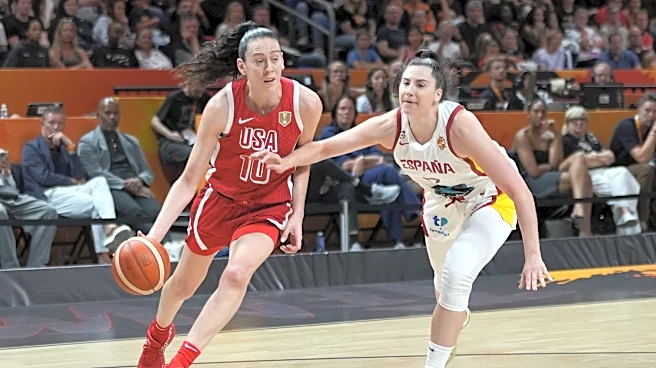
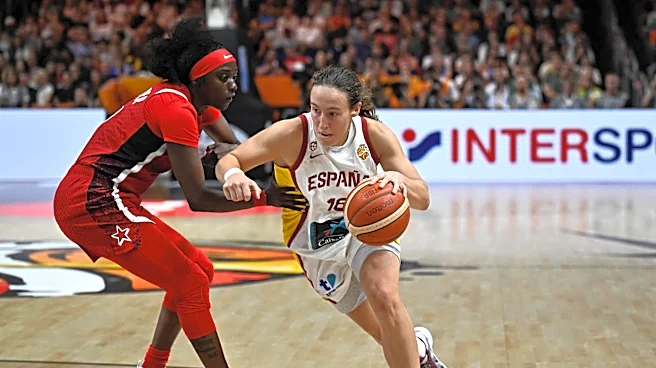
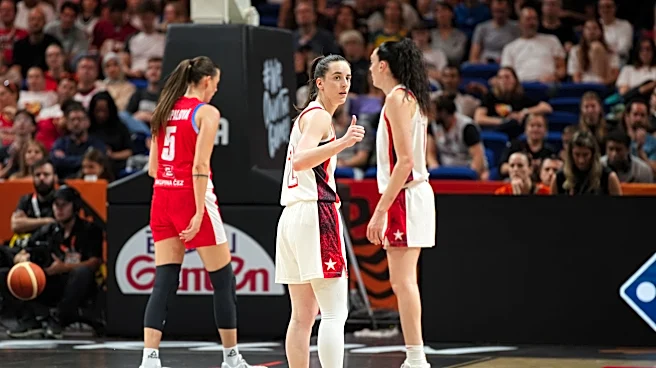
Seventy current and former WNBA players went to compete in Berlin, compared with about 30 active players at the tournament four years ago, illustrating the league’s increasingly central role in the international game.
'THE MOST TALENTED LEAGUE IN THE WORLD'
The WNBA season, which runs from spring to early autumn, does not align with the traditional international basketball calendar. But amid an increasingly congested schedule, the league has found itself at the head of the table with increasing power and influence.
"To perform well in FIBA, (teams) need the WNBA players,” said Jerica Williams, a WNBA scout who has consulted for multiple front offices around the league. “It is without a doubt the most talented league in the world."
The WNBA said FIBA’s calendar change would reduce disruption for players balancing club and international commitments.
"The FIBA Women’s World Cup, like the Summer Olympics, is important for the growth of women’s basketball both in the US and globally given the global stage it offers," the spokesperson added.
The schedule shift marks the latest development in an ongoing push by the league to ensure their leading players prioritise the WNBA.
Players have long supplemented their income by competing overseas during the off-season, often enduring gruelling year-round schedules with little opportunity to rest. Some overseas competitions also overlapped with the start of WNBA training camps.
Prioritization rules that came into effect three years ago required veteran players to report to their WNBA teams before training camp or by May 1, even if they had to depart from their overseas obligations early.
NEW OFF-SEASON ENTERPRISES
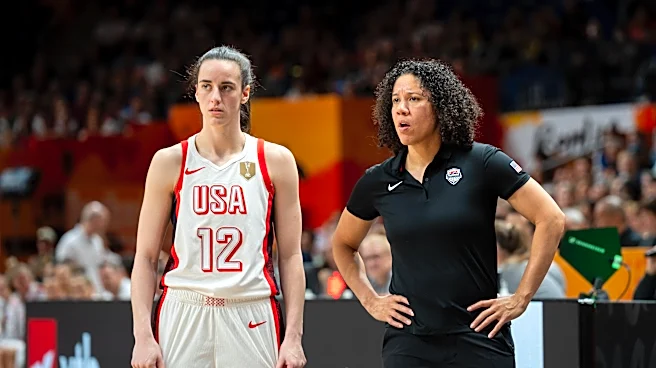
The rules were an early demonstration of the WNBA’s growing clout during a period of rapid expansion, with new teams joining amid viewership growth and the popularity of bankable stars such as Indiana Fever's sharpshooter Caitlin Clark.
International sales of WNBA merchandise have exploded - up by 200% over the past three years with merchandise shipped to more than 50 countries outside the U.S. in 2026 alone.
Improved salaries in the league's latest CBA, plus the addition of appealing new off-season enterprises like Unrivaled, a three-on-three off-season league that launched in North America in 2025 to extraordinary interest from the top talent in the WNBA, have further tipped the scales in the WNBA's favour.
"Over time you're going to see less of the superstars playing in every single qualifier, every single tournament," said Alex Bazzell, the president and CEO of Unrivaled.
Unrivaled lured players with its supersized paychecks and a lighter workload - teams play just 14 games apiece - fitting more comfortably into the WNBA offseason. After its latest funding round, the league was valued at $650 million in August.
"We had to see which way the schedule was trending when we started out in this," said Bazzell.
"Certainly, there were a lot more months of the offseason when we first started, but I think we positioned ourselves and that's why you see these players who are now kind of all flocking to us, those that hadn't played in the offseason before and then those who have obviously traditionally played overseas."
(Reporting by Amy Tennery in New York, additional reporting by Rory CarrollEditing by Toby Davis)