




By Hatem Maher
CAIRO, June 1 (Reuters) - Qatar will arrive at the World Cup seeking to redefine themselves after a disappointing tournament in 2022 when they became the first host nation to lose all three group matches despite heavy investment and lofty expectations.
Since then, the Gulf team have quietly reasserted themselves on the continental stage.
They retained the Asian Cup in 2023 and secured qualification for the World Cup on merit for the first time after automatically qualifying as hosts in 2022.
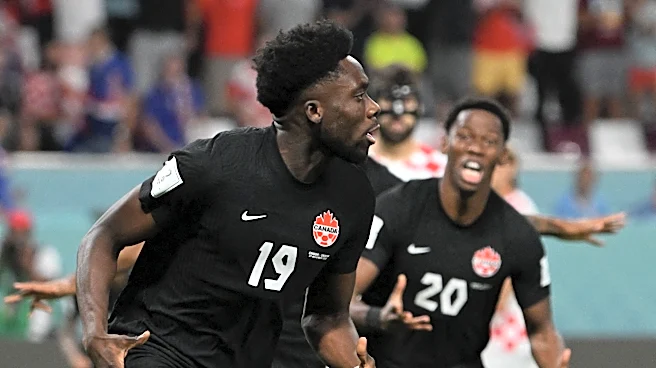
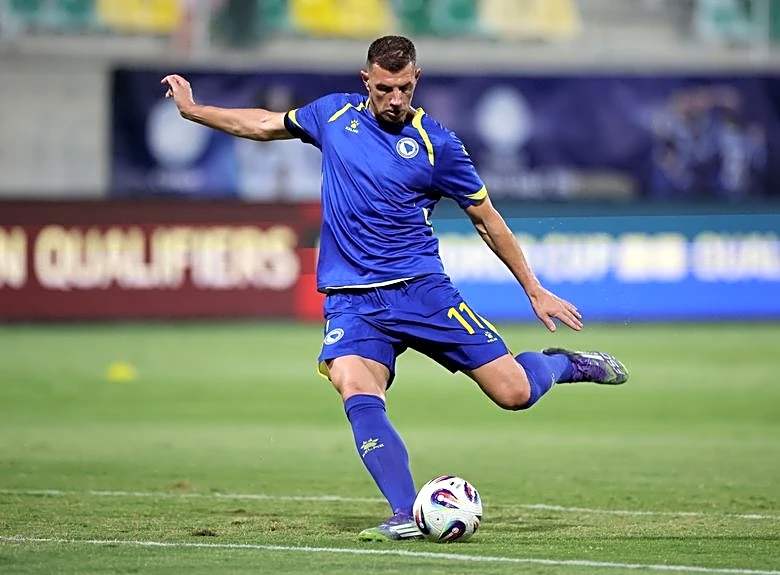
In North America, they will face Canada, Switzerland and Bosnia & Herzegovina in Group B.
Preparations, however, have been mixed.
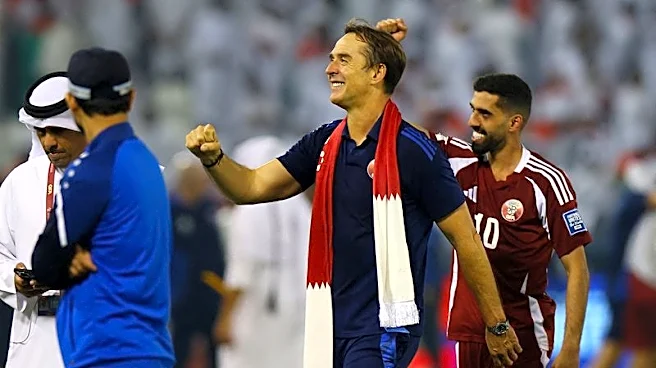
Qatar suffered a surprise group-stage exit at the Arab Cup on home soil in December, while planned friendlies against Serbia and world champions Argentina in March were cancelled because of the war on Iran, denying coach Julen Lopetegui a chance to test his side against top-level opposition.
Qatar's squad remains built around a domestically developed core shaped through the Aspire Academy system that underpinned their rise over the past decade.
Many of the squad have progressed through the same development pathway, giving Qatar continuity and cohesion, though questions remain over whether a group drawn largely from the domestic league has the depth and experience required to compete consistently with elite opposition.
Veteran Hassan Al Haydos, Qatar's most-capped player and a central figure in both of their Asian Cup triumphs, came out of international retirement at Lopetegui's request and was in the preliminary World Cup squad, adding leadership and experience.
Much will again depend on the long-established partnership of Akram Afif and Almoez Ali. Afif, the creative force and Asian Player of the Year in 2024, remains Qatar's main source of invention and goals, while Ali — the country's all-time top scorer — continues to offer a cutting edge in major tournaments.
Qatar no longer carry the scrutiny that surrounded the 2022 finals, and the pressure may be lower than it was on home soil, but a favourable group and back-to-back Asian Cup titles have raised fresh expectations that they can translate their continental success to the global stage.
(Reporting by Hatem Maher; Editing by Ken Ferris)