








By Janina Nuno Rios
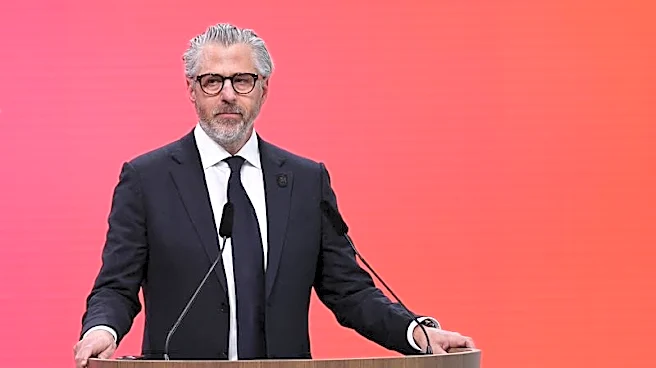
April 15 (Reuters) - The U.S. Olympic and Paralympic Committee (USOPC) said on Wednesday it was closely monitoring the impact of increased scrutiny surrounding Los Angeles 2028 chair Casey Wasserman, marking a more measured stance after organizers publicly backed him earlier this year.
The comments follow the release of U.S. Justice Department files in January related to Jeffrey Epstein that included references to Wasserman.
"We've actively engaged and listened to our stakeholders,
including athletes, and we're closely monitoring the impact on our community," USOPC chair Gene Sykes told reporters on a conference call. "We've also shared our concerns directly with the LA28 board, which is responsible for determining who serves as its chair."
LA28 CEO Reynold Hoover said in February that he supported Wasserman and that sponsors had not raised concerns, adding at the time that there had been no disruption to operations.
Sykes said LA28’s leadership continued to make "very solid" progress in planning and partnerships, with strong support from commercial and public stakeholders.
STRONG DEMAND
USOPC leaders pointed to strong demand for the 2028 Games following last week's opening of global ticket sales.
Ticket sales opened worldwide after a record-setting local presale, though some fans reported high costs, service charges and limited availability.
Sykes said organizers had made efforts to offer a range of price points, including more than one million low-cost tickets.
"There was a registration process over a month. They had a tremendous number of registrations... and they've been selling tickets at a remarkable rate," he said.
"There are clearly some tickets which are high-priced, but they've made a great effort to have low-price tickets. They’ll have a million tickets priced at $28... so I know they’re thinking very seriously about how to manage the ticket activity so that it satisfies everybody."
Sykes also addressed criticism over a 24% service fee attached to ticket purchases, describing it as standard practice, and said that organizers were aware of the backlash and had discussed the issue in detail.
"They are not only aware of the issue, but they had given us a lot to think about," he said.
(Reporting by Janina Nuno Rios in Mexico City; Editing by Lincoln Feast.)