



By Martyn Herman
MONACO, June 5 (Reuters) - Audi has signalled that potential new Formula One engine regulations, including a return to V8 power units, would not derail its involvement in the sport, although the German manufacturer says retaining turbos remains its priority.
Formula One's governing FIA is pushing for simpler and cheaper engines under rules expected for 2030 or 2031, with president Mohammed Ben Sulayem advocating a return to normally aspirated V8 engines running on sustainable fuels.
Audi Chief Executive Gernot Doellner said the number of cylinders was not the key issue for the company, indicating it could accept V8 engines provided the broader regulations align with its priorities.
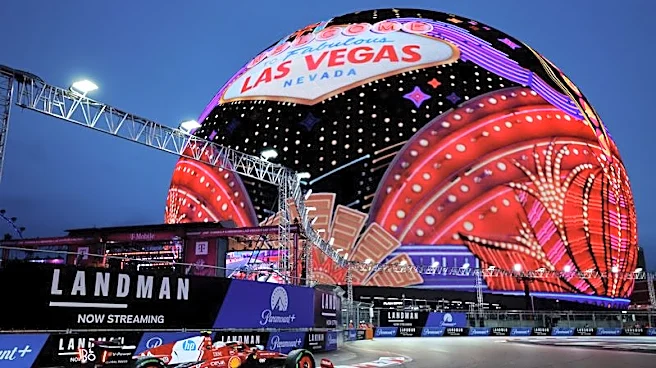
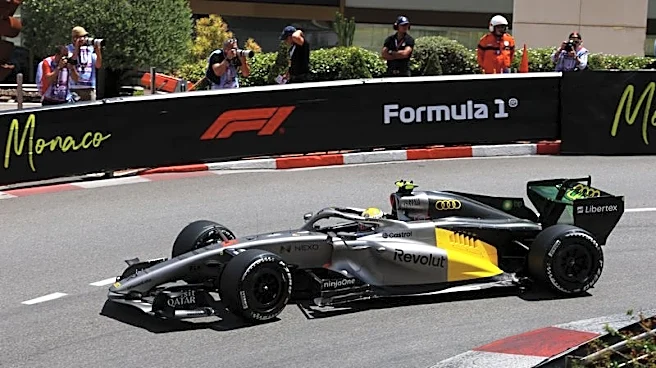
"No, not right now," Doellner told reporters at the Monaco Grand Prix when asked if the plans could be a deal-breaker for Audi, which entered Formula One this season as a full factory team and power unit supplier after acquiring and rebranding the existing Sauber outfit.
"I believe and trust that we will have a good discussion regarding the regulations and we will definitely have sustainable fuels ... it's more in some areas a philosophical question."
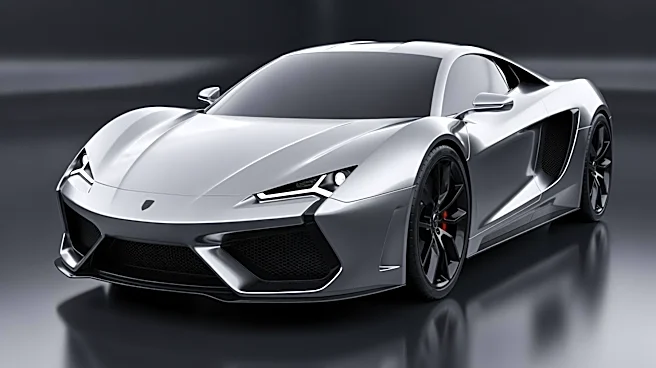
Doellner, talking the day after Audi unveiled the Nuvolari, the company's first supercar featuring a high-performance hybrid powertrain, made it clear, however, that it favours turbocharged engines, citing efficiency and sustainability as central to its long-term strategy.
"That's definitely more important than talking about the number of cylinders," he said. "We prefer turbo due to the efficiency aspect. The Nuvolari has a V8. Audi has no problem with V8s."
The FIA believes V8 engines would reduce costs and complexity while restoring the louder sound traditionally associated with Formula One.
Doellner said that while Audi does not have a problem with V8 engines, the company's focus was on helping shape regulations that maintain energy efficiency and cost control, while allowing manufacturers to optimise their power units.
"Our focus is on the actual regulation and to optimise that, to optimise our drivetrain to the regulation we have," he said.
"Of course we just entered, we invested in a drivetrain concept, and so we are not keen on changing soon. We are happy with stability.
"The process is running. It's in good hands and we are part of that process together with the other engine manufacturers. FIA is leading the process and I'm very optimistic that the outcome will be a good one."
Formula One currently uses V6 turbo hybrid power units with a 50-50 split between internal combustion and electric.
However, growing concerns over cost and complexity have driven momentum for a change to a 40-60 split for next season and possible return to traditional V8 engines last seen in 2013.
(Reporting by Martyn Herman; Editing by Ken Ferris)