



By Sam Tobin
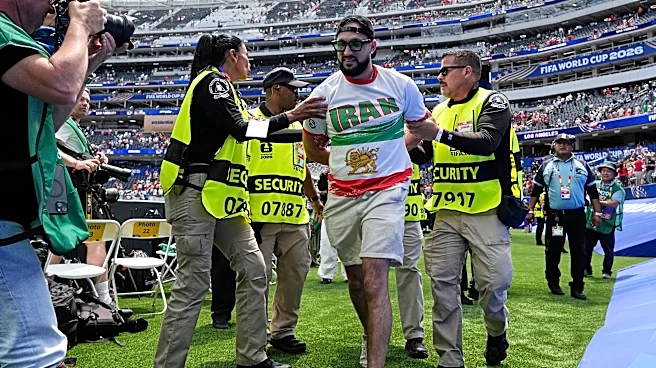
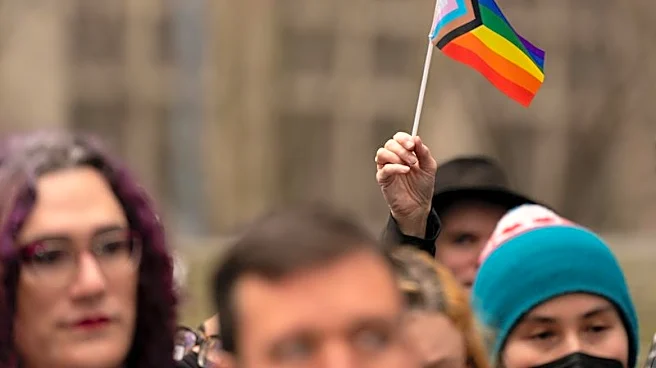
SEATTLE, June 24 (Reuters) - Seattle's LGBTQ community members say they hope that this Friday's World Cup "Pride Match" between Egypt and Iran, two countries where homosexuality is criminalised, can be an opportunity to change minds.
Seattle revels in its reputation as a welcoming place and Pride flags are visible all over the city, all year round. Its June Pride weekend is one of the biggest in the United States.
So, ahead of December's World Cup draw, it was only natural that local organisers
designated the June 26 match to be held in the city as a "Pride Match."
Then the draw happened — and the two teams scheduled to play the game were Egypt and Iran.
Egypt's Football Association urged global soccer governing body FIFA to prevent any Pride-related activities, arguing such events clashed with the Muslim-majority country's cultural and religious values. The governing body in Iran, where same-sex relations can carry the death penalty, filed an objection with FIFA.
But in Seattle, there is no question that the Pride Match will go ahead as planned.
"The World Cup is going to come and go in three weeks," Hedda McLendon, from Seattle's local World Cup organizing committee, told Reuters. "The Pride celebration ... has happened on this weekend for 50-plus years.
"It is going to happen this weekend, it is going to happen long after the World Cup."
Some in the city's LGBTQ community had mixed feelings given the participants, said Jon Cairns, 49, manager of local LGBTQ+ club Kremwerk.
Cairns, however, said his own view was that it provided a platform to promote acceptance that only the world's biggest sporting event could offer.
"My reaction is let's have them," he told Reuters. "International sports is one of the biggest brokers historically of social change and individual rights and freedoms worldwide, including in the U.S."
He cited Black U.S. sprinter Jesse Owens' four gold medals at the 1936 Olympic Games in Nazi Germany and Tommie Smith and John Carlos' raised-fist protest in 1968 as moments where "only international sports could reach that big of an audience."
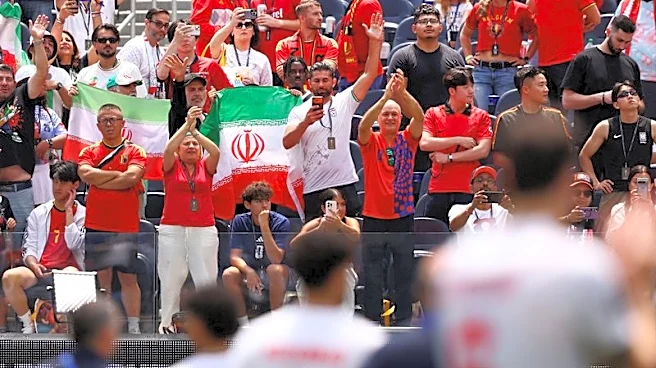
"They're not going to turn off the World Cup on state television in Iran or Egypt to block out a Pride flag in the audience," Cairns said.
The Pride Match is "a host city initiative" and separate of FIFA, a spokesperson for soccer's governing body told Reuters.
SEATTLE'S LGBTQ COMMUNITY SEES OPPORTUNITY
Egypt and Iran's involvement in the Pride Match is not the first time the World Cup has grappled with stark differences in attitudes between hosts and visitors.
In 2022 World Cup host Qatar, the emir said visitors should "respect our culture" when asked about gay people attending the tournament.
FIFA threatened yellow cards for captains wearing the "OneLove" armband, citing its rules against political slogans. Teams including England and the Netherlands that had been planning to wear the armbands to protest Qatar's laws against same-sex relationships abandoned the plan.
For Ryan Webster, a 40-year-old lifestyle manager who was at Kremwerk the weekend before Pride, Seattle's "Pride Match" was an opportunity to show solidarity with people in countries where their sexuality was outlawed.
"I'm choosing to believe that this is our moment to allow the members of the LGBTQ community that come from those countries to have the opportunity to celebrate themselves in totality that they might not have otherwise," he said outside the club, which will host a watch party for Friday's game.
Inside, 'Venus Fengz' lip-synced to Cher's "Believe" before introducing fellow drag performers to the stage, clapped and cheered by a raucous crowd.
Fengz, who only wanted to provide their stage name, said Pride coinciding with the World Cup would bring increased visibility, anticipating perhaps some new audience members.
"I think it's always great for us to be able to share space and share places with people who don't have the same experiences as us," they told Reuters.
"Sometimes you just have to be the bigger person and show grace where you can and know that everyone is a human learning (from) different experiences, but also it can get hard — because you're on the shorter end of the stick, always trying to have to explain yourself around people who don't grow up with the same worldview."
(Reporting by Sam Tobin, Editing by Rosalba O'Brien)