

By Frank Pingue
SAN FRANCISCO, Feb 6 (Reuters) - The day after the Super Bowl has earned a notorious nickname among American workers: Super Sick Monday. And this year's edition promises to be a record-breaker for all the wrong reasons from an employer's perspective.
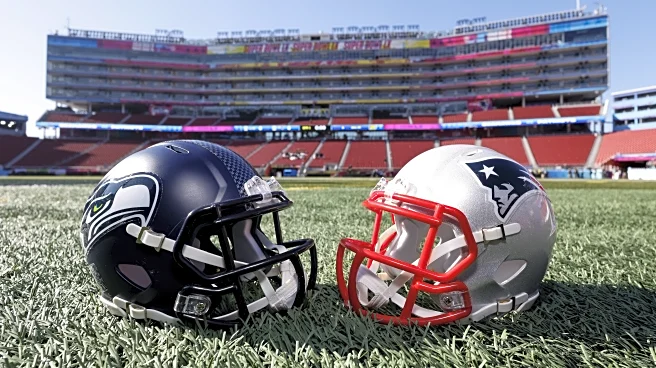
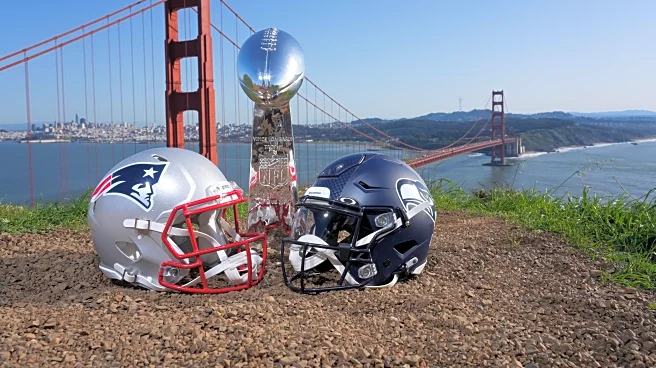
According to UKG's annual Super Bowl Absenteeism Survey, an estimated 26.2 million U.S. employees will miss work the day after the New England Patriots face the Seattle Seahawks in Santa Clara, California, on Sunday.
That figure surpasses
2025's record-setting 22.6 million employees who called in with a case of the Super Bowl "flu."
The mass exodus from cubicles and conference rooms could cost upwards of $5.2 billion in lost work and productivity, UKG said.
But the workplace disruption doesn't end with outright absences – about 4.9 million workers plan to stroll into work late without giving their managers advance notice.
"We are not advocating for it to be a holiday but a lot of people treat it as such," Julie Develin, Senior Partner, Human Insights at UKG, a leading global AI platform for HR, pay, and workforce management, told Reuters.
"Since it's on a Sunday, and a lot of people who do work are traditional Monday through Friday, they are likely not going to be showing up to work."
Develin suggested employers might want to embrace the inevitable rather than fight it.
"From a productivity perspective I think it's a great moment for employers to understand work is human and perhaps we give a little bit more leniency to those employees who are really into the Super Bowl, especially those folks in Seattle and New England," she said.
The poll was conducted online within the United States by The Harris Poll on behalf of UKG from January 15-20, among 1,288 adults aged 18 and older.
Research from HR and finance software company Workday showed 48% of workers are likely to reduce work or avoid their jobs entirely the day after this year's Super Bowl - citing sleep deprivation, low motivation, and hangovers. The research was based on 1,010 employed American adults ages 18-64.
Last year's game between the Philadelphia Eagles and Kansas City Chiefs was watched by a record audience of 127.7 million U.S. viewers across TV and streaming platforms.
(Reporting by Frank Pingue in San Francisco; Editing by Stephen Coates)