
The spectacular collapse of the Lucknow Super Giants (LSG) in the IPL 2026 playoff race was a textbook case of how auction hype can fail to translate into on-field execution. Statistically, LSG became one of the first teams eliminated, slipping into a devastating five-match losing streak in the second half of the tournament.
Here's deep, forensic look at numbers and tactical missteps that show exactly how their season fell apart:
-
Price-Tag Curse:
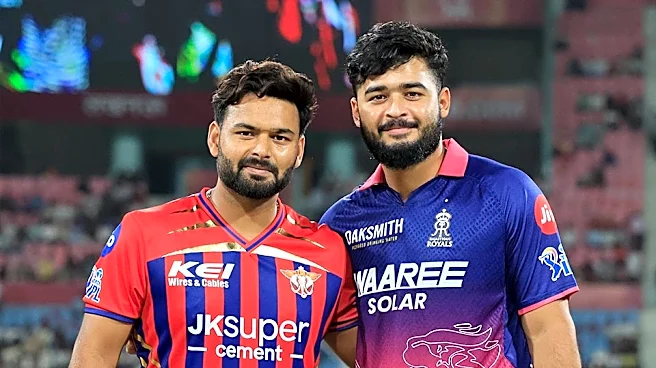
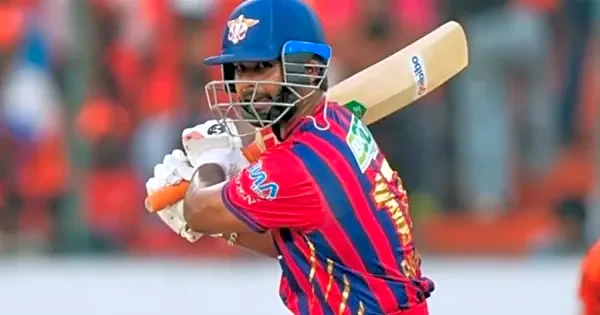
LSG spent almost half of their entire purse on just two players, completely crippling their ability to build a deep, versatile squad. The returns on these marquee investments were catastrophic. Rishabh Pant was trapped between wanting to play his natural, explosive game and needing to rescue a fragile batting order. This pressure resulted in sluggish, uncharacteristic knocks, like his 38-ball 42 against Kolkata Knight Riders
which sucked all momentum out of the middle overs. Nicholas Pooran's strike rate of 81.19 during the critical middle phase of the tournament meant that LSG consistently wasted the death overs. Aside from a late, isolated 21-ball 63 against Mumbai Indians, his season was an agonizing string of single-digit scores.
2. Radical tactical shuffling and coaching misalignment:
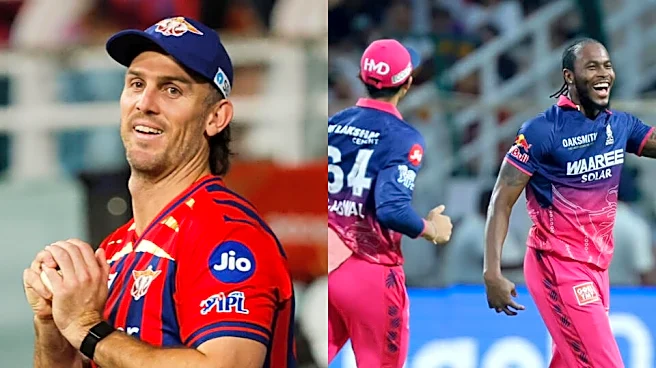
The leadership team, consisting of Director of Cricket Tom Moody, Justin Langer and Kane Williamson, panicked early and began over-correcting, which completely destroyed the players' confidence. Rather than providing a steady anchor, Pant floated across three entirely distinct batting roles. He opened in the first match, dropped to number 3 to satisfy personal tactical preferences, and was eventually pushed down to number 4. This chaos filtered down to international stars like Aiden Markram and Josh Inglis, who never knew their roles from one match to the next. Indian youngsters like Ayush Badoni were pushed into sudden, high-pressure pinch-hitting roles. Meanwhile, proven T20 spinners like Shahbaz Ahmed were regularly benched. This left the bowling unit without any intermediate control, relying entirely on isolated bursts from Mitchell Marsh or Prince Yadav. When premier overseas spinner Wanindu Hasaranga was ruled out, the management completely failed to acquire a strategic replacement. Tom Moody later admitted that losing Hasaranga's elite economy rate (7.00 in T20s) exposed a weak, expensive domestic bowling core that was routinely targeted by opposition finishers.
Major reasons why Lucknow Super Giants are struggling 1️⃣ Lack of batting depth in the bench, Pooran, Markram, and Marsh are not delivering, and there’s no explosive backup batter to replace them. 2️⃣ No role clarity for Abdul Samad 🤔 He looks more suited to the No. 3 position… pic.twitter.com/sHb83N6zLu
— Bijendra B Rajput (@brajput868) April 27, 2026
3. Total abandonment of "Ekana Fortress”:
Historically, successful IPL teams qualify by winning at least five of their seven home matches. LSG completely flipped this script at the Ekana Cricket Stadium. While the rest of the league effortlessly smashed 200+ scores on flat away surfaces, LSG managed the feat only three times in their first eleven games. Back home on the slower Ekana tracks, they were painfully exposed. They collapsed for a miserable 141 against Delhi Capitals and failed to chase down highly manageable, low-scoring totals against Rajasthan Royals (119) and KKR (155). When the Ekana pitch eased up for night matches, LSG's bowling attack completely fell apart due to a lack of tactical variation. Even when their batting managed to click, such as posting a massive 228 runs against the Mumbai Indians, their death bowling was so predictable and expensive that opposition batters chased it down with multiple balls to spare.