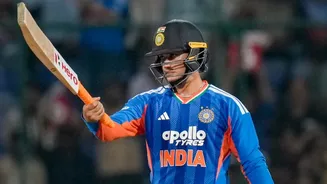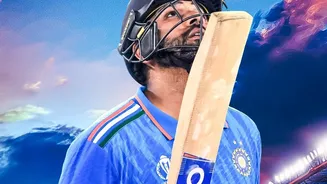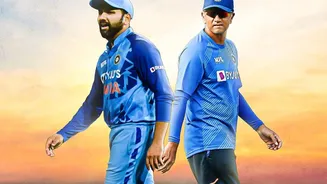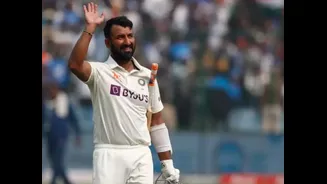




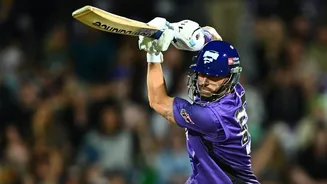
There was a time when playing for the national team was the goal for almost every professional cricketer. Franchise cricket has changed that equation. T20 leagues now offer players financial security,
regular exposure to some of the best cricketers in the world and opportunities that international cricket cannot always provide. The growth of competitions across countries has made the cricket calendar bigger but it has also created a problem that is becoming harder for the sport to ignore: there are only so many weeks in a year.
The ICC acknowledged the issue in June, announcing that it would form a committee to examine the growing reach of franchise cricket and how it can be better aligned with the international calendar. That decision came after years of concerns about clashes between leagues and international commitments.
Franchise Cricket Has Become Part of the Mainstream
For players, the attraction is obvious as Franchise cricket can provide substantial financial rewards, while also allowing them to specialise in the shortest format. It has also become an important development pathway. A young player can play alongside international stars, work with experienced coaches from different countries and learn how to handle pressure in packed stadiums. The rise of leagues such as the IPL, Big Bash League, SA20, ILT20 and Major League Cricket has expanded the professional T20 ecosystem considerably.
That growth is not necessarily bad for international cricket. In several countries, franchise leagues have helped raise the profile of the sport and created new audiences. Nepal’s T20 Premier League has become an important source of revenue as the country attempts to build a stronger cricketing structure.
When National Duty Has to Compete With Franchise Opportunities
New Zealand all-rounder Mitchell Santner provided a recent example of the dilemma regarding franchise and international cricket. He turned down a lucrative Big Bash League offer so he could focus on New Zealand’s international schedule, including major series and preparation for upcoming T20 World Cups. Other New Zealand players such as Finn Allen have taken different approaches, using casual contracts to give themselves greater flexibility between international and franchise cricket.
International cricket still carries something franchise cricket cannot completely provide the players which is passion towards a team. A Test series, a World Cup or a major bilateral contest is tied to national identity and history in a way that a franchise season cannot be. The simple reason is the same players will be playing for multiple different franchises across the world and it is tough to build an emotion.
If international cricket continues adding fixtures while franchise competitions keep expanding, something eventually has to happen whether that means fewer bilateral matches, more carefully protected international windows, or greater control over player workloads. The fact that the ICC is now formally examining the issue shows that the balance has already become difficult to maintain. Franchise cricket is no longer at the edge of the international game but it is sitting right in a cricket’s professional structure. The question will be how the sport can make sure the two can continue to grow without one gradually squeezing the other out.