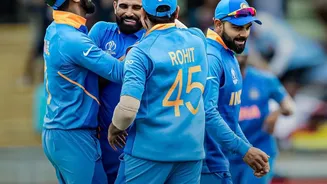




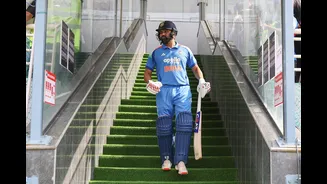
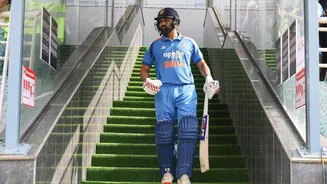
Rohit Sharma’s ODI career has entered a different phase recently. The explosive opener who once had the luxury of batting deep into an innings and building towards another huge score is now playing with
a greater sense of urgency. There is less emphasis on conserving energy for the second half and more on making an impact before the opposition can settle. That change was on full display in the second ODI against West Indies recently.
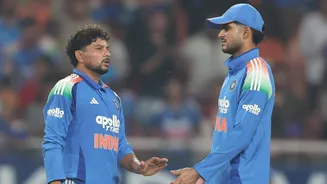
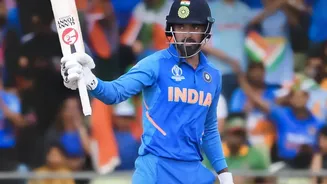
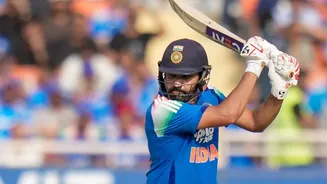
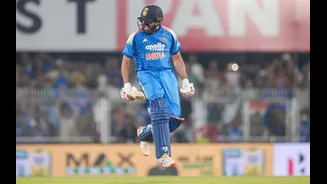
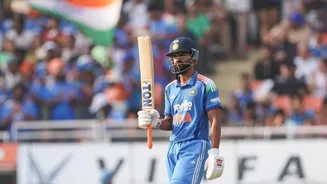
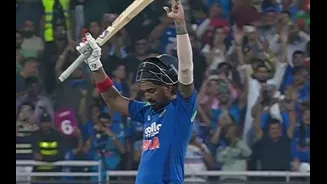
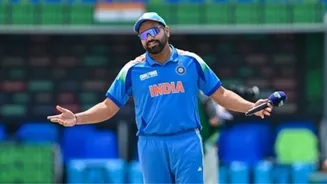
Chasing 406 against West Indies, Rohit walked out with Shubman Gill and attacked from the beginning. He smashed 101 from just 75 balls, striking 10 fours and four sixes, as India’s openers put together a record 255-run partnership. India eventually completed the second-highest successful chase in ODI history, reaching the target in only 43.3 overs. For Rohit, it was his 35th ODI hundred and another reminder that his role in the format has evolved.
From accumulation to acceleration
The most noticeable part of Rohit’s modern ODI game is how quickly he looks to take control. His ability to clear the boundary has always been one of his defining qualities, but his approach in recent years has become increasingly aggressive from the opening overs. That change in intent was particularly visible during India’s 2023 World Cup campaign, when Rohit regularly looked to attack the new ball and give India a flying start. Even when he did not make a century, the intent often allowed the batters coming behind him to play with greater freedom.
THE CENTURY CELEBRATION DANCE BY ROHIT SHARMA. 😍❤️ https://t.co/KfVdTQlg4Z
— Mufaddal Vohra (@mufaddal_vohra) September 30, 2026
That remains important now, perhaps even more so. At 39, Rohit no longer needs to prove that he can bat for 40 or 45 overs. Instead, his value lies in giving India a rapid start before handing the innings over to the likes of Gill, Virat Kohli and the middle order. His numbers still show his extraordinary consistency. In September 2026, Rohit became only the seventh batter in men’s ODI history to reach 12,000 runs. He is also the only batter to have three ODI double-centuries, while his unbeaten 264 against Sri Lanka remains the highest individual score in the format.
Read More: Why was Ravindra Jadeja absent from the India lineup against West Indies? – Shubman Gill clarifies
Experience without slowing down
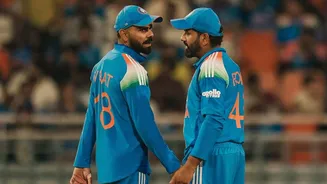
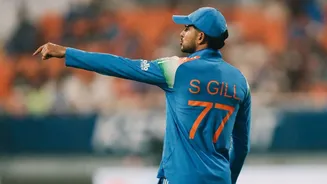
There is another change in Rohit’s game that he appears increasingly comfortable with his role as an experienced senior batter rather than the central figure around whom the entire innings must revolve. Shubman Gill is now India’s ODI captain and has emerged as one of the team’s principal batters. That allows Rohit to focus on what he does best, which is to attack the powerplay, putting pressure on bowlers and making the most of his time at the crease.
His 101 in Guwahati was a perfect example where he did not need a 150-ball marathon but just needed 75 balls to change the game. Rohit has also made it clear that he still has the 2027 World Cup in his sights. After reaching 12,000 ODI runs, he said he was looking forward to the challenge of another World Cup and the different opponents and venues it would bring.