



India’s NatWest Trophy final against England at Lord’s on July 13, 2002, was one of those games that will be remembered because they changed the way a generation looked at a team. England had posted a formidable
325/5 in their 50 overs with centuries from Marcus Trescothick and Nasser Hussain. India needed 326 to win, a target that looked enormous at the home of cricket. Almost four hours later, India had done the impossible. They reached 326/8 with three balls remaining, winning by two wickets. Mohammad Kaif, just 21 at the time, remained unbeaten on 87 from 75 balls. Along with him, another youngster Yuvraj Singh, had scored 69 from 63.
England make 325 but India script a record run-chase
England’s innings was built around a magnificent opening partnership. After Nick Knight fell early, Trescothick and Hussain took control. The left hander scored 109 from 100 balls, while Hussain made 115 from 128. Their second-wicket partnership produced 185 runs and put England firmly in control. Andrew Flintoff then added 40 off just 32 balls, helping England cross the 300 mark. At 325/5 at the end of the innings they had every reason to feel that they had done enough.
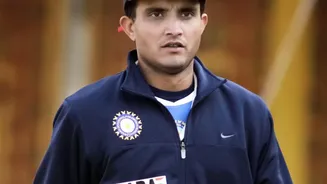
India’s reply began in a completely different fashion. Sourav Ganguly and Virender Sehwag attacked from the outset putting on 106 runs for the opening wicket. Ganguly made 60, while Sehwag scored 45, and India’s chase initially looked under control.
Then came the collapse. India slipped from 106/0 to 146/5. Sachin Tendulkar, Rahul Dravid and the other senior batters were gone and England suddenly had the momentum. At 146/5, a chase of 326 looked almost impossible. That was when two of India’s youngest players took responsibility.
Happy Birthday Muhammad Kaif@MohammadKaif gave India astonishing, victory against 🏴 in final of the NatWest Series in Lords 2002.
🇮🇳 at 146 for 5 chasing 326 for victory but then @YUVSTRONG12 Kaif Show added 121 before Kaif sealed a two wicket win.pic.twitter.com/OeRhxme52b— Zohaib (Cricket King)🇵🇰🏏 (@Zohaib1981) December 1, 2023
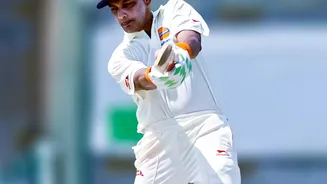
Yuvraj and Kaif did not try to manufacture a miracle in a hurry. They simply kept batting and put on a partnership. The left hander attacked the bowlers, while Kaif provided the stability India desperately needed. Their partnership brought India back into the contest. The left hander eventually fell for 69, but by then India were back in good position. Kaif stayed there, refusing to let the chase slip away again.
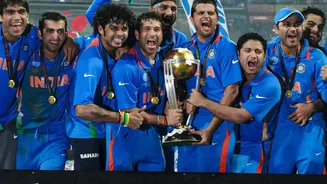
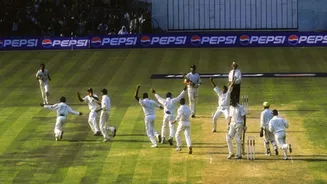
With wickets falling around him, the youngster carried on. India entered the final over needing only two runs. Zaheer Khan was at the other end, but it was Kaif who faced the decisive delivery from Darren Gough. An outside edge flew away towards third man for four and India chased down the target of 326 as Lord’s erupted.
A celebration that meant more than a trophy
Kaif finished unbeaten on 87 from 75 balls, an innings that included eight fours and two sixes. Yuvraj’s 69 had provided the crucial support, while Ganguly’s 60 had given India its explosive start. Kaif was named Player of the Match. Yet the moment most people remember came after the final run.
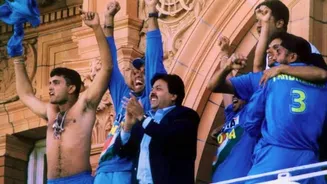
On the Lord’s balcony, Ganguly removed his shirt and waved it above his head. It was one of the most iconic celebrations in Indian cricket history. There was a reason behind it. Earlier that year, England’s Andrew Flintoff had famously celebrated an ODI victory in Mumbai by removing his shirt. The Indian captain’s response at Lord’s became a symbolic answer but it also perfectly captured the personality of India’s captain.