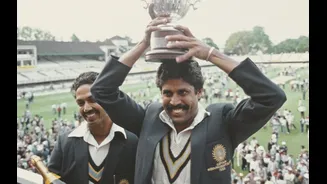


Just over a year after lifting the World Cup at Lord’s, Kapil Dev removed India’s captain and it was a surprising turn of events. The all-rounder had taken over the leadership before the 1983 World Cup and had gone
on to deliver one of the biggest upsets in cricket history. His 175* against Zimbabwe became one of the defining innings of that campaign, before India beat the West Indies in the final. But winning the World Cup did not suddenly make India a dominant Test team as the results began to go against the former Indian captain.
India’s Test cricket remained a struggle and during the series against the West Indies during the 1983-84 season it was particularly difficult. The West Indies, who were packed with world-class players, won the series 3-0. India suffered heavy defeats, including an innings-and-83-run loss in Kanpur and an innings-and-46-run defeat at Eden Gardens.
Kapil was also still relatively new to captaincy and his attacking style was very different from the more cautious approach associated with Sunil Gavaskar who was India’s former captain and one of the most senior figures in the dressing room. By 1984, questions about the team’s direction were becoming harder to ignore and he was removed from the role.
Sunil Gavaskar returned to the captaincy
The selectors eventually decided to make a change and brought Gavaskar back as captain. The decision was not simply about Kapil’s performances as a cricketer as he remained India’s most important all-rounder but captaincy was being judged separately, and the selectors had begun looking for a different approach after India’s disappointing run of results.
The change also came at a time when tensions between Kapil and Gavaskar were increasingly discussed around the team. As per reports, there was growing tensions between the two and although the exact extent of their disagreement has been debated over the years. Kapil’s removal was less about the World Cup victory losing its value and more about what happened after it.
The captaincy changed hands, but Kapil remained central as it did not push him out of the team. He remained one of India’s key players and continued to produce memorable performances. In fact, the captaincy would change hands again as he eventually returned to the role, showing just how unsettled India’s leadership situation had become during the mid-1980s.