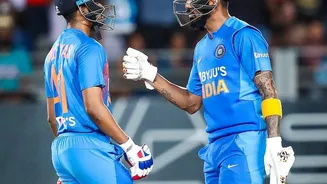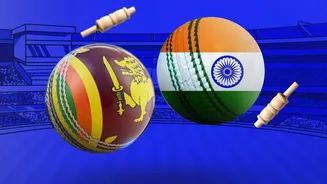







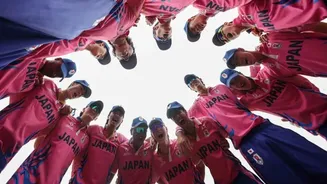

There must have surely been a big surprise to most cricket fans who watched the proceedings between Japan and India yesterday on September 22, as the two teams played a friendly T20 contest and for the first
time ever. The significance of the occasion was huge because it marked the 75 years of the warm and friendly ties between the two countries who enjoy cordial and close diplomatic relations.
And what could have been better than marking the occasion with a huge cricket contest, even though a friendly game.
But just imagine seeing a fun encounter turn thrilling and perhaps nearly ending with a shocker as from what one gathered in the game yesterday. The match, rain reduced and heavily impacted by weather, was reduced to a 5 an over side contest.
And in the end, must it be said that Japan did actually make a match of it.
View this post on Instagram
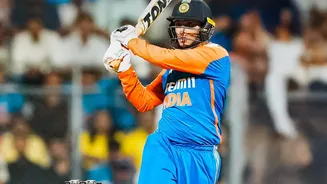
In the end, a Japanese batter attempting a reverse sweep off a wide finally became the much talked about matter and something that’s still being discussed as of now.
What was given a wide was then later overturned and resultantly, India narrowly emerged with a win.
Also Read | Ex-CSK Star Vansh Bedi Responds To Allegations As IPL Fixing Row Grips Indian Cricket: “Will Take Criminal Action”
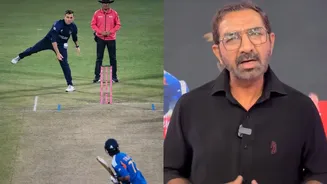
But offering clarity and removing confusion on the much-talked-about matter was noted Indian umpire Shri Anil Chaudhary, who explained the matter with clarity.
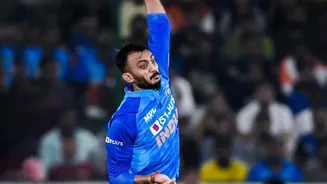
He explained that what gave rise to the debate was when Axar Patel delivered a wide to which the Japanese batter attempted a switch hit.
During commentary of that game, the umpire shared, it was being said that the bowl should not have been considered a wide since the batter had already offered a switch hit.
But he also importantly highlighted the very key fact that whether you aim at, pose for or attempt to play – whether a reverse sweep or a switch hit- in both cases, the side automatically becomes the off side from the purpose of a wide!
However, leg before rule remains the same.
Which is when he argued that it was not a wide delivery, and therefore was a fair delivery in the end.