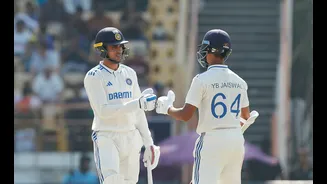

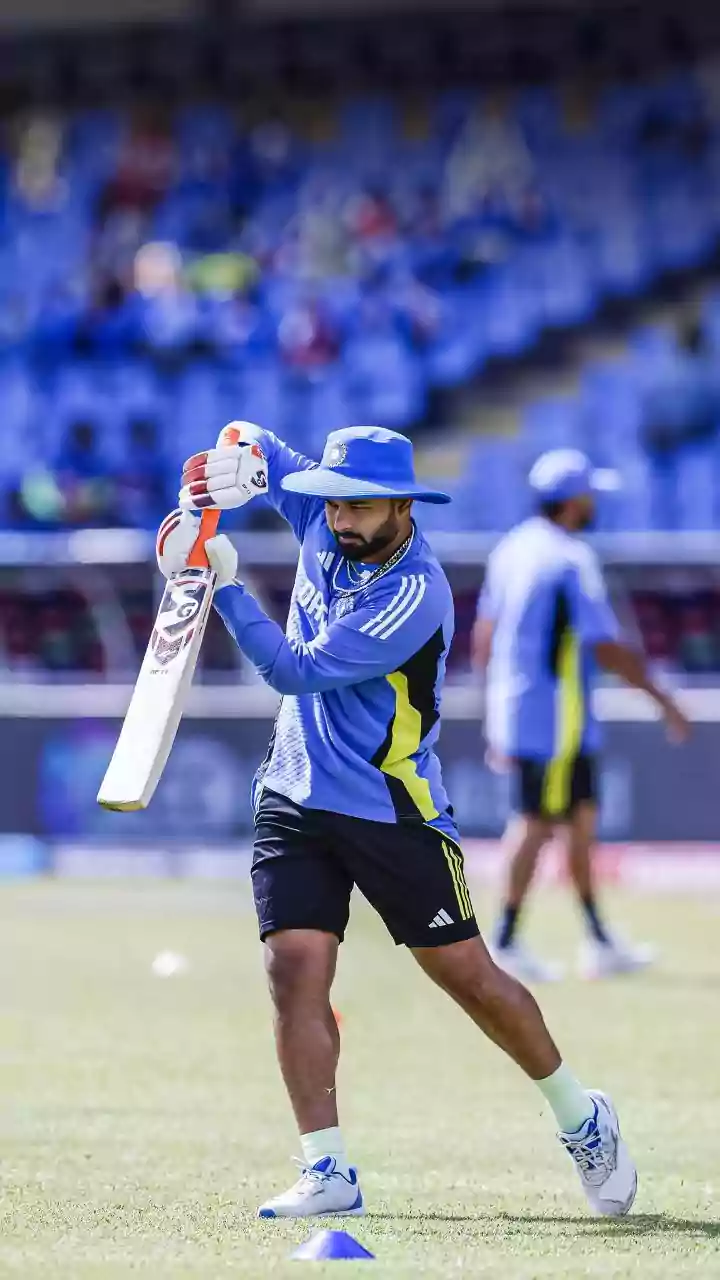

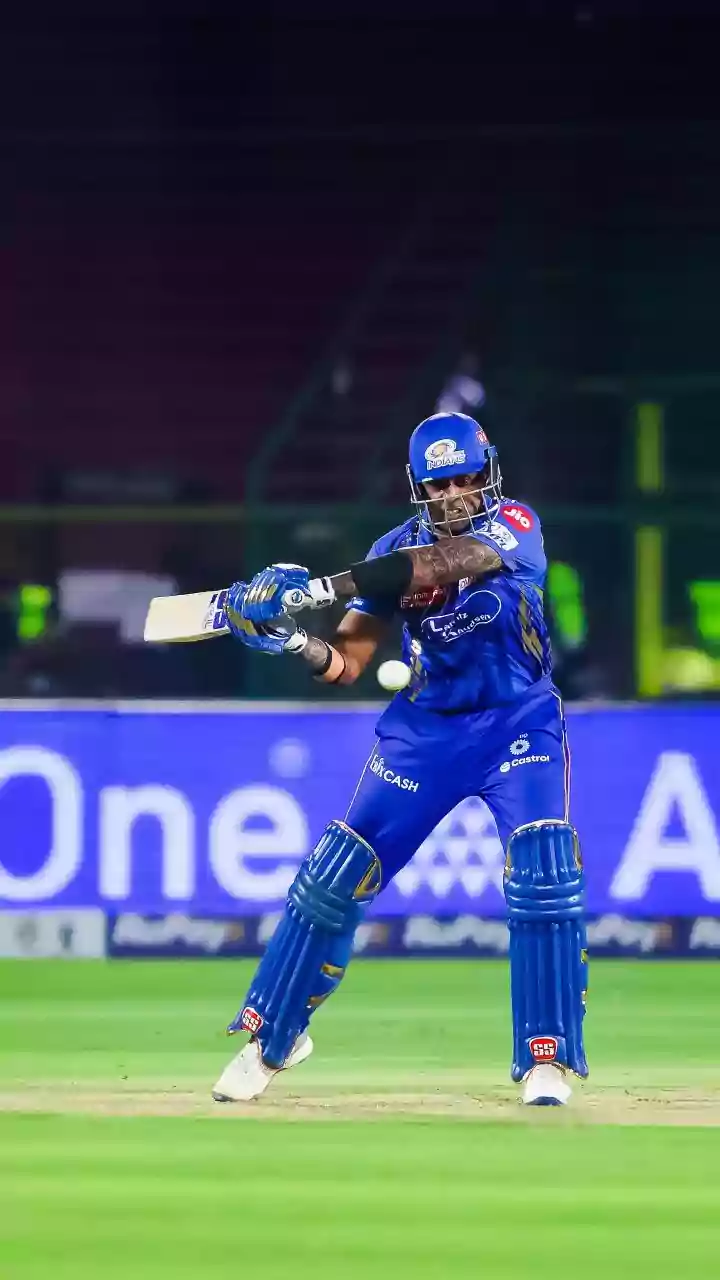

India do not have an immediate shortage of Test batters at this moment. Shubman Gill is the captain, Yashasvi Jaiswal remains one of the country’s most important young players, KL Rahul brings experience
and Rishabh Pant is back as the wicketkeeper-batter. The more interesting question is what comes after this group. There are several batters pushing for a place around that group, and the recent Duleep Trophy gave the selectors plenty to think about. Ishan Kishan and Tilak Varma were the two biggest names to emerge from the tournament, but they are not the only ones in the conversation.
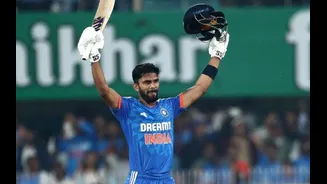
Ishan Kishan’s case is probably the easiest to make after what he did in Chennai. The East Zone captain scored 270 in the Duleep Trophy final against South Zone and followed it with 80 in the second innings. He finished the tournament with 409 runs in five innings at 102.25. For a player trying to get back into the Test picture, it was exactly the sort of performance that gets noticed.
Kishan has already played two Tests for India, both against West Indies in 2023, and his left-handed batting gives India something different. His wicketkeeping is another factor, although Pant remains firmly ahead in that department when fit. The bigger question is whether Kishan can turn this domestic form into a sustained red-ball run.
Tilak Varma’s Test case is becoming harder to ignore
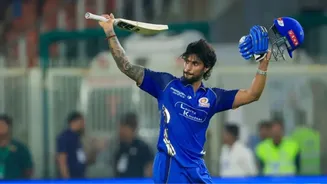
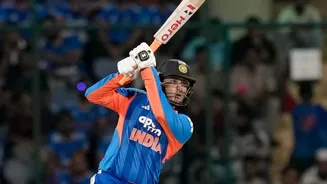
Tilak Varma’s Duleep Trophy campaign was different. He did not just pile up runs at a high strike rate but his 99 in the final was arguably more relevant to the Test discussion. He batted for 211 balls and spent a long time at the crease on a surface where South Zone struggled for runs. That innings came after an unbeaten 116 in the semi-final against North Zone, followed by another unbeaten 51 in the chase.
– Duleep Trophy ✅
– Player of the series ✅
– Hundred in Semi-final ✅
– 99 in Final ✅CAPTAIN TILAK VARMA FOR YOU – Great news for Indian Cricket. pic.twitter.com/Gqz3nj7cBU
— Johns. (@CricCrazyJohns) September 10, 2026
Across the tournament, Tilak scored 266 runs in three innings at an average of 266. The obvious thing is that India already knows what he can do in white-ball cricket. He has established himself in the T20I setup and is now trying to show that his batting has enough range for the longer format as well. At 23, he also has time on his side and can be the backbone of Indian batting for a long time.
Can Sai Sudharsan cement his place in the Indian side?
Then there is the left hander from Tamil Nadu who has already been part of the Indian setup in Sai Sudharsan. Unlike Kishan and Tilak, he has already been given a proper look in Test cricket. He was selected for India’s 2026 Test squad against Sri Lanka but was ruled out with a toe injury before the series, with Sarfaraz Khan coming in as his replacement.
His left-handed technique and first-class record have kept him firmly in the discussion. He is also younger than several of the players currently competing for middle-order places. Before getting injured ahead of the Sri Lankan series he was the Number 3 for India and now can he keep his spot with the side and when will he get the next chance remains to be seen.
Sarfaraz has already shown in domestic cricket that he can score heavily but his problem is less about whether he can make runs and more about finding a permanent place in an Indian batting order that is becoming increasingly crowded. Dhruv Jurel is another name who has earned his place in the side. His value is slightly different because he can cover both wicketkeeping and batting, something that becomes particularly useful when India are managing Pant’s workload.
Apart from this there are more players in the queue. Devdutt Padikkal was included in India’s Test squad for Sri Lanka and was the player of the series. Kumar Kushagra’s 224 runs in the Duleep Trophy showed that there is competition even among the younger wicketkeeper-batters.
That is perhaps the biggest positive for India that there isn’t one obvious replacement waiting for every senior player. There is a group of players fighting for different roles. Kishan has the recent red-ball numbers. Tilak has age, technique and an increasingly strong case across formats. Sudharsan has already been part of the Test XI. Sarfaraz has domestic runs behind him and Jurel offers flexibility.
But getting into India’s Test XI is one thing. Staying there is another. The next few domestic seasons will probably tell us more than one good Duleep Trophy can. India have a long Test cycle ahead and injuries, workload management and form will create opportunities. For now, Kishan and Tilak have done the most to force themselves into the conversation. Whether either of them can turn that conversation into a regular Test place is the next challenge.