

India have rarely lacked fast-bowling talent, but turning exciting prospects into dependable international performers has often proved a bigger challenge. Mayank Yadav and Prince Yadav offer two different
reasons for optimism, with one bringing express pace and the other showing the value of control and movement.
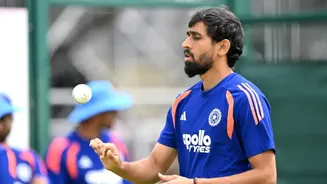
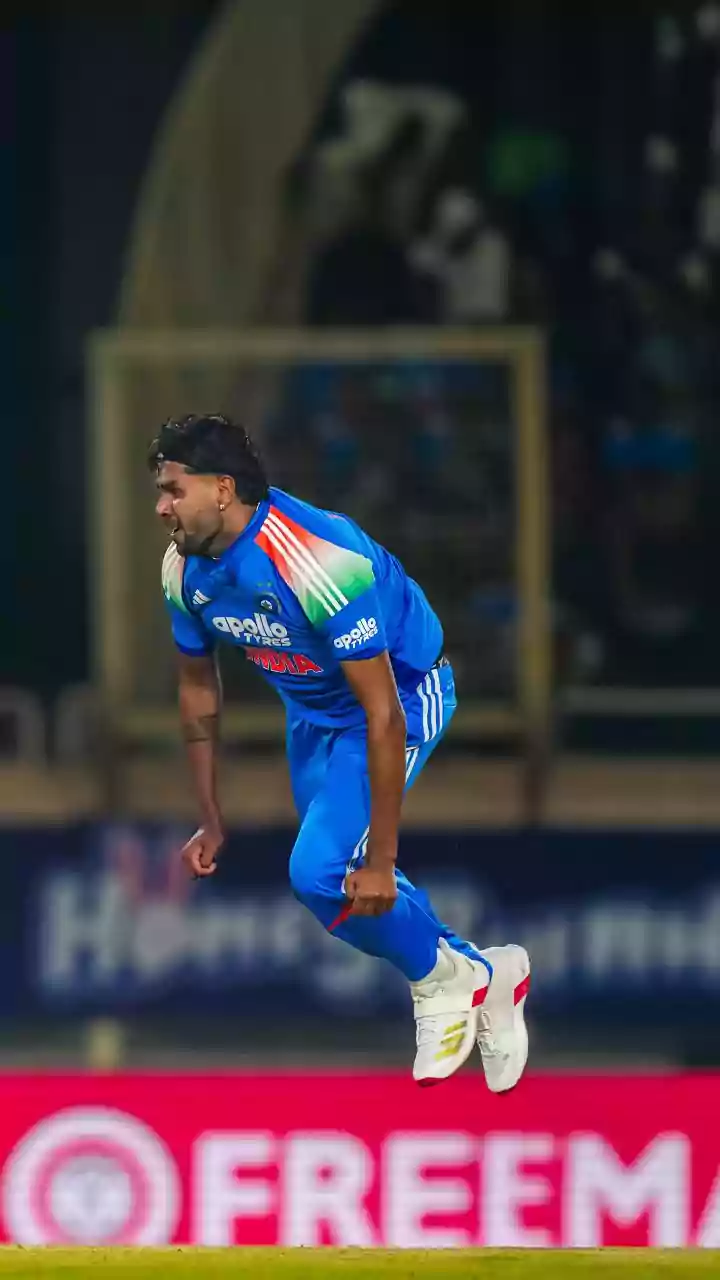
Mayank has already demonstrated what his speed can do at the highest level. The right arm pacer is capable of crossing 150 kmph and he returned to international cricket in 2026 after a lengthy injury lay-off. His comeback has not been without its challenges, but his recent performances against the West Indies have reminded India of the difference he can make when fully fit.
In the second T20I against the West Indies, Mayank picked up three wickets for 36 runs, making important inroads during the powerplay. His ability to hurry batters and generate uncomfortable bounce gives India a weapon that is difficult to replicate with conventional seam bowling.
However, pace alone will not determine how far he goes. Mayank’s injury history makes workload management particularly important, while consistency with line and length will be essential if he is to become a regular part of India’s plans. His challenge is to remain available long enough to build on his considerable potential.
Prince Yadav offers a different skill set. The right-arm pacer impressed for LSG in IPL 2026, taking 16 wickets in 10 matches during the league stage of the campaign. His ability to move the ball and trouble batters with changes in trajectory has helped him establish himself as another promising option.
From Exciting Prospects to Reliable Options
The two bowlers are still developing their international games, and their progress should not be judged solely by individual spells. International cricket demands more than raw pace or a few impressive performances. India also needs to ensure that promising fast bowlers are not rushed into heavy workloads before their bodies are ready. Mayank’s return after injury is a reminder of how quickly momentum can be interrupted, particularly for young pacers who rely on explosive speed.
With Jasprit Bumrah’s workload requiring careful management and experienced options such as Bhuvneshwar Kumar returning to the T20I setup, India have reasons to keep building depth rather than relying on a small group of established names. Mayank and Prince are not guaranteed to become long-term leaders of the attack. But they give India two different skill sets to develop. If they can combine fitness with greater consistency, the pair could help shape a more varied pace attack for the years ahead.