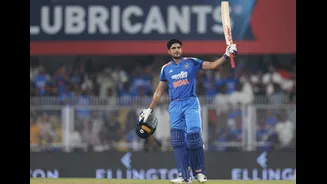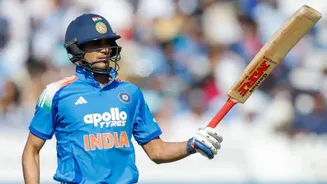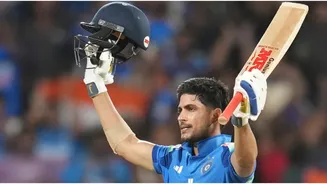




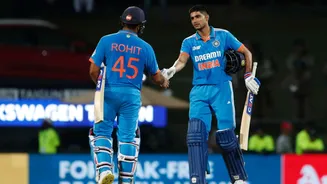
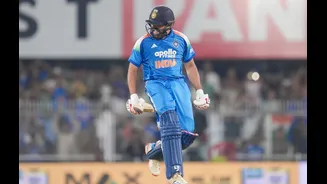
Shubman Gill’s numbers in ODI continue to rise, and have reached that point where his consistency is becoming difficult to ignore. In the recent-concluded game against the West Indies, the Indian skipper
hit his second double century, and is now the only second batter to have multiple double-tons in the format. But, what makes him so effective in the 50-over format? It is not just his scores, it is how he builds an innings.
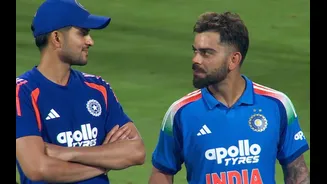
The batter, fondly called ‘Prince’, is seen as the next big thing in world cricket after Virat Kohli’s dominance, whom fans have given the tag of ‘King’. He is currently seeded atop the ICC Men’s ODI batting rankings and the way he batted in the last game, has only solidified his position. Before his unbeaten 223, Gill came up with a 110 in the series opener.
Shubman Gill’s Strength Lies in his Ability to Pace ODI Innings
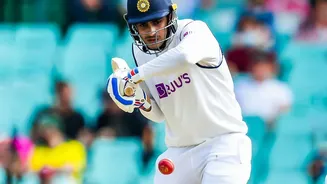
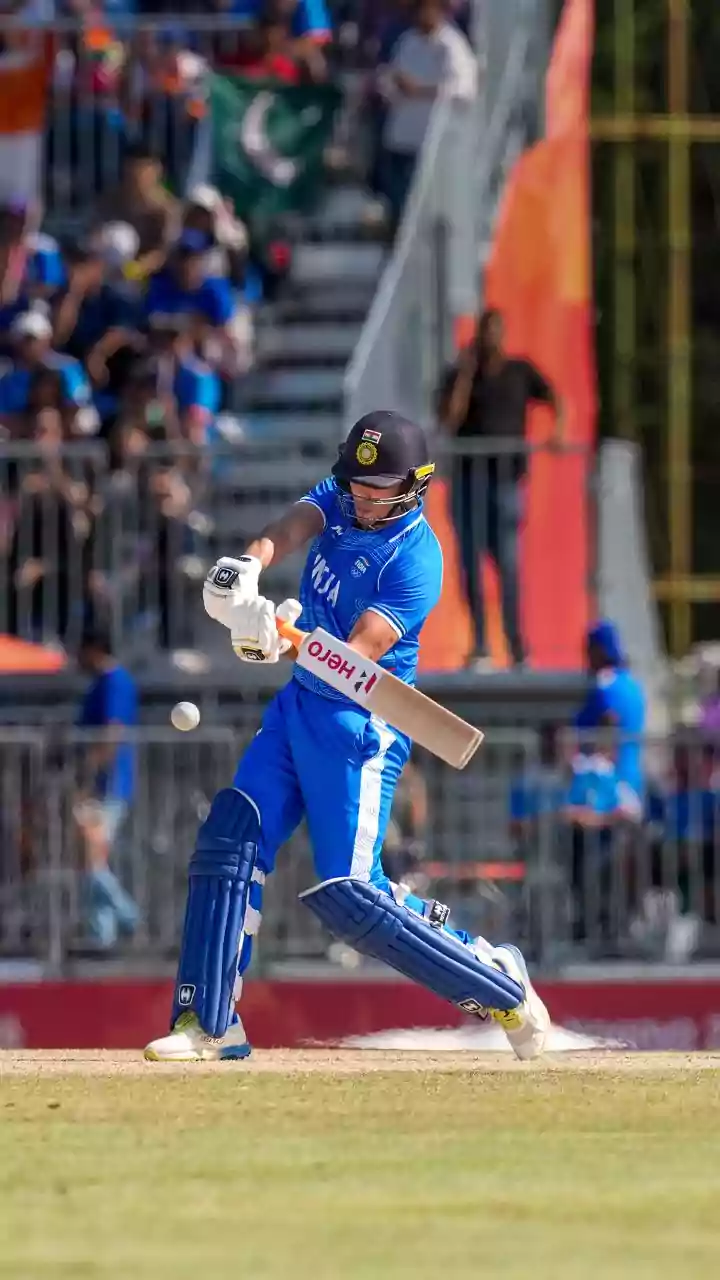
One of the biggest strengths of Shubman Gill lies in how he adjusts his tempo according to the situation. He never goes attacking when it is absolutely not necessary and reads between the lines before hitting a shot. He once explained how he prefers taking calculated risks and looks to attack when he feels the bowler is under pressure.
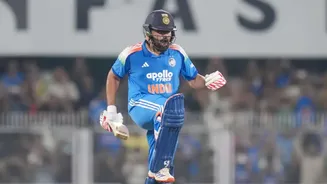
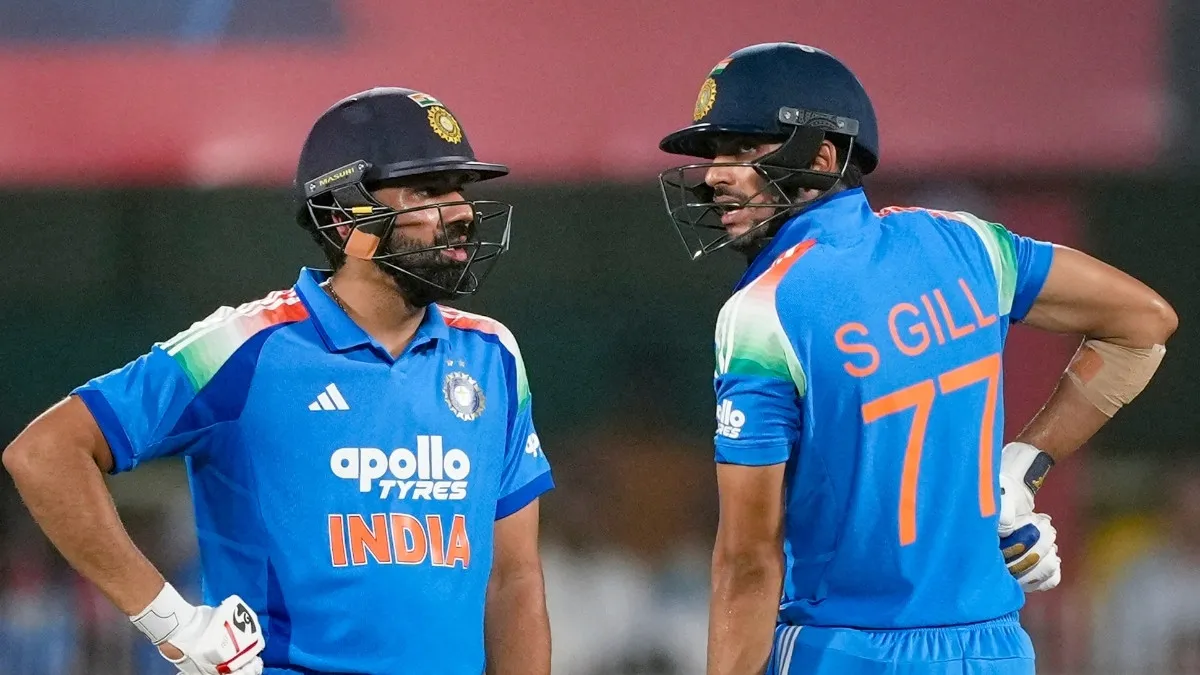
Apart from it, Gill doesn’t rely solely on power, and frequently finds gaps through the covers, square of the wicket and through the infield. He once explained how his approach is different from that of Rohit Sharma.
Read more : Yuzvendra Chahal is not done yet: Can India’s forgotten spinner find his way back in the Indian team?
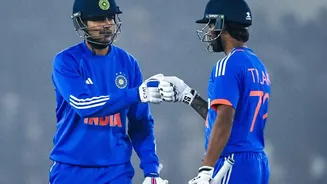
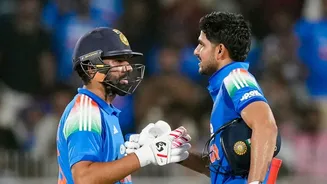
“Rohit bhai likes to play more aerial shots, and tries to hit those big sixes. And I like to play along the ground, and I like to pierce those gaps. In between, if I see the bowler is under pressure, I like to go over the circle. I think that’s the hallmark of us as a pair. We score boundaries with different shots,” he said.
His 223* came with a strike rate of 167.66 and took his ODI career average to 65.12. The biggest difference, however, lies in the fact that he can build an innings patiently when required or turn a controlled start into a devastating finish. All these features and characteristics make him the centre of India’s new white-ball era.