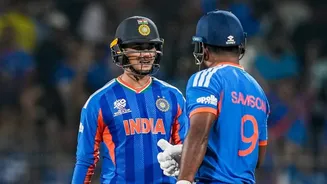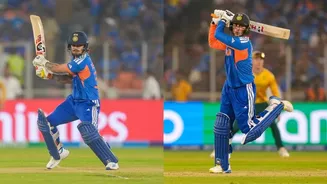

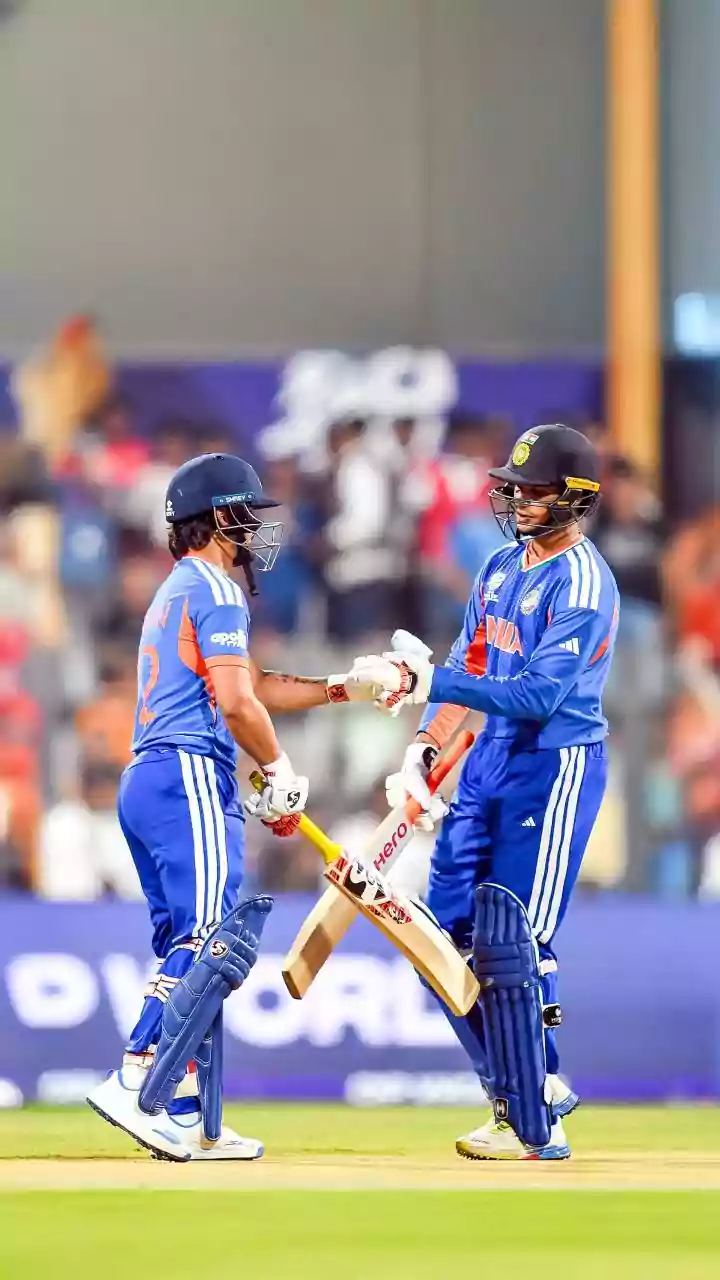
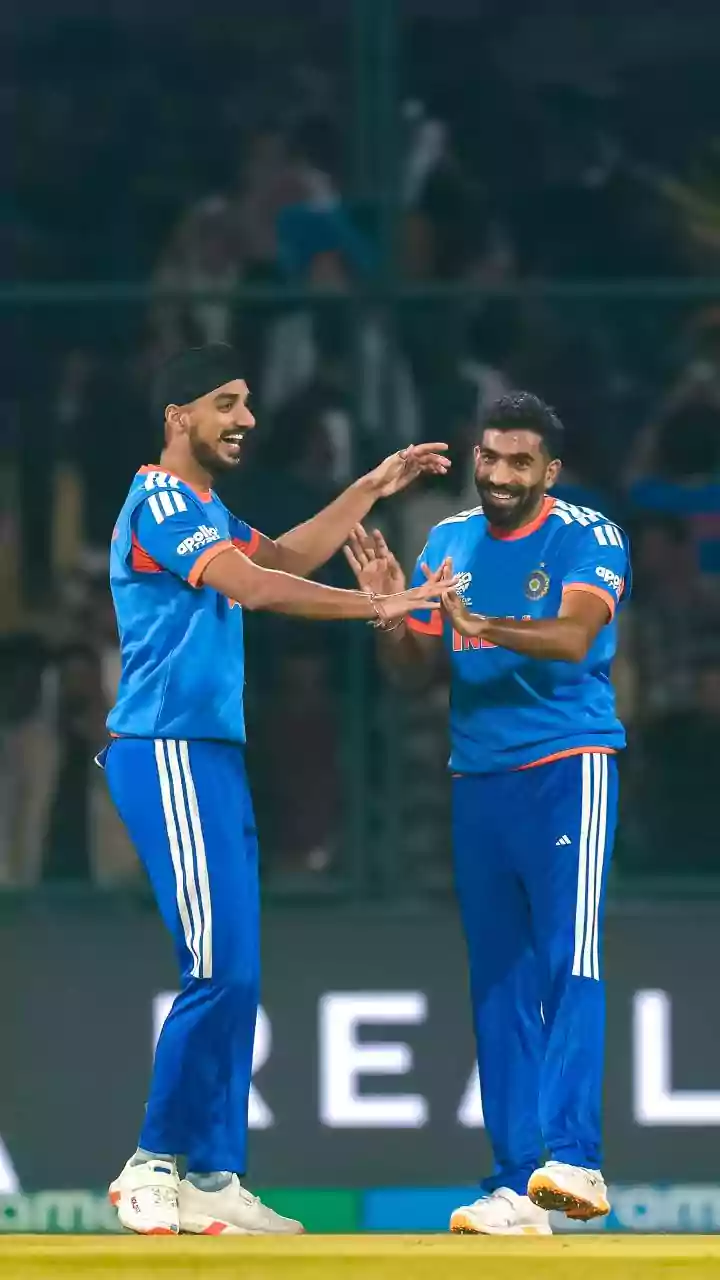
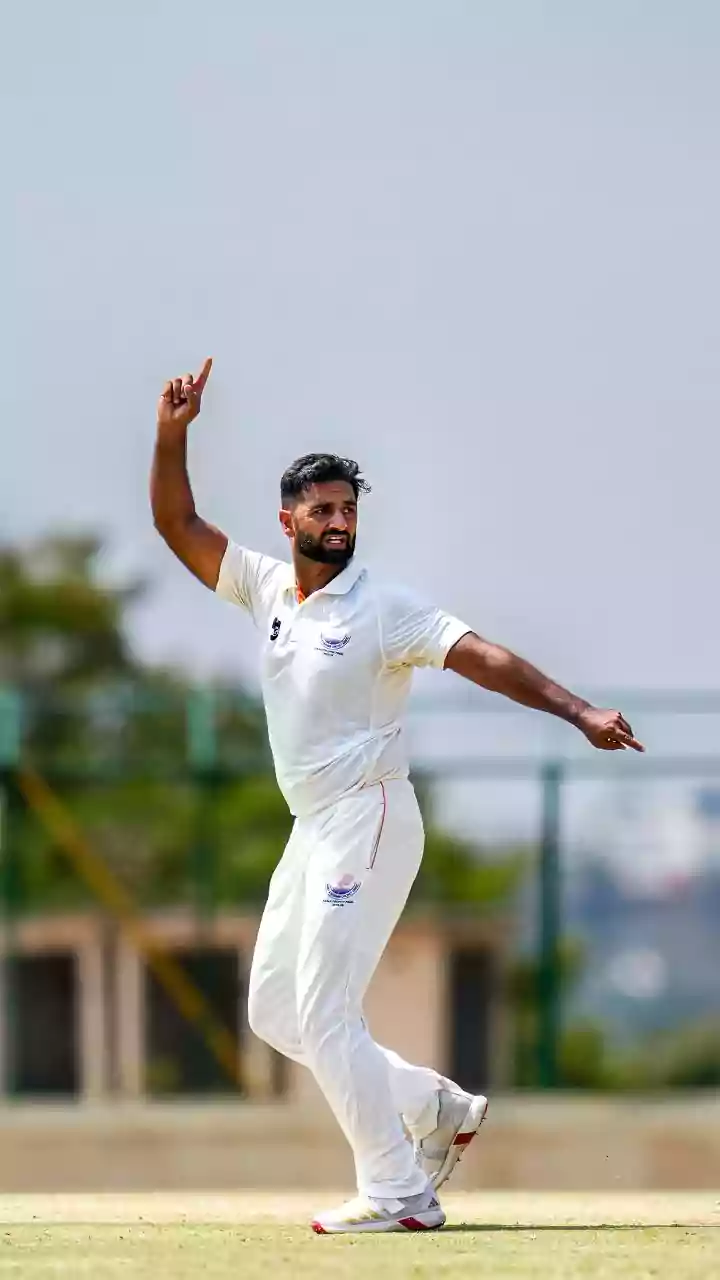

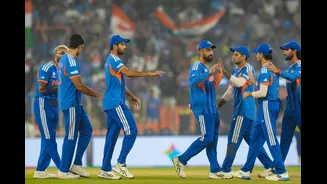
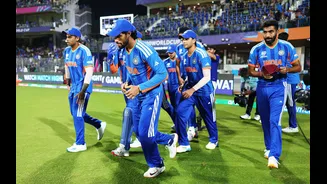
India's opening combination has come under renewed scrutiny following their 76-run defeat to South Africa national cricket team in the T20 World Cup 2026
Super Eight stage, with a tactical dilemma emerging around Ishan Kishan and Abhishek Sharma at the top of the order.
Speaking on JioHotstar's 'Match Centre Live', Abhishek Nayar suggested that the issue now extends beyond individual form and into structural planning, particularly against early spin in the powerplay.
"It's going to be a very uncomfortable discussion between Ishan Kishan and Abhishek as to who takes the strike because suddenly he has passed the baton of the zeroes to Ishan Kishan, someone who was in prime form. But this is a problem for India.
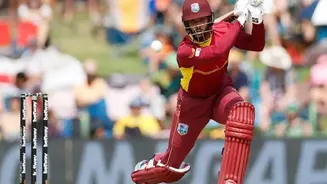
"There is definitely going to be a discussion about how they can overcome an off-spinner bowling to them because, keep in mind, when they take on the West Indies as well, Roston Chase is going to bowl in the powerplay to them. So they will want to come back with better plans.
"With the newer ball, when you hit the seam at times as a finger spinner, you can get that extra bounce, and that's the tricky part. If it's slightly slower in the air, like we saw there, and the ball hits the seam and deviates even a bit, that's enough in T20 cricket to get you out because it creates doubt and can earn you a wicket," Nayar concluded.
Nayar's assessment captures a growing concern within the Indian setup. When both openers have shown vulnerability to off-spin, the routine call of who faces the first delivery becomes strategic. The margin for error in T20 cricket is thin, particularly in the powerplay, where early wickets can derail momentum.
With the West Indies cricket team up next and Roston Chase likely to operate with the new ball, India's think tank must devise clearer plans against spin in the opening overs. Whether that involves role adjustments, strike rotation tweaks or a reshuffle remains to be seen.
For Ishan and Abhishek, the immediate challenge is not merely technical. It is about reclaiming decisiveness at the crease. In T20 cricket, hesitation can last a single ball, but the damage it causes can linger across an entire tournament.