



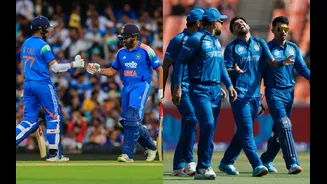


The scars of India's heartbreaking defeat to Australia in the 2023 ODI World Cup final in Ahmedabad remain fresh in the minds of many cricket fans. The Men
in Blue had stormed through the tournament unbeaten, only to fall at the final hurdle.
Nearly three years later, India's ODI journey presents an interesting picture.
On one hand, the team has lifted the ICC Champions Trophy in 2025 and continued to showcase its enviable depth across departments. On the other, a series of unexpected setbacks have raised questions about consistency, transition and the road ahead to the 2027 ODI World Cup.
As Shubman Gill's India begin a new chapter, a look at the team's ODI results since the 2023 World Cup reveals a side that has experienced both triumph and turbulence.
Immediate Redemption in South Africa
India's first ODI assignment after the World Cup final came in South Africa in December 2023.
Despite the disappointment of Ahmedabad, the team responded impressively, securing a 2-1 series victory away from home. The win demonstrated the resilience within the squad and suggested that the World Cup heartbreak had not derailed India's long-term plans.
It was also an early indication of the depth India possessed, with several players stepping up in challenging overseas conditions.
Sri Lanka Expose India's Vulnerability
The first significant setback arrived in August 2024. India travelled to Sri Lanka as favourites but suffered a surprise 2-0 series defeat. The loss highlighted one of India's recurring weaknesses in ODI cricket - adapting to spin-friendly conditions when opposition bowlers are able to exert sustained control.
The defeat served as a reminder that despite possessing a star-studded batting lineup, India remained vulnerable when conditions neutralised their pace advantage.
Champions Trophy Glory Restores Momentum
India responded in emphatic fashion in early 2025. Before lifting the ICC Champions Trophy, the Men in Blue swept England 3-0 in a dominant ODI series. That success carried into the marquee event, where India emerged as champions and added another ICC trophy to an increasingly impressive cabinet.
The triumph was significant for multiple reasons. It not only reaffirmed India's status as one of the premier white-ball teams in the world but also eased some of the lingering pain from the 2023 World Cup final defeat.
Winning a global title reinforced the belief that India remained capable of delivering on the biggest stages.
A Mixed Start Under Shubman Gill
The next phase marked the beginning of India's ODI transition.
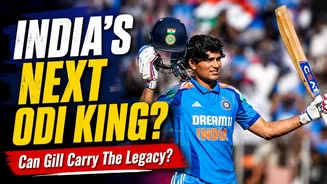
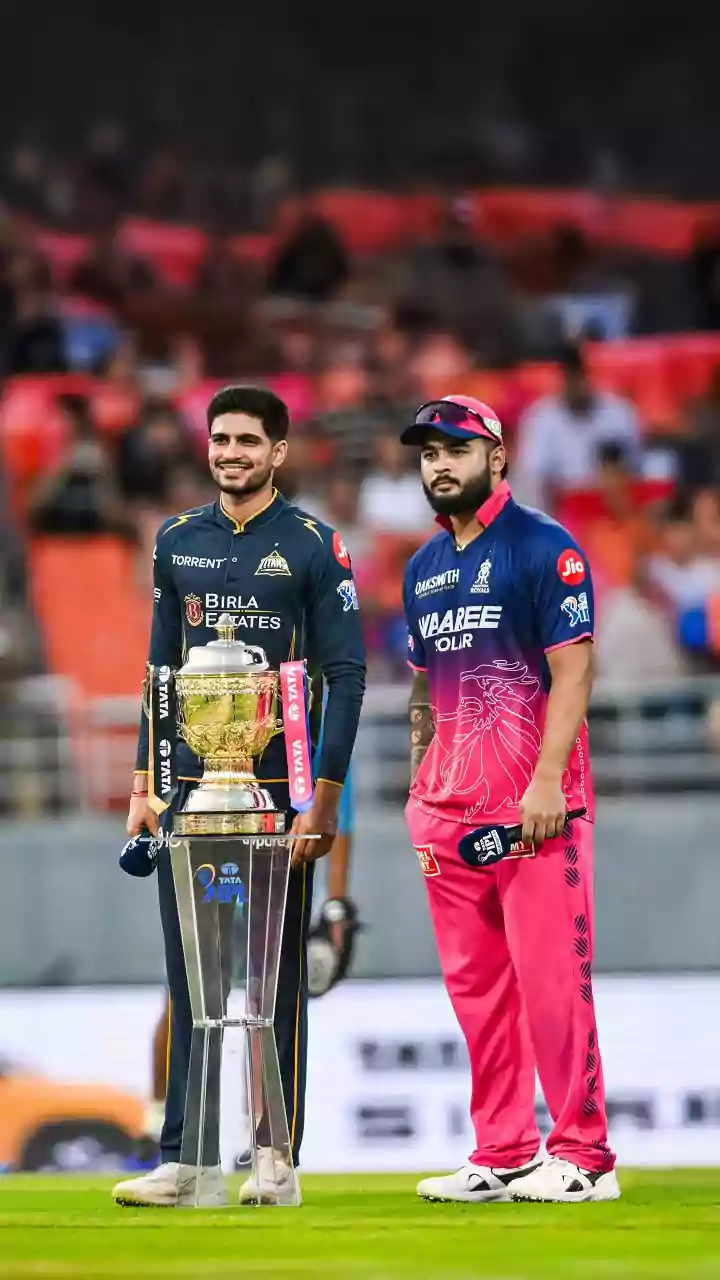
With Shubman Gill taking over leadership responsibilities, expectations were understandably high. However, results have been mixed.
India lost a closely contested ODI series in Australia 2-1 in October 2025 before bouncing back with a 2-1 home series victory against South Africa.
Just as momentum appeared to be returning, another setback followed.
New Zealand stunned India with a 2-1 series win on Indian soil in January 2026, exposing areas that still require attention ahead of the next World Cup cycle.
The defeat was particularly significant because it came at home, where India have traditionally been one of the most dominant ODI sides in world cricket.
What Do The Results Tell Us?
Since the 2023 ODI World Cup final, India have played six bilateral ODI series and one ICC tournament.
The record reads:
- Won 2-1 in South Africa (2023)
- Lost 0-2 in Sri Lanka (2024)
- Beat England 3-0 (2025)
- Won ICC Champions Trophy (2025)
- Lost 1-2 in Australia (2025)
- Beat South Africa 2-1 (2025)
- Lost 1-2 to New Zealand (2026)
The pattern reveals a team that remains highly competitive but no longer enjoys the aura of invincibility it carried during the 2023 World Cup campaign.
Three series defeats in less than three years suggest there is still work to be done, particularly as India navigate leadership changes and attempt to identify their ideal combinations for 2027.
The Bigger Picture Remains Positive
While the defeats to Sri Lanka, Australia and New Zealand have attracted attention, they should not overshadow the broader context.
India have won an ICC title during this period, continued to develop young players and successfully initiated a transition towards a new leadership group.
More importantly, the core of the team remains strong.
Shubman Gill, Hardik Pandya, Jasprit Bumrah, Kuldeep Yadav, Arshdeep Singh and several emerging talents are expected to form the backbone of India's 2027 World Cup plans.
The challenge now is to convert potential into sustained dominance.
Eyes on 2027 ODI World Cup
The ultimate measure of this transition will not be bilateral series victories.
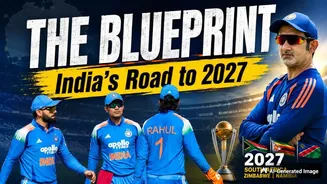
It will be the ODI World Cup in South Africa, Zimbabwe and Namibia in 2027.
India's journey since the 2023 final has been a blend of redemption, experimentation and occasional disappointment. Yet it has also produced valuable lessons and helped identify the players who could define the next era.
The road has not been perfect.
But if history has shown anything, it is that great teams are rarely built through uninterrupted success. They evolve through setbacks, adjustments and reinvention.
For India, the next chapter begins now.