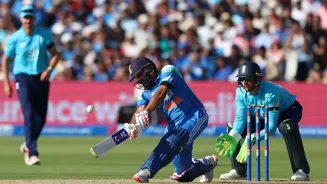






IND vs ENG: India suffered a disastrous run against England in the third ODI at Lord's Cricket Ground. The Men in Blue fell short in many areas against the Three
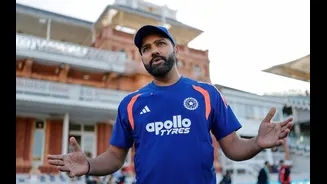
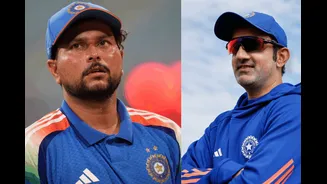
Lions. One of the major areas pointed out by the Indian captain Shubman Gill has been recurrent injuries, which have plagued the national team. Gill expressed his frustration at players not being able to last a 3-match series, admitting it disrupted India's balance throughout the series.
"When one player gets injured, you have to play a different combination. If two are injured, you play a different combination. I think if a player is missing after every match [due to injury], somewhere we are missing a trick. Keeping the World Cup in mind, we have to play eleven matches in a row. And here the players are unable to finish a series of two or three matches. So something is missing somewhere," Gill remarked after the third ODI.
India's preparations and plans were repeatedly disrupted by injuries throughout the series, with several key players sidelined even before the action got underway. The biggest setback came when star all-rounder Hardik Pandya suffered a quadriceps strain during rehabilitation for a back injury at the BCCI's Centre of Excellence. His replacement in the squad, Nitish Kumar Reddy, was also ruled out after sustaining a similar quadriceps injury. To compound India's woes, fast bowler Harshit Rana and all-rounder Washington Sundar both picked up hamstring injuries at different stages of the tour.
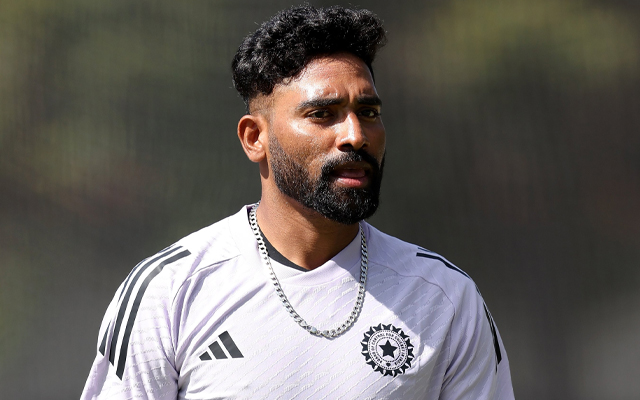
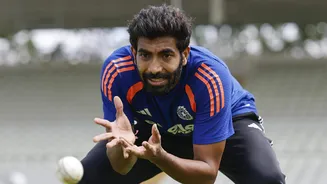
The injury crisis worsened ahead of the series decider at Lord's as premier pacer Jasprit Bumrah was unavailable after suffering an impact injury to his left knee during the second ODI in Cardiff. Without their pace spearhead, India's inexperienced bowling attack struggled to contain England's batting lineup, allowing the hosts to pile up 387 and seize control of the contest.
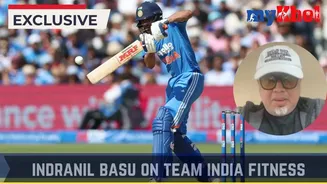
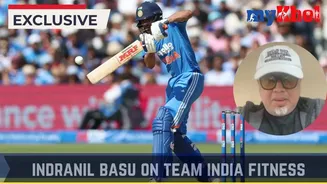
To understand what is going on behind the scenes and why the team is suffering so many recurrent injuries, myKhel spoke with senior cricket journalist Indranil Basu.
Fitness Decline Due To Scanty Bowling Spells Of Pacers In Nets
When asked about the entire situation that transpired around Jasprit Bumrah, Indranil Basu said that the fitness of pacers is declining because they do not have proper net sessions. "Everything is monitored and measured. They rarely bowl more than seven or eight overs in a net session. That's a worrying trend. So, when they are required to play more matches and bowl longer spells, their bodies simply break down," he added.
He further shared a descriptive list of the training module that is followed by the BCCI to keep the players in shape.
Their fitness drills take place inside an air-conditioned gym, while cricket is played out in the open. Training in a 20°C gym and then bowling long spells in temperatures exceeding 40°C puts the body under a completely different kind of stress. The body isn't conditioned for such extreme transitions, and that often leads to breakdowns.
Is IPL The Reason?
The IPL's packed schedule often draws scrutiny whenever Indian cricketers suffer injuries during international tours. However, sports medicine expert Dr. Indranil believes the tournament is not the root cause of these recurring setbacks. "The IPL isn't the reason behind these frequent breakdowns. Even their diet is measured and monitored, just like their bowling workload," he said.
Instead, he highlighted the evolution of fast-bowling preparation. "Today's fast bowlers spend hours in the gym to stay fit for bowling, whereas Kapil Dev and his generation bowled long spells in the nets to build their fitness. That's the fundamental difference," he explained.
What Is The Road Ahead?
Managing the workload of India's fast bowlers has become a priority, but experts believe a broader structural change is needed to ensure a steady supply of durable pacers. According to sports medicine expert Dr. Indranil, rotation policies are already in place, with leading bowlers like Jasprit Bumrah being carefully managed in Test cricket.
"We are already seeing extensive workload management and rotation. Jasprit Bumrah plays Test cricket selectively, yet he hardly misses an IPL game. That reflects where the financial incentives and commitments lie. White-ball cricket, especially the IPL, offers far greater rewards than red-ball cricket," he said.
He further believes the solution lies in strengthening India's domestic red-ball structure rather than simply resting players. He argued that improving financial incentives in the Ranji Trophy would encourage more young fast bowlers to commit to the longer format.
"If the BCCI wants a larger pool of durable, match-ready fast bowlers, it must make Ranji Trophy remuneration far more attractive. "
Basu sir added that prioritising first-class cricket would help bowlers build the stamina and resilience required for Test cricket, ultimately creating a stronger pace-bowling pipeline for India.