




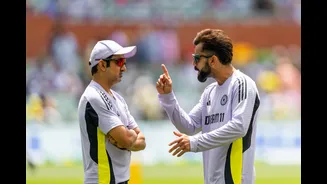
Fresh off India's T20 World Cup 2026 success, chief selector Ajit Agarkar has made a significant move off the field, reportedly requesting an extension
of his tenure until the 2027 ODI World Cup.
According to reports, the request has been placed before the Board of Control for Cricket in India, with discussions currently underway. While no final decision has been taken yet, the timing of the proposal, immediately after a major ICC title win, is unlikely to be coincidental.
Ajit Agarkar impact on Indian cricket
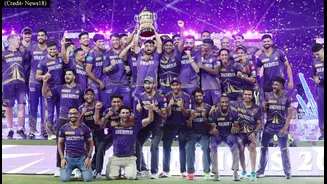
Agarkar's current stint as chairman of selectors began in mid-2023, a period that demanded both stability and decisive thinking. Since then, India have reached four ICC finals across formats, lifting multiple trophies and re-establishing themselves as a dominant white-ball force.
But beyond results, his tenure has been defined by high-stakes decisions.
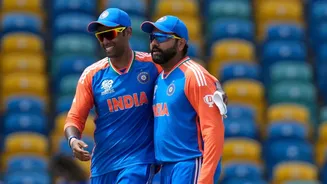
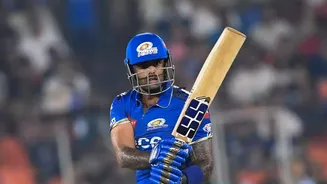
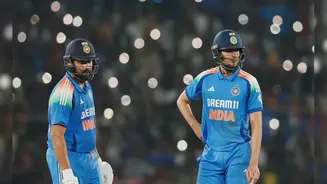
One of the most talked-about moves was backing Suryakumar Yadav as a long-term T20I leader, a call that came ahead of more established names like Hardik Pandya. Equally significant was the decision to move on from Rohit Sharma as ODI captain - a call that carried both emotional and cricketing weight.
In both instances, Agarkar did not shy away from scrutiny, choosing instead to publicly back the direction taken by the selection panel.
Rewarded, and now looking ahead
His contract had already been extended by a year ahead of IPL 2025, following India's success in the 2024 T20 World Cup and 2025 Champions Trophy. The latest request, however, signals a longer-term vision - one that aligns with India's preparation cycle for the 2027 ODI World Cup.
There were earlier indications that a former India cricketer from the West Zone could be in line to succeed him, but no concrete developments have emerged on that front. For now, continuity appears to be the central theme.
Selection, often judged purely on results, is as much about foresight as it is about form. Building squads for global tournaments requires identifying roles, balancing experience with youth, and anticipating conditions years in advance.
Under Agarkar, India's white-ball structure has shown signs of that clarity. The team's consistent presence in ICC finals suggests a system that, at the very least, is working.
With the next ODI World Cup cycle already underway, extending his tenure could offer stability at a crucial time - ensuring that the roadmap remains uninterrupted.
For now, the ball lies with the BCCI. But Agarkar's message is clear: the job, in his view, isn't finished yet.