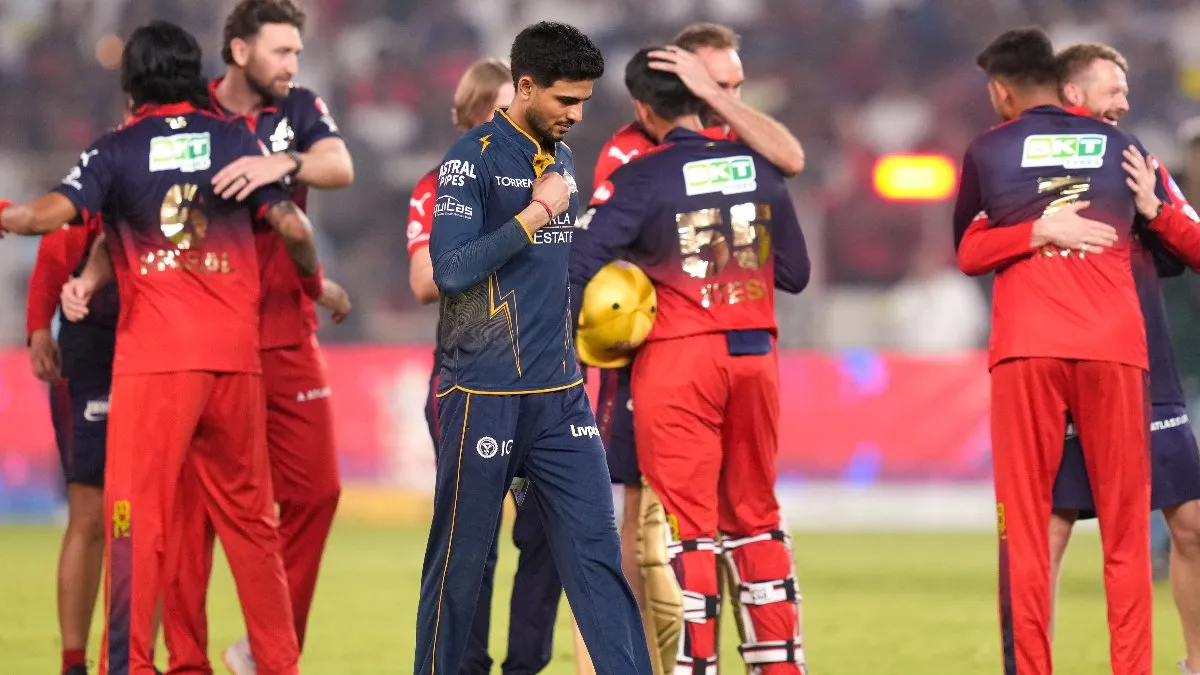




On May 29, at the New International Cricket Stadium in New Chandigarh, Gujarat Titans looked exactly like a team ready to win the IPL.
Shubman Gill stroked
an imperious 104 off 53 deliveries. Sai Sudharsan added a blistering 58. Together, they dismantled a Rajasthan Royals attack that had already removed Vaibhav Sooryavanshi and still believed it was in the contest. Chasing 215 in Qualifier 2, GT got home with seven wickets in hand and eight balls to spare. Their opening pair made one of the most difficult chases in IPL playoff history look routine.
Forty-eight hours later, on a batting surface even friendlier than the one in New Chandigarh, the same pair walked out for the biggest match of the season. By the end of the third over, both were back in the pavilion. Gill had fallen for 10. Sudharsan managed 12. And just like that, Gujarat Titans' IPL 2026 final was effectively over before it had properly begun.
The most painful part for GT was that they had seen this before. Five days earlier in Qualifier 1 at Dharamsala, Royal Challengers Bengaluru had exposed the exact same weakness.
On Sunday night in Ahmedabad, they simply did it again. That, ultimately, is the story of Gujarat Titans' IPL 2026 campaign - a team with the talent, squad depth and momentum to win the title, undone twice on the biggest stages by the same fatal flaw.
The Numbers That Tell The Story
The final scorecard only scratches the surface. GT's top three were dismissed inside the powerplay for the fourth time this season.
The Titans had to wait until the 13th over for their first six of the innings. At one stage, they endured a 40-ball stretch without finding the boundary, the longest such drought in an IPL final.
These are not the numbers of a batting unit operating with confidence. Nor are they the numbers of a team restricted by conditions.
The Narendra Modi Stadium remains one of the most batting-friendly venues in world cricket. Two days earlier, GT had chased 215 in New Chandigarh. Yet on their home ground, under ideal batting conditions, they could manage only 155/8. The surface was not the problem. RCB's execution with the new ball was.
The Blueprint RCB Used - Twice
In Qualifier 1 at Dharamsala, RCB's pace attack identified a vulnerability and relentlessly targeted it. Sai Sudharsan was dismissed for 14. Shubman Gill managed only 2.
Within minutes, Gujarat's two most important batters were gone. Although Jos Buttler briefly counterattacked with 29 off 11 deliveries, the innings never truly recovered. GT were eventually bundled out for 162 while chasing RCB's imposing 254/5.
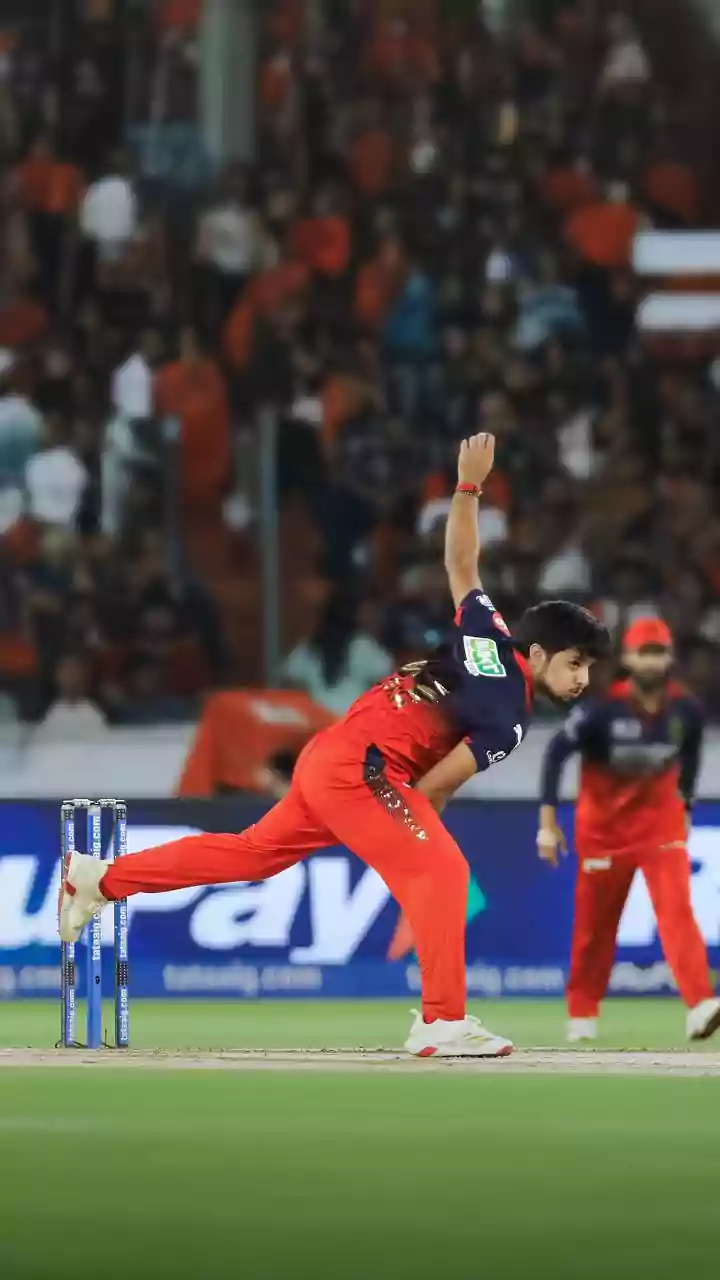
It was one of the most one-sided playoff matches in recent IPL memory. The lesson appeared obvious. RCB's combination of Josh Hazlewood and Bhuvneshwar Kumar had challenged Gujarat's openers with disciplined lengths, denied them scoring opportunities, and forced mistakes.
Gill and GT had five days to address the issue. Instead, Ahmedabad produced a near-identical script. Patidar won the toss and immediately put Gujarat in. Hazlewood struck first. Gill fell for 10.
Bhuvneshwar followed by dismissing Sudharsan for 12. Three overs into the final, GT's season-long batting blueprint had already been ripped apart. The names changed. The venue changed. The stakes changed. The outcome did not.
Washington Sundar's Lone Resistance
If there was one batter who resisted the slide, it was Washington Sundar.
While wickets continued to fall around him, Sundar compiled a disciplined half-century that briefly kept Gujarat's hopes alive.
He rotated strike intelligently, found occasional boundaries, and attempted to hold the innings together while the rest of the batting lineup struggled to establish any momentum.
Unfortunately for the Titans, he was fighting a largely solitary battle.
The middle order failed to construct the partnerships that championship-winning teams depend upon.
Jason Holder contributed only seven runs before becoming another victim of Bhuvneshwar Kumar.
Rashid Khan arrived in the final over, smashed his first delivery from Rasikh Salam for six, and departed off the very next ball.
By the time the innings ended at 155/8, the overwhelming feeling was not that GT had been beaten.
It was that they had left far too many runs behind.
The Contrast That Defines The Season
What makes Gujarat's batting collapse so striking is the contrast with Qualifier 2. Against Rajasthan Royals, Gill and Sudharsan looked unstoppable.
Their opening partnership raced to 100 in just 52 balls. Gill's century and Sudharsan's fifty transformed a daunting chase into a straightforward exercise. GT looked like the form team entering the final. They had momentum. They had confidence. They had home advantage. Most importantly, they possessed an opening pair that was arguably the best in the tournament.
Yet all of those advantages disappeared the moment RCB's new-ball bowlers found their rhythm. The difference between Qualifier 2 and the final was not talent. It was execution under pressure.
The Question Gujarat Cannot Avoid
By almost every measure, Gujarat Titans remain one of the IPL's best-run franchises.
Their bowling attack, led by Rashid Khan, Mohammed Siraj and Arshad Khan, was among the most reliable in the competition. Their batting, when Gill and Sudharsan fired, was capable of overwhelming any opponent.
They reached another final. They finished among the strongest teams in the league. This was not a failed season. But it was a season that exposed a structural concern. Four times in IPL 2026, Gujarat lost three wickets inside the powerplay. Three of those four matches ended in defeat.
The two most damaging instances came in Dharamsala and Ahmedabad - the two games that ultimately defined their season.
That pattern cannot be dismissed as coincidence. It points to a deeper question that Gill and head coach Ashish Nehra must answer before IPL 2027.
The issue is not whether Gujarat's batting is good enough. It clearly is. The issue is whether it is deep enough and flexible enough to absorb the loss of its two best batters within the first three overs of a knockout match. Against RCB, the answer was no. And until Gujarat solve that problem, the ghost of Qualifier 1 will continue to haunt them.