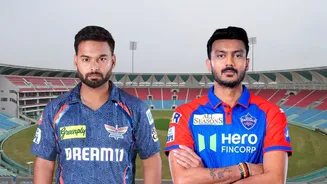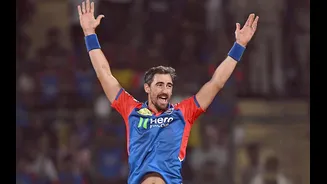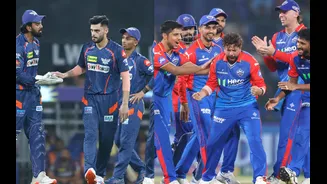

Lucknow Super Giants owner Sanjiv Goenka has addressed captain Rishabh Pant after a viral on-field interaction triggered widespread reactions following
the team's opening defeat to Delhi Capitals in IPL 2026.
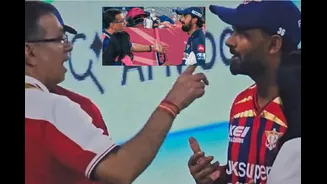
The moment unfolded shortly after Lucknow's six-wicket loss at the Ekana Stadium, where Pant and head coach Justin Langer were seen in what appeared to be an animated discussion with Goenka on the field. The visuals quickly circulated across social media, drawing comparisons to Goenka's widely discussed interaction with former captain KL Rahul during IPL 2024.
Viral video revives memories of past LSG controversies
Lucknow's defeat to Delhi Capitals had already placed scrutiny on the side's batting performance, but the post-match visuals added another layer to the narrative.
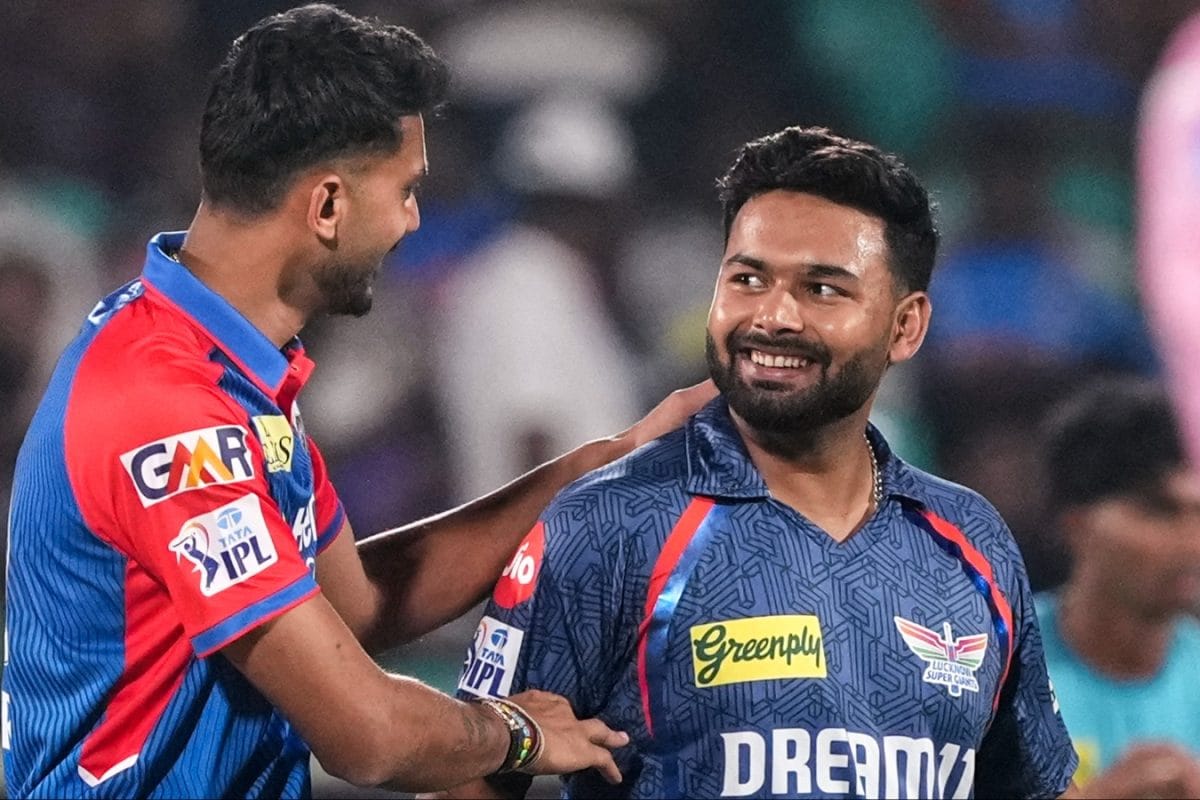
Pant, Goenka and Langer were seen in conversation shortly after the loss, with Pant appearing expressive during the exchange while the team processed the outcome of a match that slipped away despite early bowling success.
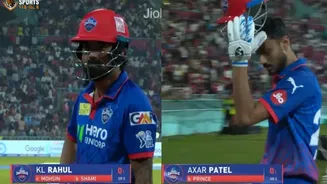
Social media users were quick to link the incident to past tensions, particularly the 2024 episode involving former captain KL Rahul. That incident had drawn criticism at the time, with many questioning whether public confrontations undermined leadership authority.
The recurrence of a similar moment - even if contextual details differed - ensured the latest visuals sparked immediate debate among fans.
Goenka issues public statement backing Rishabh Pant
Hours after the video went viral, Goenka addressed the situation through a post on social media, seeking to shift focus toward long-term confidence rather than short-term reaction.
"This is a long season, and moments like these are part of building something meaningful. I have full confidence in our captain and the team to respond with strength. To our fans, thank you for your support at Ekana today, we will come back stronger. The story of @LucknowIPL this season is far from written," Goenka wrote.
The message appeared to be aimed at calming speculation around leadership pressure, particularly given Pant's high-profile role as captain and marquee signing.
Fans question timing and optics
Despite Goenka's public backing, reactions among fans remained divided.
Many supporters viewed the post as reassurance, while others interpreted it as damage control following the viral footage.
Some social media users questioned the decision to hold discussions visibly on the field, arguing that such conversations are better suited to private settings.
Others criticised what they perceived as overreaction after a single defeat, particularly so early in the season.
The differing responses highlighted how optics - not just results - continue to shape public perception around team leadership dynamics.
Pant reflects on performance after defeat
Following the match, Pant acknowledged that Lucknow's batting performance left them vulnerable despite favourable bowling conditions.
"When you score 140, you try too much. if they play normal cricket, they win. A few extra wickets in the Power-play could have put them under pressure," Pant said after the match.
He also pointed to the lack of partnerships as a key reason behind the modest total.
"There was help with the new ball, but we couldn't get a partnership going. When you don't have enough runs, you are forced to make certain calls, like using a batter to bowl a bit," he explained.
Reflecting on his own dismissal - a run-out that set the tone early - Pant maintained a pragmatic outlook.
"The best way to recover from it is to ignore it. You can't control it, and thinking about it puts you on the back foot," he said.
Early-season pressure begins to build
While one defeat rarely defines a season, the intensity surrounding the incident suggests Lucknow's campaign will unfold under close scrutiny.
Pant's leadership - already under the spotlight due to his high-profile move - now carries additional attention, not just for results but for how the team responds to pressure moments.
For Lucknow Super Giants, the focus now shifts from viral moments to on-field consistency. But as history has shown, conversations beyond the boundary rope can sometimes shape narratives just as strongly as performances within it