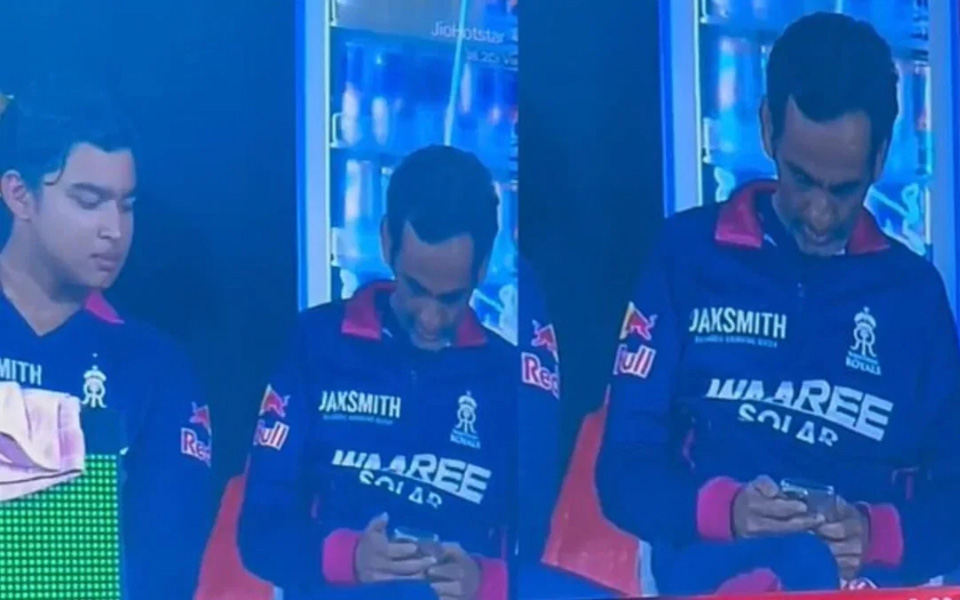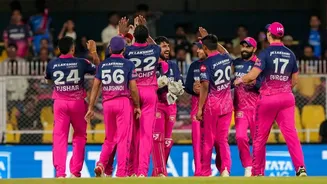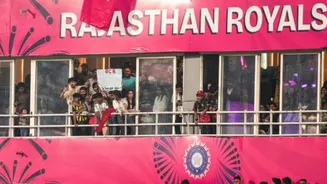





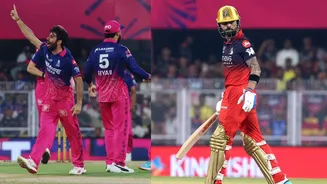
An investigation by the BCCI's Anti-Corruption and Security Unit (ACSU) is underway after Rajasthan Royals team manager Romi Bhinder was seen using a mobile
phone inside the dugout during their IPL 2026 match against Royal Challengers Bengaluru in Guwahati.
The incident has drawn attention due to strict IPL protocols regarding electronic devices inside designated match areas, though reports suggest a medical background may have influenced the situation.
What Happened During the RR vs RCB Match
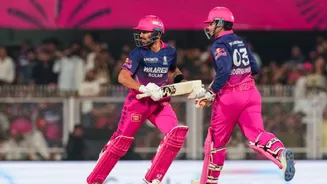
The controversy stems from visuals captured during Rajasthan Royals' match against Royal Challengers Bengaluru at the Barsapara Cricket Stadium in Guwahati.
Rajasthan Royals manager Romi Bhinder was seen using a mobile phone while seated in the team dugout - an area governed by strict anti-corruption protocols under IPL regulations.
Following the footage going viral, the BCCI served Bhinder a notice and asked him to provide an explanation within 48 hours. The matter has since been referred to the ACSU, which is responsible for monitoring compliance with anti-corruption and security standards across IPL matches.
IPL Governing Council Chairman Arun Dhumal confirmed that an official report has been requested to assess whether protocols were breached.
Why Mobile Phone Use Is Restricted in Dugouts
The IPL operates under the Minimum Standards for Players and Match Officials Areas (PMOA) guidelines, which regulate communication devices inside match zones.
Under these rules:
- Mobile phones and communication devices are not allowed to be used in the dugout
- The team manager may carry a phone, but its use is generally restricted to the dressing room area
- Players and staff are expected to deposit devices with the Security Liaison Officer upon arrival at the stadium
- Analysts may use computers only at designated analyst stations
These rules are designed to prevent unauthorised communication that could compromise match integrity or create corruption risks.
The Medical Emergency Angle - Why It Matters
Reports suggest that he previously suffered a serious health episode in which both lungs collapsed, requiring hospitalisation for nearly a month, including time on ventilator support and in intensive care.
Due to ongoing respiratory concerns, including asthma, he is reportedly advised to avoid excessive movement, particularly climbing stairs or walking long distances.
At venues like the Barsapara Cricket Stadium, accessing the dressing room reportedly involves climbing multiple steps - which may have influenced his decision to keep the phone nearby instead of repeatedly moving between areas.
While carrying a phone for medical precaution is sometimes permitted, the issue in this case centres on the usage of the device inside the dugout, not merely possession.
Why the Incident Became More Serious
Another detail that escalated the situation was footage showing a player briefly looking at the manager's phone during the match.
Even if no calls were made or received, visible usage of a phone within restricted zones can trigger investigation under IPL anti-corruption protocols.
Officials typically treat such incidents seriously due to the league's strict stance on preventing unauthorised communication during matches.
What Happens Next in the ACSU Investigation
The next phase involves Bhinder formally explaining his actions to the ACSU.
Investigators will likely examine:
- Whether the phone was used for communication
- Whether any calls or messages were made
- Whether medical necessity justified carrying the device
- Whether the usage occurred in violation of PMOA rules
The ACSU will then submit its findings to IPL authorities, who will determine whether disciplinary action is required.
Could Medical Grounds Influence the Final Decision?
Medical considerations could play a role in how the incident is judged.
If investigators determine that the device was carried due to documented health concerns and not used for communication purposes, the final decision may lean toward leniency.
However, IPL protocols place strong emphasis on visible compliance, meaning even minor deviations can lead to warnings or penalties depending on the circumstances.
The IPL maintains strict device-control policies to safeguard match integrity and prevent any form of unauthorised external influence.
Incidents involving electronic devices - even when medically motivated - are reviewed carefully to maintain transparency and uphold confidence in tournament operations.
With the investigation ongoing, the final outcome will depend on the explanation provided and the evidence reviewed by the ACSU in the coming days.