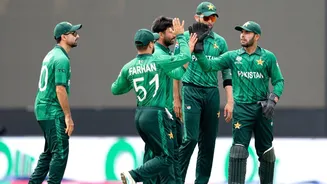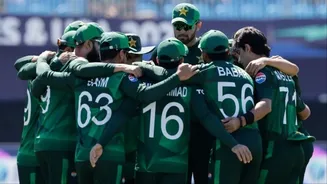





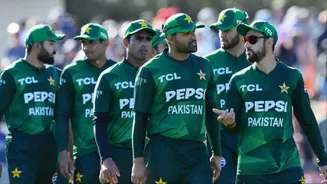
The standoff between the Pakistan Cricket Board and the International Cricket Council over Pakistan's threat to boycott its ICC T20 World Cup Group A fixture
against India appears to be nearing a resolution, with recent discussions significantly weakening the PCB's stated justification for its hardline stance.
Pakistan had initially framed its position as one of moral solidarity with Bangladesh, who were removed from the T20 World Cup following their last minute demand to shift matches away from India in the wake of the Mustafizur Rahman IPL participation boycott.
The PCB claimed that Bangladesh had been unfairly treated and that its protest was aimed at securing justice for its neighbours.
However, developments during the latest round of meetings have revealed that the core Bangladesh related concerns had already been addressed by the ICC.
Bangladesh's Financial Share Already Secured
One of the primary issues raised by the PCB was Bangladesh's financial entitlement from the tournament. Pakistan sought assurances that Bangladesh would not suffer any monetary loss despite not featuring in the event.
The ICC clarified that Bangladesh's revenue allocation from the T20 World Cup cycle would remain completely unaffected, confirming that the matter had been settled internally. This clarification effectively removed the financial argument from the PCB's list of concerns.
Pakistan also requested an additional ICC tournament for Bangladesh as compensation in the next international cycle. While the ICC did not commit to staging a replacement senior event, it reportedly expressed openness to considering Bangladesh as a host for a future Under 19 World Cup. The proposal remains under discussion and is not yet finalised.
Focus Shifts Away From Bangladesh
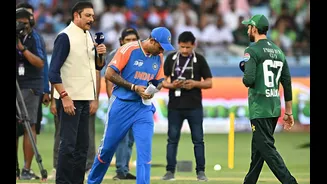
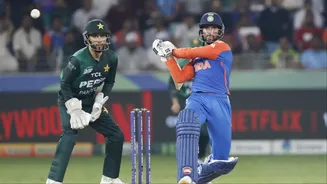
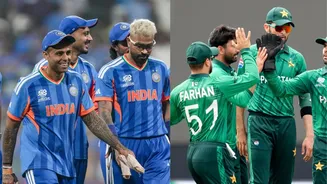
Despite these clarifications, the PCB continued to maintain pressure over the marquee India vs Pakistan fixture scheduled for February 15 in Colombo. From the perspective of organisers and broadcasters, the match is the most commercially valuable fixture of the tournament.
The Sri Lanka Cricket formally urged Pakistan to reconsider its boycott threat, highlighting the economic impact of the match through fan footfall, tourism and hospitality revenue in Colombo.
As negotiations progressed, the PCB's demands began to shift away from Bangladesh centric concerns and towards broader political and commercial objectives.
ICC Rejects Bilateral and Tri Series Proposals
During the tripartite meeting held on February 9 in Lahore, the PCB attempted to involve the ICC in facilitating an India Pakistan bilateral series. The proposal was firmly rejected, with the ICC reiterating that bilateral cricket falls exclusively under the jurisdiction of individual boards and not the global governing body.
The ICC also rejected similar suggestions, including:
• An ICC backed tri nation series involving India, Pakistan and Bangladesh
• ICC support for a potential Indian tour of Bangladesh in 2026
In each instance, the ICC maintained that it could not mandate or broker bilateral or multi nation arrangements outside its tournament framework.
Final Demands Expose Shift in Narrative
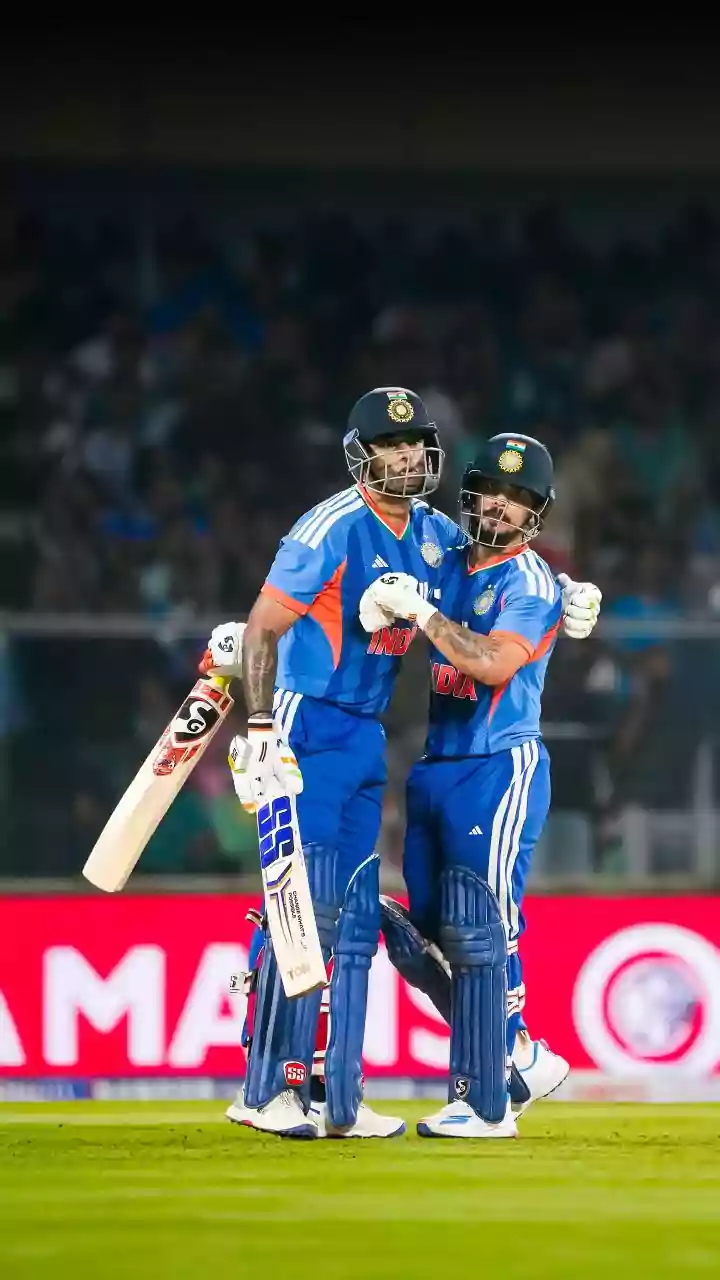
By the conclusion of the meeting, the PCB reportedly placed three more conditions - which had nothing to do with BCB - before the ICC to allow the Salman Agha led side to face Suryakumar Yadav and company on February 15:
1. An increased share of tournament revenue
2. Resumption of bilateral cricket between India and Pakistan
3. Withdrawal of the no handshake policy between the two teams
Notably, none of these demands referenced Bangladesh, whose situation had been cited as the moral basis of Pakistan's original protest.
Political Undertones and Likely Reversal
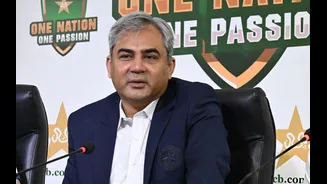
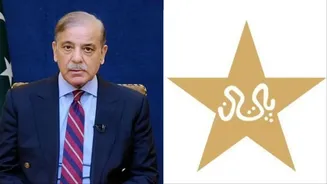
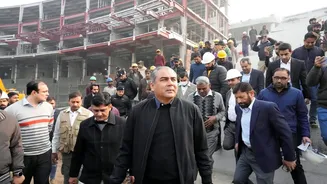
The episode has placed Mohsin Naqvi, who also serves as interior minister in the Shehbaz Sharif government, in an uncomfortable position. While Pakistan's leadership publicly framed the issue as one of morality and justice, the PCB's negotiating posture increasingly reflected commercial leverage and political signalling.
With indications that Islamabad is expected to approve participation in the February 15 fixture, Pakistan now appears set for a carefully framed reversal. Any decision to play is likely to be presented domestically as a principled compromise rather than a climbdown.
What remains clear is that the ICC has drawn a firm line. Bangladesh's interests were protected early in the process, bilateral cricket remains outside ICC control, and the tournament's integrity will not be reshaped through brinkmanship, even when the sport's biggest rivalry is involved.