
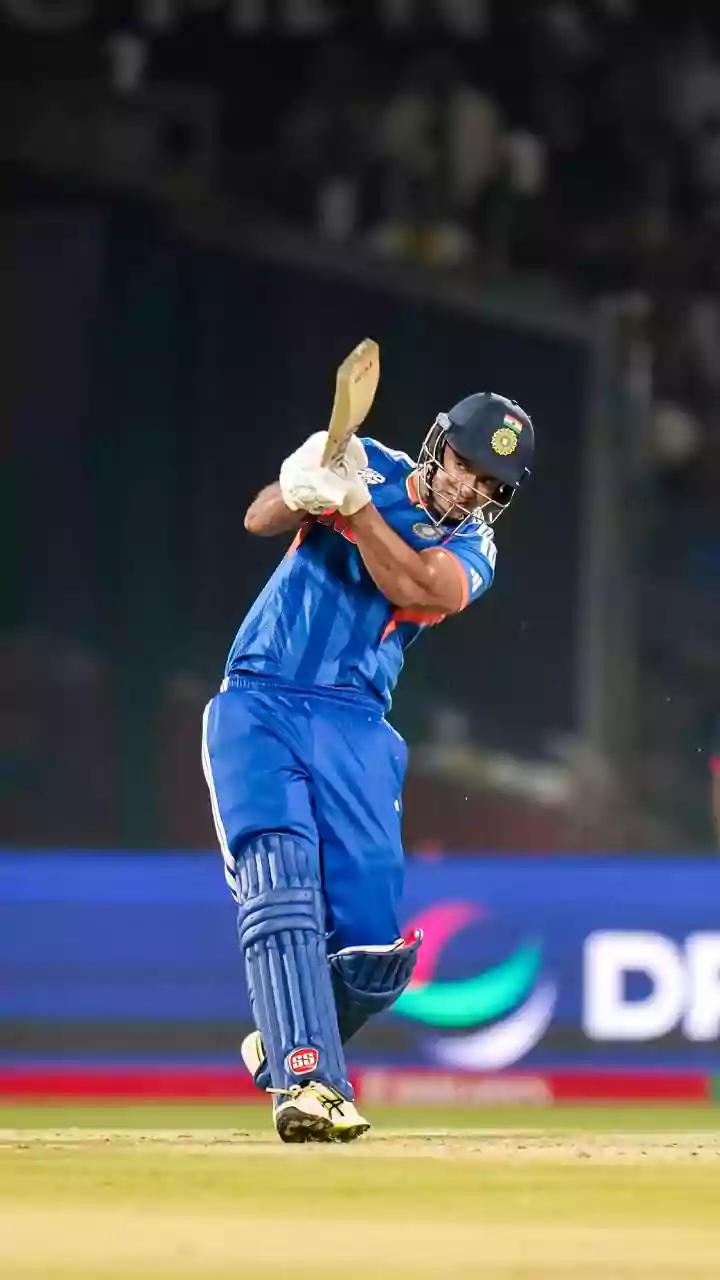





India has won all their group-stage matches at the 2026 T20 World Cup, but one statistic stands out: Abhishek Sharma is yet to score a run.
The world's
top-ranked T20I batter has registered three consecutive ducks, an unexpected return for a player who has powered India's white-ball dominance over the last 18 months.
Looking at the 3 T20 World Cup dismissals
There has been no single pattern to his exits.
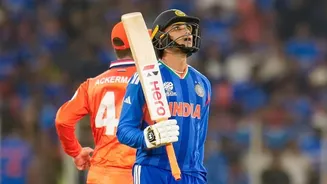
Against the USA at the Wankhede, Abhishek lofted his second ball to a well-placed deep cover. In the high-profile clash against Pakistan in Colombo, he miscued a pull off Salman Ali Agha after Pakistan opened with spin. Against the Netherlands in Ahmedabad, he was bowled attempting to hit across the line against off-spin once again.
The dismissals have varied in nature: a mis-hit, a mistimed stroke, a missed connection. There is no recurring technical flaw that teams have consistently exploited.
Targeting Abhishek Sharma
Oppositions have clearly prepared for him. Both Pakistan and the Netherlands introduced off-spin early, a calculated move against India's left-handed opener. With the field up in the powerplay and the expectation to attack, Abhishek has often looked to force momentum rather than build it.
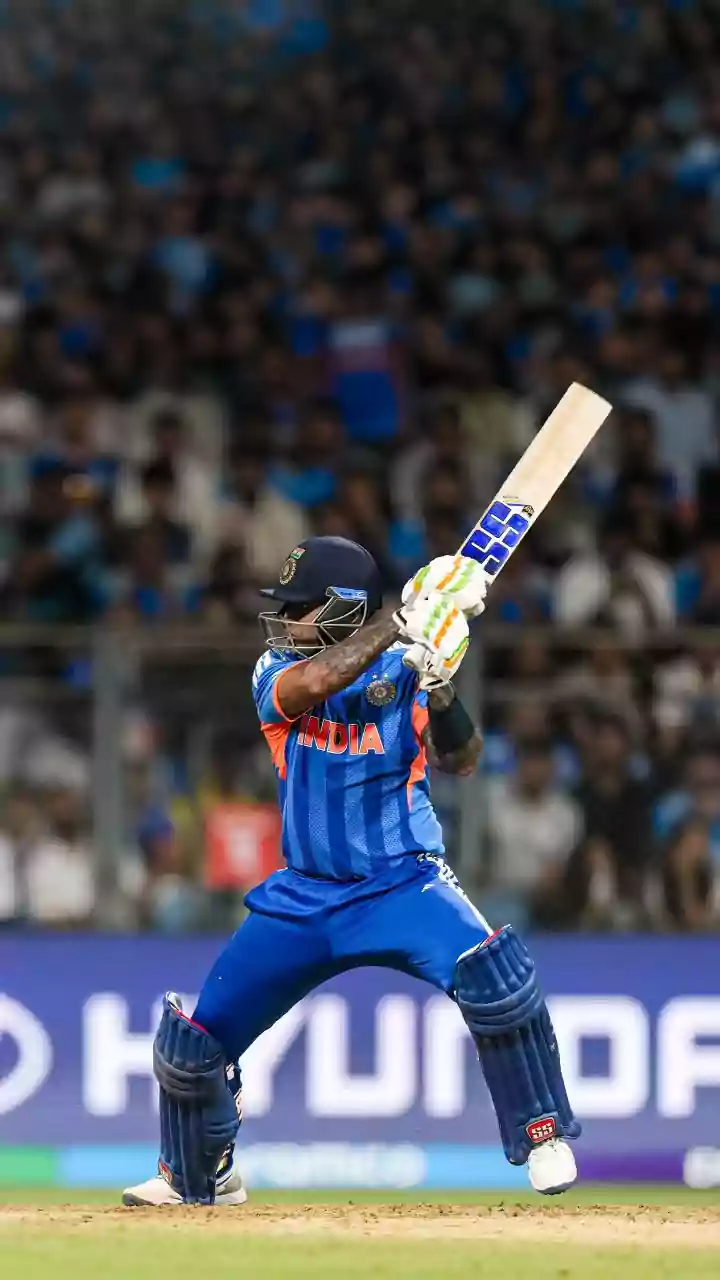
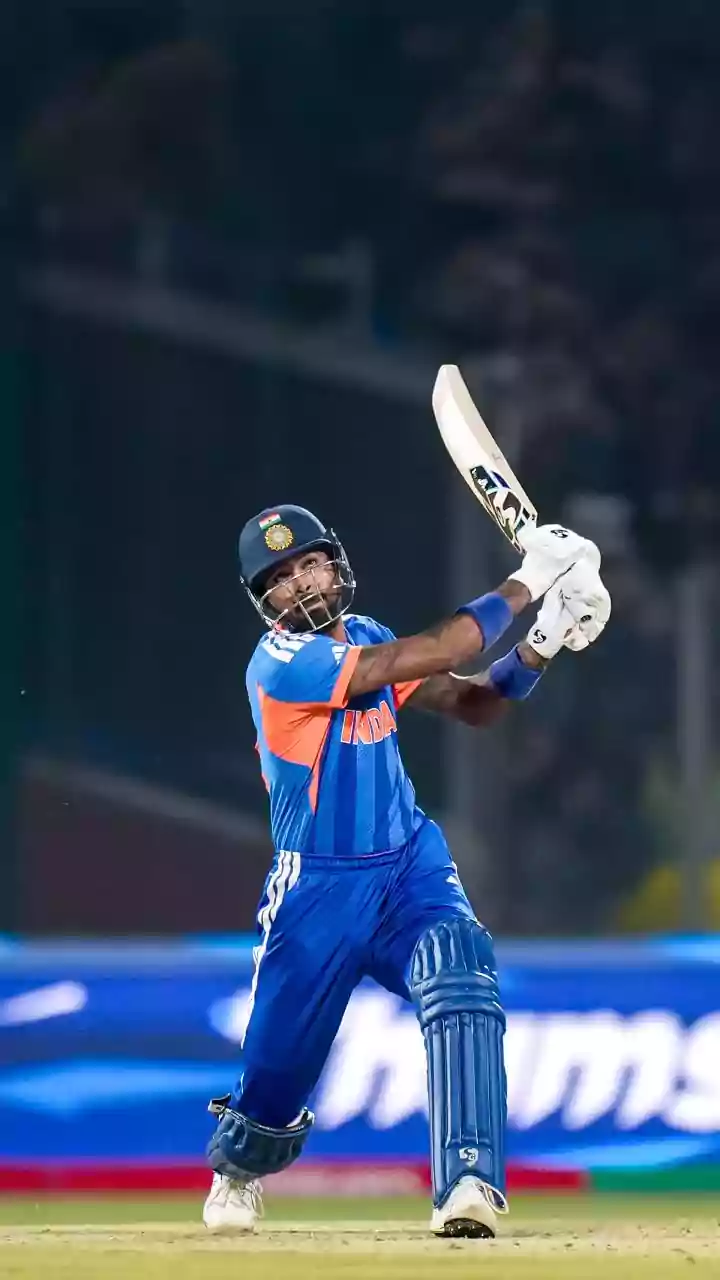
That approach has defined his success. It also carries inherent risk. India's batting structure, however, has ensured his struggles have not translated into team setbacks. Ishan Kishan has been in strong form, while Suryakumar Yadav, Hardik Pandya, and Shivam Dube have contributed at various stages. India have consistently recovered from early wickets.
Assistant coach Ryan ten Doeschate has also downplayed concerns, pointing to positive net sessions and reiterating the team's confidence in Abhishek.
A phase, not a crisis
High-impact openers operating at an aggressive tempo are naturally exposed to early dismissals. Since the last World Cup cycle, India's opening partnerships have often been short-lived, but the middle order has absorbed that pressure effectively.
For now, Abhishek's lack of runs has not hurt India. But as the tournament progresses into the Super Eights, the margin for error narrows. Against stronger bowling attacks, early stability can become more valuable.
There is little indication that India is considering any drastic changes. More likely, they will back the same approach that brought Abhishek to the top of the rankings.
Three ducks are statistically notable. Whether they become a trend or remain a brief dip will only be clear in the next phase of the tournament.