



IPL 2026 has increasingly become a season where captaincy has made the difference between teams rising toward the playoffs and others collapsing under
pressure.
While several big-name leaders have faced criticism for tactical confusion, inconsistent selections and poor on-field management, a few captains have quietly separated themselves through clarity, composure and consistent performances under pressure.
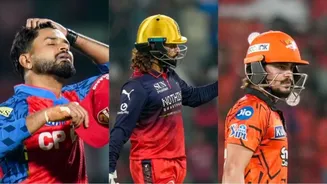
At the halfway stage of the tournament, three captains in particular have stood out above the rest - Shreyas Iyer at Punjab Kings, Rajat Patidar at Royal Challengers Bengaluru and Ishan Kishan at Sunrisers Hyderabad.
Each of them arrived with very different expectations, but all three have successfully shaped winning identities for their franchises.
1. Shreyas Iyer has once again proven why he remains one of IPL's best leaders
Few captains in modern IPL cricket have built a stronger leadership resume than Shreyas Iyer over the last three seasons.
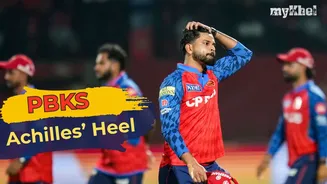
After leading Kolkata Knight Riders to the IPL title in 2024 and guiding Punjab Kings to the final last season, Iyer has once again kept PBKS among the strongest teams in IPL 2026.
Punjab's campaign has not simply been about results - it has been about structure and clarity.
Unlike several franchises still experimenting with batting orders and combinations midway through the season, PBKS quickly established defined roles under Iyer's leadership. The side built its campaign around aggressive powerplay batting, flexible all-round depth and attacking bowling plans.
Even during Punjab's recent losing streak, the team rarely looked tactically confused.
Iyer himself has also led from the front with the bat, continuing to balance anchoring responsibilities with aggressive middle-over acceleration. His ability to remain calm during pressure moments has become one of PBKS' biggest strengths.
More importantly, players around him appear to trust the environment he has created. Youngsters like Priyansh Arya and Suryansh Shedge have played fearless cricket, while overseas stars such as Cooper Connolly and Marcus Stoinis have slotted naturally into clearly defined roles.
At this stage, Iyer has once again reinforced his reputation as arguably the best Indian franchise captain currently active in T20 cricket.
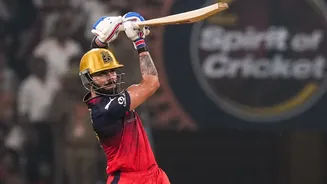
2. Rajat Patidar has transformed RCB's mentality
Rajat Patidar entered IPL 2026 carrying enormous pressure.
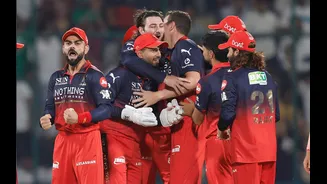
Captaining Royal Challengers Bengaluru is never easy, especially for someone still relatively inexperienced as a leader. Yet Patidar has handled the role with remarkable maturity throughout the season.
What has stood out most about Patidar's captaincy is his calmness.
RCB sides of previous seasons often looked emotionally reactive during pressure moments, but this version appears significantly more composed. Patidar has consistently trusted matchups, rotated bowlers intelligently and shown confidence in younger players during difficult situations.
His relationship with senior figures like Virat Kohli has also worked beautifully. Rather than appearing overshadowed by Kohli's presence, Patidar has successfully used that experience around him while still stamping his own authority on the side.
RCB's bowling plans in particular have looked far sharper this season. The management of Bhuvneshwar Kumar during death overs, the flexibility shown with Krunal Pandya and the tactical use of pace options have all reflected strong captaincy coordination.
Patidar has also contributed heavily with the bat despite captaincy pressure, often stabilising innings during collapses or accelerating when required.
For a franchise long criticised for lacking tactical clarity, Patidar's leadership has brought surprising balance and stability.
3. Ishan Kishan's aggressive leadership has revived SRH
Ishan Kishan perhaps faced the toughest circumstances among these three captains.
Originally handed leadership responsibilities temporarily while Pat Cummins recovered from injury earlier in the season, Kishan suddenly found himself leading a struggling SRH side that had lost three of its first four matches.
At that point, Sunrisers Hyderabad looked disorganised and inconsistent.
But Kishan's aggressive approach slowly changed the mood of the team.
Rather than becoming defensive after early defeats, SRH doubled down on attacking cricket. Kishan backed younger players, trusted pace-heavy bowling combinations and encouraged the batting lineup to continue playing fearlessly.
That faith eventually paid off.
A dominant victory against Rajasthan Royals - powered by Kishan's own 91-run innings and impressive bowling debuts from Praful Hinge and Sakib Hussain - became the turning point of SRH's season.
Since then, Hyderabad have looked like one of the most dangerous sides in the tournament.
Kishan's own batting form has also strengthened his captaincy impact. At multiple stages this season, he remained among the Orange Cap contenders while simultaneously handling leadership pressure for the first time in the IPL.
Perhaps the biggest compliment to Kishan's captaincy is that SRH now appear to have a clear identity again - aggressive batting, attacking pace bowling and fearless cricket under pressure.
IPL 2026 has exposed captaincy gap across the league
One reason these three captains have stood out so clearly is because several other franchises have struggled badly in leadership departments this season.
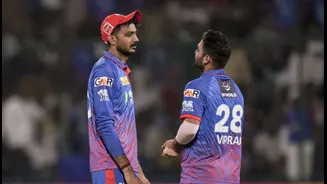
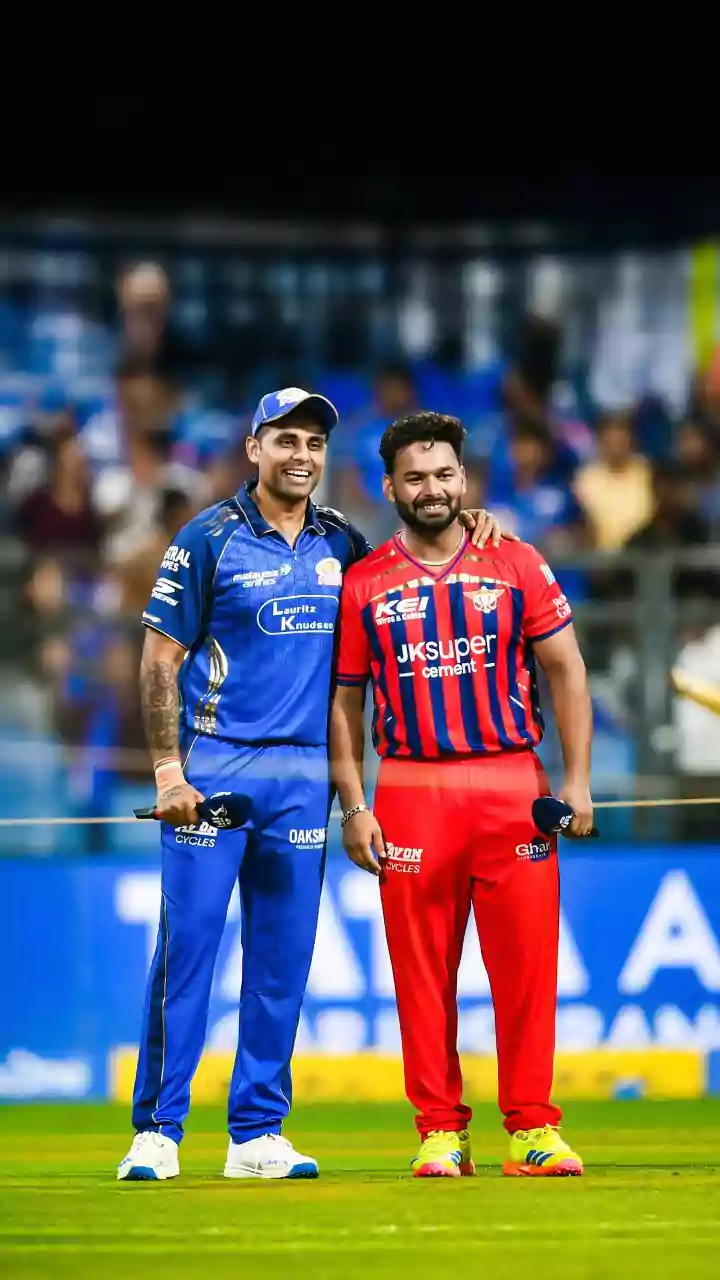
Mumbai Indians, Lucknow Super Giants and Delhi Capitals have all faced repeated criticism over tactical instability and inconsistent decision-making. Frequent batting-order changes, questionable bowling rotations and visible dressing-room frustration have only increased focus on leadership quality across the league.
In contrast, Iyer, Patidar and Kishan have consistently projected clarity and calmness.
As IPL 2026 enters its decisive phase, that stability could become the biggest factor separating genuine title contenders from teams simply fighting for playoff survival.