





Cricket's global calendar revolves around two ICC showpieces that often get mentioned together, but are fundamentally very different in purpose, pressure
and personality: the ICC Cricket World Cup and the ICC Men's T20 World Cup. Both crown world champions. How teams get there and what the tournaments demand could not be more distinct.
ICC Cricket World Cup: the ultimate test of cricketing endurance
The ICC Cricket World Cup, played in the 50-over format, is the oldest and most demanding tournament in international cricket and is held every four years. First held in 1975, it is designed to test a team's technical depth, tactical patience, and mental resilience over long stretches of play. Batters must construct innings rather than explode instantly, bowlers are judged on sustained control across spells, and captains are required to think several phases ahead.
The pressure here is cumulative. One bad session can derail weeks of preparation. Success usually favours teams with strong domestic structures, elite fitness standards, and consistent performers. That is why traditional powers tend to dominate this format and why winning a Cricket World Cup is often described by players as the peak of a career. It is cricket's marathon: relentless, exposing, and unforgiving.
ICC T20 World Cup: chaos, courage and calculated risk
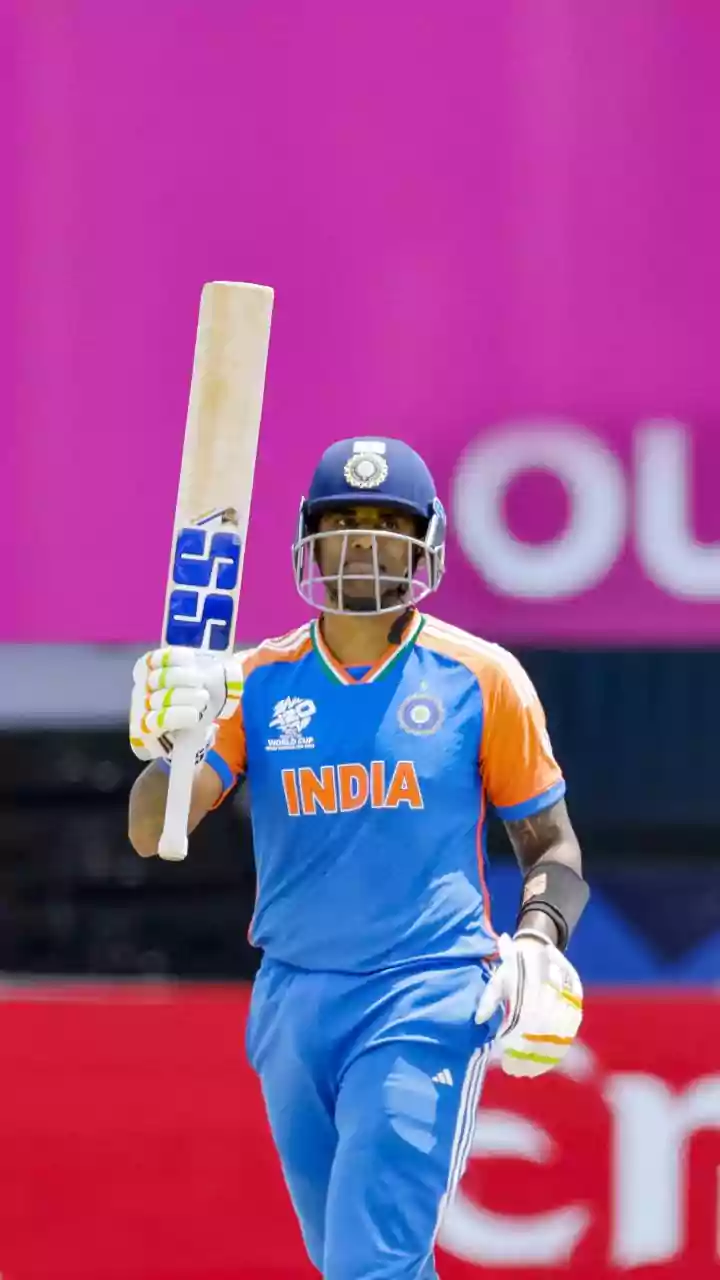
The ICC T20 World Cup is cricket's most volatile global event, held every two years. With matches compressed into 20 overs per side, the format rewards impact over endurance. Power-hitting, inventive strokeplay, death-over bowling and fearless decision-making matter more than textbook technique.
In T20, momentum swings violently. A single over can undo an entire game plan. This is why upsets are common and pre-tournament favourites often collapse early. Teams ranked lower in longer formats can thrive here because the skill set required is different. The clearest example is the West Indies, two-time T20 World Cup champions despite sitting outside the top tier of ODI rankings for much of the last decade.
Where the ODI World Cup values control, the T20 World Cup celebrates risk tolerance. Players are judged not on how long they bat, but how many runs they score in how few balls. Bowlers are prized for deception rather than consistency. This makes the tournament wildly unpredictable and irresistibly entertaining.
Both produce champions. Both create legends. But they reward entirely different kinds of greatness: one built on mastery and patience, the other on audacity and nerve. In modern cricket, understanding that difference is the key to understanding why World Cups can look the same on paper, yet feel worlds apart on the field.