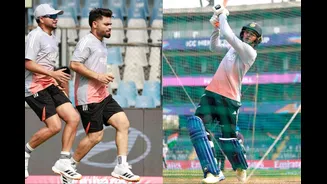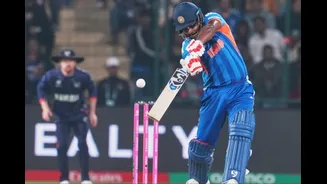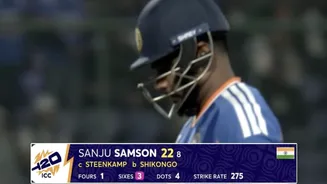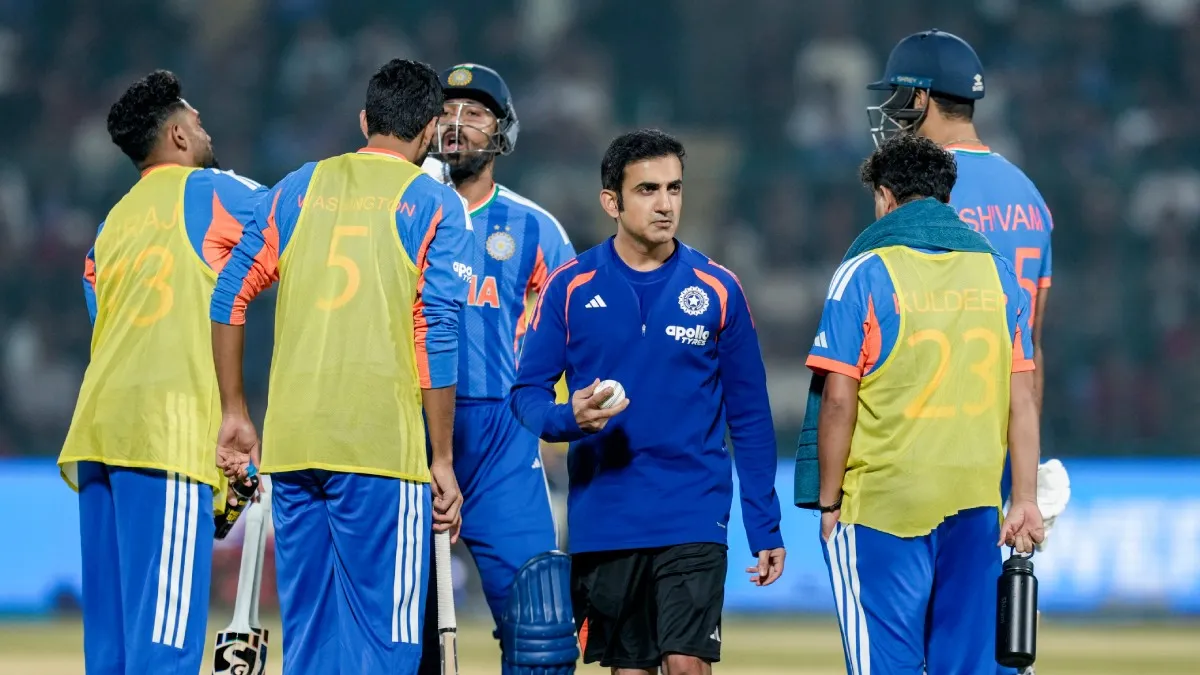




As Indian Cricket Team gears up for two matches in a space of three days in the ICC Men's T20 World Cup 2026, fresh CricViz data paints a compelling statistical
picture of their evolution in T20I cricket since the 2024 World Cup.
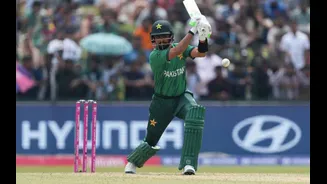
The numbers highlight two defining pillars of India's current campaign: Varun Chakaravarthy's supremacy in the middle overs and Suryakumar Yadav's refined risk management at the start of his innings. The Men In Blue face Namibia on Thursday and lock horns with arch-rivals Pakistan on Sunday in Colombo.
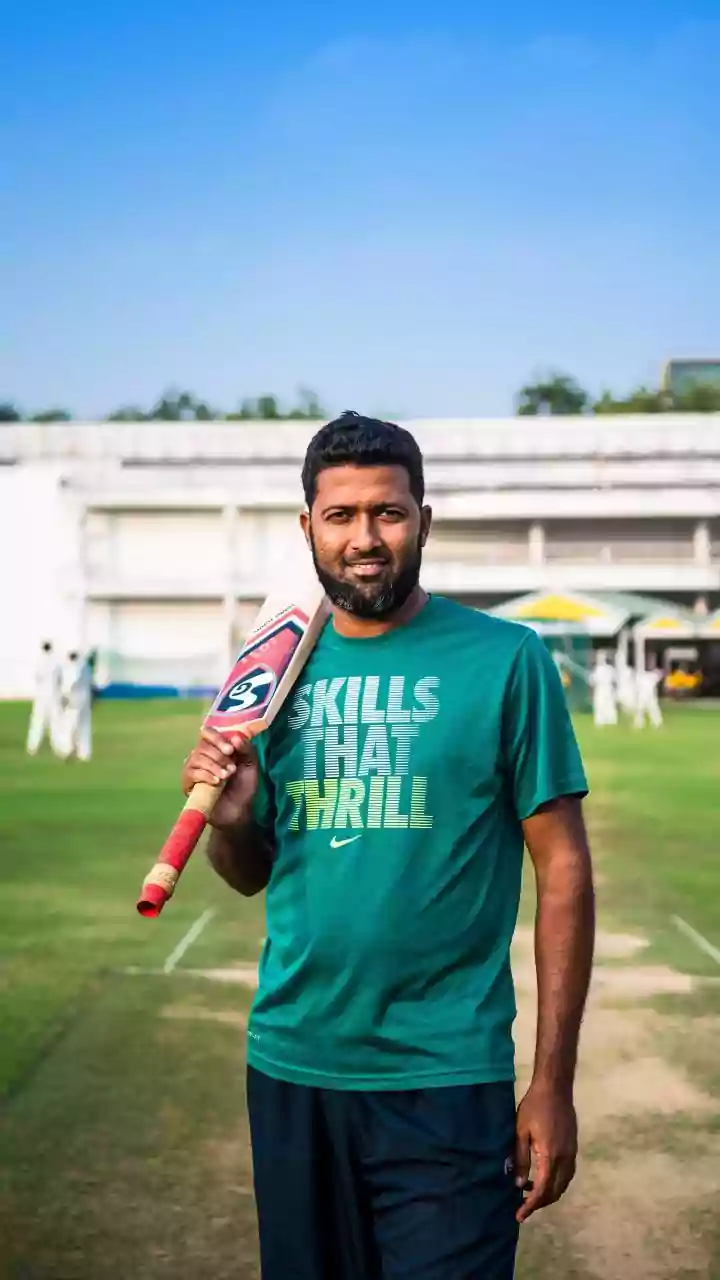
Chakaravarthy: The World's Leading Middle-Overs Wicket-Taker
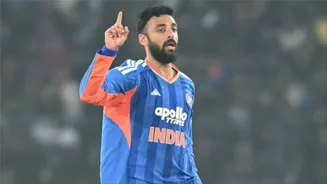
Since the conclusion of the 2024 World Cup, Chakaravarthy has emerged as the most prolific bowler globally in overs 7-15 in T20Is. In a format where the middle overs often dictate momentum, the mystery spinner has built his reputation on relentless accuracy, subtle changes in pace and sharp tactical match-ups.
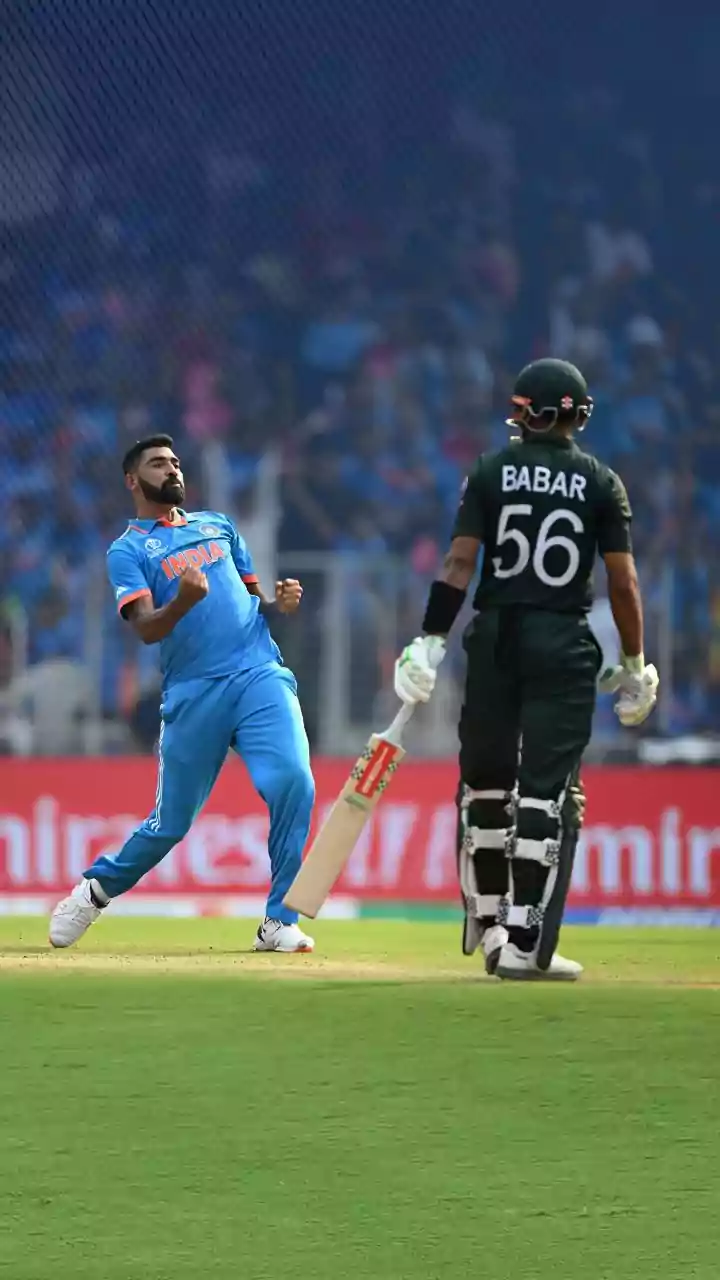
CricViz data confirms that no bowler has taken more wickets than Chakaravarthy in this crucial phase during the period under review. Even more striking is his dominance against right-handed batters, where he leads the world in wickets taken in overs 7-15. This trend underlines India's increasing reliance on structured match-ups, with Chakaravarthy deployed strategically once the field spreads and batters look to consolidate.
His control during this phase not only slows scoring rates but also forces risk-taking from opposition batters, creating breakthroughs that disrupt partnerships. Against a Namibia side likely to rely on rebuilding through the middle overs, Chakaravarthy's role could once again prove decisive.
Suryakumar's Reinvented First 10 Balls
While Chakaravarthy controls the middle overs with the ball, India's captain has undergone a notable transformation with the bat.
In 2025, Suryakumar was dismissed 11 times within his first 10 balls across 19 T20I innings. That vulnerability often placed India under early pressure. However, 2026 tells a different story. Across six T20I innings this year, he has been dismissed just once in his first 10 deliveries.
The shift reflects a conscious recalibration. Rather than attacking from ball one regardless of conditions, Suryakumar has tempered his early risk, prioritising strike rotation and situational awareness. Once set, he retains his trademark 360 degree strokeplay, expanding his range after assessing pitch behaviour and bowling patterns.
The statistical contrast between 2025 and 2026 highlights a captain who has optimised his risk profile without diluting impact. By extending his stay at the crease, he has provided greater stability at the top while still delivering explosive finishes.
Data-Driven Roles Define India's Strategy
Together, these insights illustrate a broader tactical evolution. India's T20 approach is no longer solely about aggression; it is increasingly structured around defined roles backed by analytics.
Chakaravarthy's middle-overs dominance ensures control during the phase that often swings matches, while Suryakumar's improved early-innings discipline reduces collapses and strengthens platforms. The pairing of a world-leading middle-overs wicket-taker and a captain refining his risk management gives India balance on both sides of the contest.
Heading into their clash against Namibia in Delhi, the numbers suggest India are not merely relying on instinct but executing a calibrated plan. If these trends continue, their title defence at the ICC Men's T20 World Cup 2026 could be built as much on data as on flair.