





Most Wickets For India In ODIs: India's ODI campaign in 2025 unfolded against the backdrop of leadership changes, yet the bowling unit played a decisive
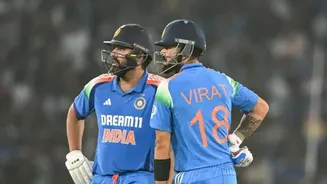
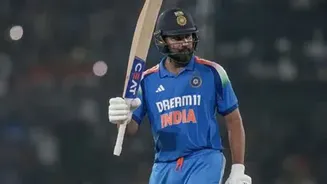
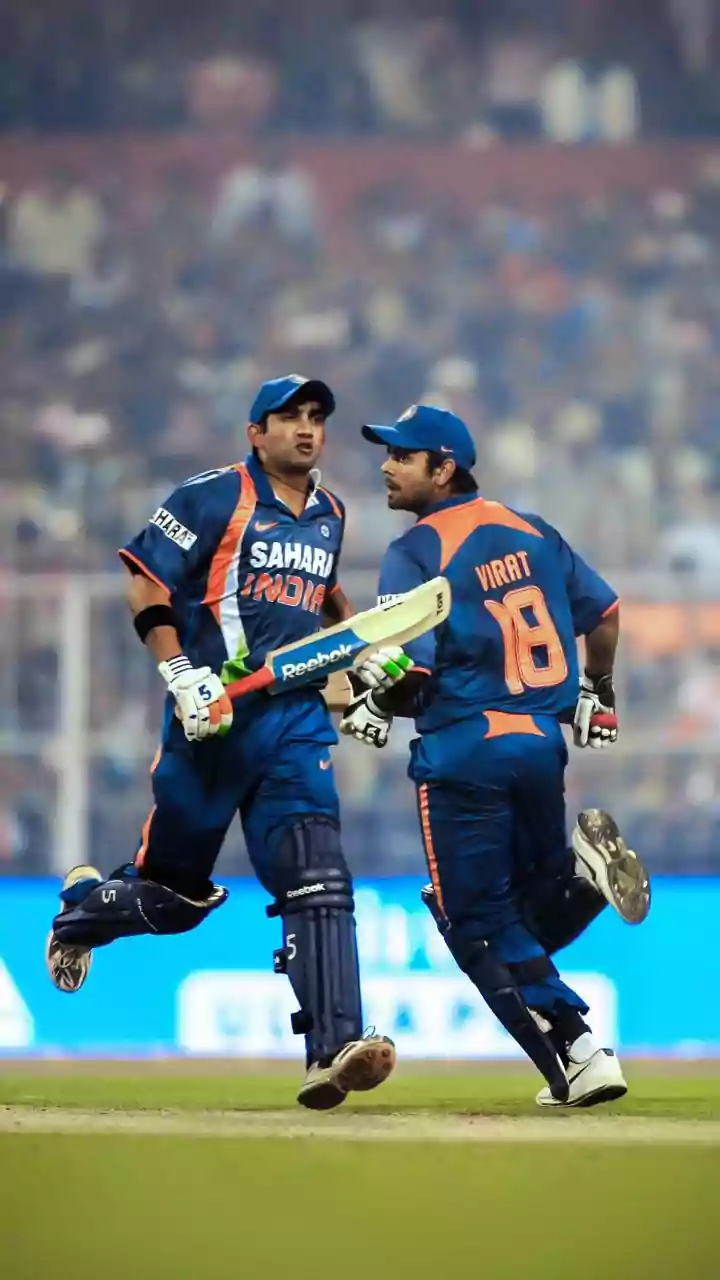
role in ensuring another successful year in the 50-over format. Despite the transition from Rohit Sharma to Shubman Gill as ODI captain - with KL Rahul also stepping in when required - India delivered consistent performances, winning 11 of their 14 matches.
The year began with a dominant 3-0 home series victory over England and culminated in a historic ICC Champions Trophy triumph. India went through the tournament unbeaten, becoming the first team to lift the Champions Trophy three times.
They followed it up with competitive outings in Australia, where they lost and a home series win against South Africa, underlining their depth and adaptability.
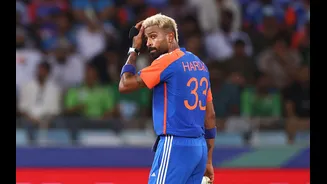
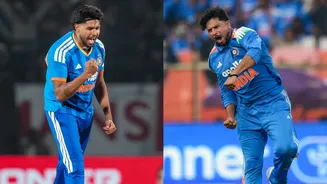
1) Harshit Rana: Leading India's wicket-taking charts in ODIs this year was fast bowler Harshit Rana. Making his ODI debut in February against England, Rana quickly silenced early critics who questioned his selection. The youngster finished 2025 with 20 wickets in 11 matches, emerging as India's most effective strike bowler. His economy rate of 6.01 and average of 25.55 reflected his ability to break partnerships, while a four-wicket haul highlighted his match-winning potential.
2) Kuldeep Yadav: Close behind him was left-arm wrist-spinner Kuldeep Yadav, who once again proved his value in white-ball cricket. Kuldeep picked up 19 wickets in 11 innings at an average of just under 30, maintaining an impressive economy rate of 5.28. His consistency through the middle overs played a crucial role in controlling opposition scoring rates across conditions.
3) Ravindra Jadeja: Veteran all-rounder Ravindra Jadeja occupied the third spot, claiming 12 wickets in 10 innings. Jadeja's impact went beyond numbers, as his accuracy and experience often created pressure at key moments.
4) Mohammed Shami: Fast bowler Mohammed Shami followed next with 11 wickets in seven innings. Despite a strong showing during the Champions Trophy, Shami found himself left out of the squad later in the year, a decision that sparked debate given his effectiveness.
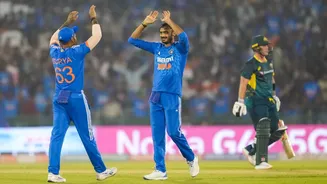
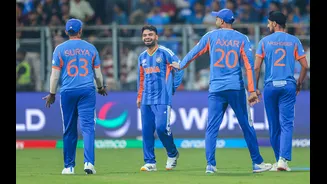
5) Axar Patel: Rounding off the top five was Axar Patel, who also took 11 wickets in 11 matches. Axar stood out for his remarkable control, finishing as the most economical bowler among India's leading wicket-takers with an economy rate of 4.47.
As India navigated a year of change in leadership, the bowling attack remained a pillar of strength. From Rana's breakthrough season to Kuldeep's reliability and Jadeja's experience, India's ODI success in 2025 was firmly built on a collective bowling effort that delivered across tournaments and continents.