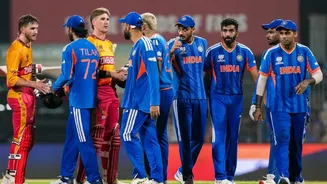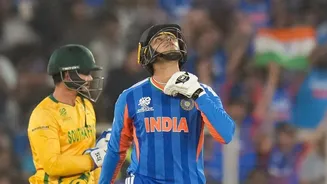





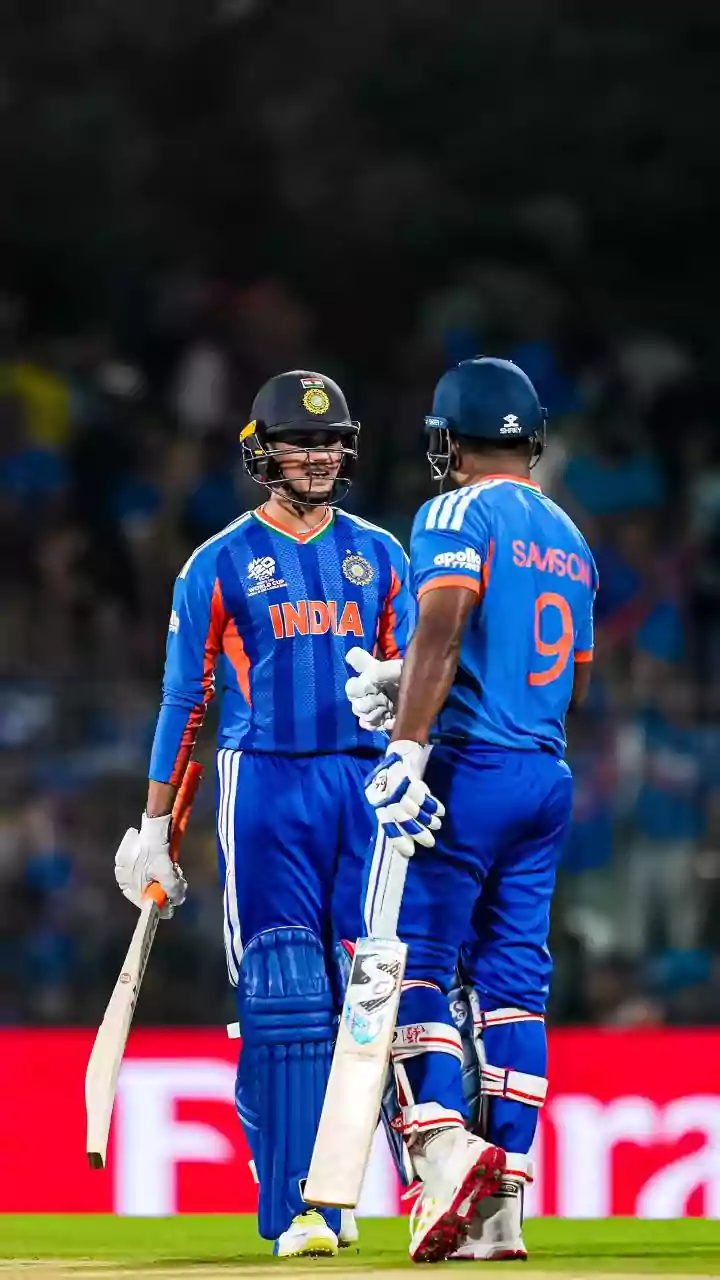


The India vs South Africa Super 8 clash was supposed to be a statement of intent from the hosts, but instead, it reinforced a terrifying trend in the T20
World Cup 2026 match on Sunday.
India's opening partnership stats in this tournament have become a major cause for concern, as the Men in Blue continue to lose early wickets with alarming regularity. With a combined opening stand average of just 6.8, the defending champions are essentially starting every match on the back foot.
Breakdown of the Dismal Opening Stands
The numbers tell a story of consistent failure. From the powerplay struggles in the India vs USA opener to the recent collapse against the Proteas, the top order has offered zero resistance. The T20 World Cup 2026 points table might show India at the top of their group, but that success has been built almost entirely on the shoulders of the middle order.
In T20 cricket, the Powerplay is designed for aggression, but India's openers have been stuck in survival mode-and failing at it. The opening partnership is currently averaging a measly 6.8 runs per match.
Why the India Openers' Poor Form is a Red Flag
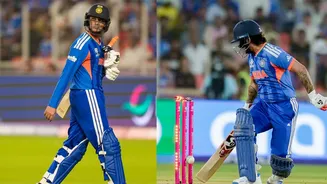
For fans tracking Abhishek Sharma stats in T20 World Cup, the picture is grim. The young southpaw has joined an unwanted record club, racking up multiple ducks in a single edition. The India openers' poor form isn't just about the low scores; it's the manner of the dismissals. Whether it's a lack of footwork against the moving ball or a failure to read off-spin in the powerplay, the technical lapses are glaring.
Ishan Kishan scored his first duck of the competition, while Abhishek Sharma broke his streak of three ducks in a row in this World Cup.
India's Opening Stands in T20 World Cup 2026
8(8) vs USA
25(12) vs Namibia
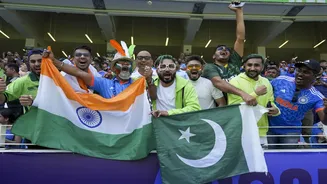
1(6) vs Pakistan
0(3) vs Netherlands
0(4) vs South Africa
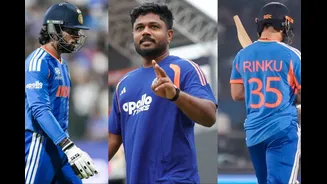
This "duck epidemic" - 4 ducks in 5 matches, has left the middle order, led by Suryakumar Yadav and Ishan Kishan, to perform rescue acts in nearly every fixture. While Suryakumar Yadav's captaincy has remained calm under pressure, the lack of a platform is preventing India from reaching those massive 200+ totals that are often required on flat tracks.