
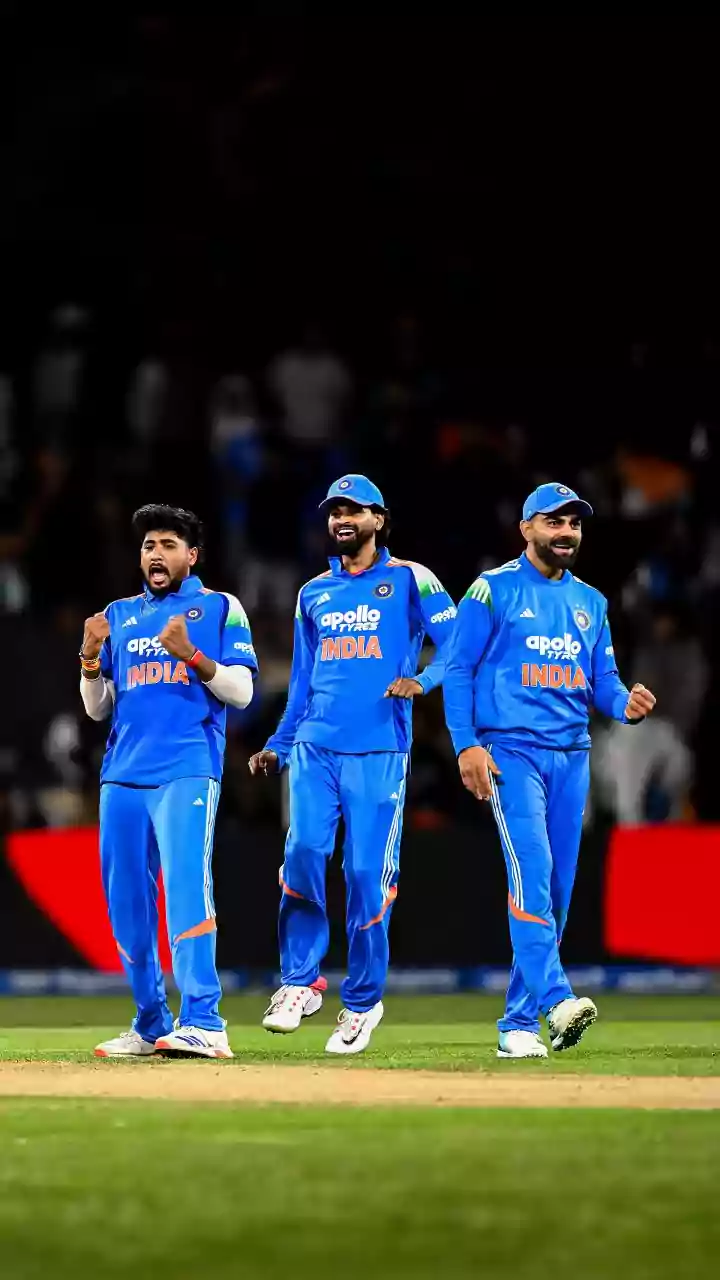





Mount Maunganui, Nov 15: Team India may have bounced back emphatically to clinch the ODI series in New Zealand, but their 22-run victory in the fifth and final
match at Mount Maunganui has not erased the concerns surrounding their batting.
A series win secured through a disciplined bowling performance was welcome, particularly after the humiliation in the previous game, but questions remain over the form of the senior batters and the team's ability to put together a convincing batting performance.
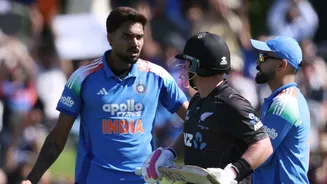
Team India defeated New Zealand by 22 runs after defending a modest total of 209, sealing the series 3-1. The third ODI had been abandoned due to rain, while India responded to their 244-run defeat in the previous match with a much-improved all-round effort.
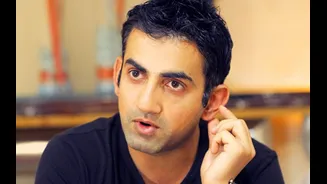
The result also ended New Zealand's remarkable run of 11 consecutive bilateral ODI series victories at home. The Black Caps had not lost a home ODI series since 2019, when India were also the opponents. It was a significant achievement for stand-in captain Shreyas Iyer and head coach Gautam Gambhir, who registered his first away ODI series victory as India's head coach.
Yet, beneath the celebrations, India's batting remains a concern.
Rohit Sharma and Virat Kohli fail again
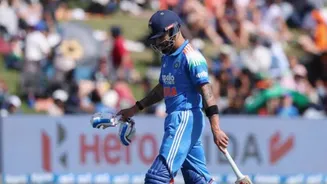
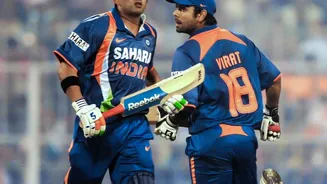
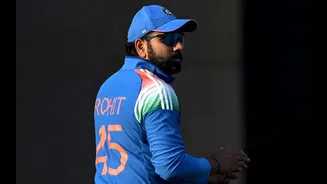
India's senior batting pair once again failed to deliver when the team needed them. Rohit Sharma managed just seven runs, while Virat Kohli was dismissed for five as India struggled to build momentum after being asked to bat first by opposition skipper Mitchell Santner.
The two veterans had endured a difficult outing in the previous ODI as well, both departing for ducks in the opening over of India's disastrous chase of 334. India were eventually bundled out for 89, suffering a crushing 244-run defeat.
Their numbers across the four completed matches in the series make for uncomfortable reading.
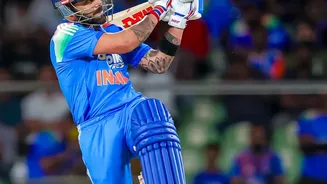
Rohit finished with just 30 runs from four innings, registering scores of 0, 23, 0 and 7. Kohli, meanwhile, accumulated 86 runs. After a fluent 74 in the opening ODI, the Delhi batter - who turned 38, only last week - managed only 7, 0 and 5 in the following three matches.
For Rohit, the series will invite particularly intense scrutiny. The veteran opener, who was reportedly been asked by the selectors to retire after the England series, has struggled to make an impact on this tour. With India's preparations for the 2027 ODI World Cup in South Africa gathering pace, his form and role will inevitably remain under discussion.
Kohli's numbers are better, largely because of his opening-match contribution, but three successive low scores after that 74 are hardly reassuring.
Both players are potentially approaching their final international tour of New Zealand, making their returns all the more disappointing.
Lower order gives India a crucial cushion
India's total of 209 looked well below par at the halfway stage, particularly after the top order failed to fire. Axar Patel and Ishan Kishan provided the main resistance with 46 runs apiece, while Shreyas Iyer contributed 22 and Naman Dhir added 22.
However, it was the contribution from the tail that proved crucial.
Mohammed Siraj remained unbeaten on 14, while Arshdeep Singh scored 14 off just four deliveries. Their 28-run contribution helped India cross the 200-run mark, a total that eventually proved sufficient.
In a low-scoring contest, those runs from the final two batters made a decisive difference. India were bowled out for 209 in 42.1 overs, with Mitchell Santner claiming three wickets and Jacob Duffy also taking three.
Iyer's faith in pace attack pays off
If India's batting created uncertainty, their bowling provided the answer.
New Zealand's top order appeared capable of building a successful chase, with Will Young scoring 22, Tim Seifert making 14, Nick Kelly adding 24 and Dean Foxcroft contributing 31. However, none of them converted their starts into a match-defining innings.
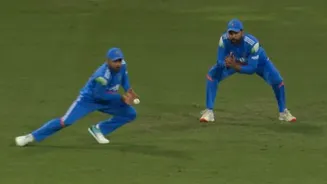
Stand-in captain Shreyas Iyer deserves credit for recognising the conditions and sticking with his seamers. With the surface and the conditions under lights offering assistance to the pacers, India delayed introducing spin until the 36th over, when Axar Patel was brought into the attack.
The decision worked in India's favour.
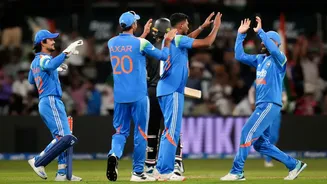
Arshdeep Singh led the attack with three wickets for 30 runs in his 10 overs, while Mohammed Siraj picked up two wickets. Yash Thakur and Auqib Nabi also contributed with a wicket apiece, and Axar finished with two wickets, including the final dismissal of Blair Tickner.
New Zealand were eventually bowled out for 187 in 48.1 overs, falling 22 runs short. The home side's inability to turn promising starts into substantial partnerships ultimately cost them.
India's comeback in the fifth ODI was particularly important given the manner of their previous defeat. Being bowled out for 89 while chasing 334 had exposed serious batting vulnerabilities and raised questions about the team's approach.
The response in the final ODI showed character, with the bowlers defending a modest total under pressure. But one improved performance cannot completely answer the concerns that have followed India's batting throughout the series.
The series is India's, and the bowling unit deserves considerable credit for securing it. However, with the 2027 World Cup less than a year away, the performances of Rohit and Kohli, along with the broader batting inconsistencies, will remain under the spotlight.
India have won in New Zealand. The bigger challenge now is ensuring that the questions raised during the tour do not follow them into their World Cup preparations.