




The IPL has always been a breeding ground for innovation, but the 2026 season has taken tactical experimentation to a new level. With scoring rates reaching
unprecedented heights and teams exploiting the Impact Player rule more aggressively than ever, franchises have been forced to rethink conventional strategies.
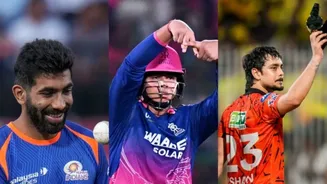
From Mumbai Indians' decision to unleash Jasprit Bumrah with the new ball to Rajasthan Royals' carefully structured batting blueprint and Sunrisers Hyderabad's flexible bowling match-ups, several tactical trends have defined the season.
Mumbai Indians turn Bumrah into a powerplay enforcer
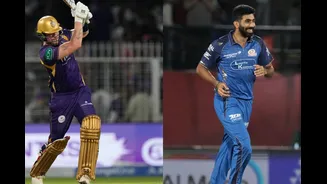
For years, Mumbai Indians preserved Jasprit Bumrah primarily for the death overs. In IPL 2026, however, they flipped the script.
With teams routinely scoring at breakneck pace in the powerplay, MI began deploying Bumrah in the opening over to target opposition top-order batters before they could settle. The strategy was designed to halt momentum at its source rather than attempting damage control later in the innings.
The move highlighted how franchises have adapted to an era where powerplay scoring often dictates the outcome of matches. Early wickets became more valuable than saving overs for the final stages, particularly against explosive batting line-ups capable of posting 70-plus runs inside six overs.
While even Bumrah occasionally found it difficult to contain ultra-aggressive batting approaches this season, Mumbai's willingness to use their premier fast bowler as an attacking weapon rather than a defensive option represented one of the campaign's most notable tactical shifts.
Rajasthan Royals embrace structured aggression
Rajasthan Royals have arguably produced the season's most sophisticated batting model.
Rather than asking every batter to attack from the outset, RR built a role-based structure that balances stability with explosive finishing power. Batters were assigned clear responsibilities depending on match situations, ensuring the team could maintain scoring momentum without exposing itself to collapses.
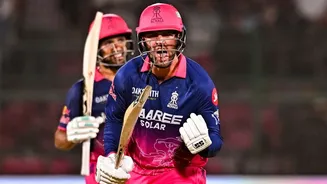
The approach has allowed aggressive talents such as Vaibhav Sooryavanshi to play with complete freedom while experienced players around him provide balance. Anchors have been tasked with maintaining tempo through the middle overs before finishers accelerate dramatically during the closing stages.
The success of the strategy has been reflected in Sooryavanshi's record-breaking campaign. The teenage sensation has shattered bowling attacks across the country while operating within a system that reduces pressure on him to single-handedly carry the innings.
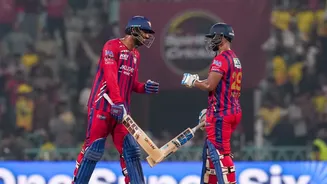
One of the clearest examples came during Rajasthan's successful chase against Lucknow Super Giants, where Sooryavanshi's breathtaking 93 off 38 balls was complemented by measured support from the middle order before the Royals closed out the target comfortably.
The model demonstrates that in an era dominated by six-hitting, controlled aggression can be just as effective as relentless attacking cricket.
Sunrisers Hyderabad master pitch-specific match-ups
While many teams have relied on batting firepower, Sunrisers Hyderabad found success through adaptability.
With Ishan Kishan leading the side during parts of the season, SRH frequently adjusted their bowling plans according to conditions rather than sticking rigidly to pre-determined roles. On slower surfaces, particularly venues such as Chennai, they reduced pace, introduced spin early, and used part-time options to disrupt opposition rhythm.
The strategy reflected a growing trend across the tournament: teams increasingly prioritising match-ups over traditional bowling hierarchies.
Instead of automatically allocating overs based on reputation, SRH regularly selected bowlers according to surface characteristics and batter weaknesses. The willingness to change plans mid-innings helped them remain competitive even when tosses or conditions worked against them.
Kishan's captaincy was particularly notable given Hyderabad's struggles at the toss throughout the season. Despite repeatedly finding themselves on the wrong side of the coin, tactical flexibility ensured the franchise remained among the strongest teams in the competition.
IPL 2026 Impact Player rule continues to reshape strategy
Underlying all of these innovations is the continued influence of the Impact Player rule.
Teams now build line-ups with specialist phases in mind, knowing they can replace players according to match situations. Captains are more willing to attack early with bowlers, bat deeper, or deploy specialist finishers because substitutes provide additional flexibility.
The result has been a tournament defined by bold tactical calls, higher scoring rates and increasingly specialised player roles.
As IPL 2026 enters its final stretch, the franchises thriving are not necessarily those with the biggest stars, but those willing to adapt quickest to a format that continues to evolve faster than ever before.