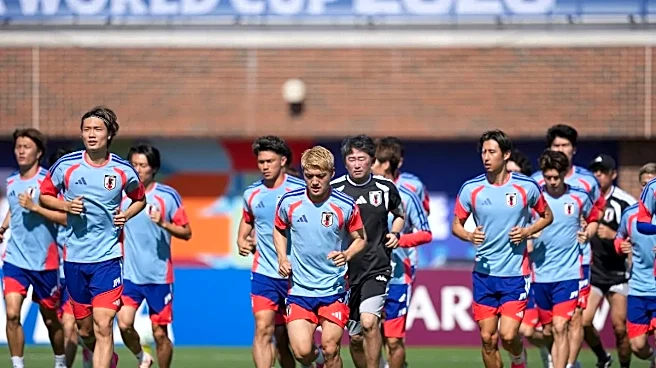



Japan and Sweden both advanced to the World Cup knockout phase after a 1-1 draw in their final Group F match at Dallas Stadium, a result that confirmed Japan as runners-up behind the Netherlands and left Sweden progressing as one of the best third-placed sides, though Sweden’s final ranking in that table still depended on other late group results.
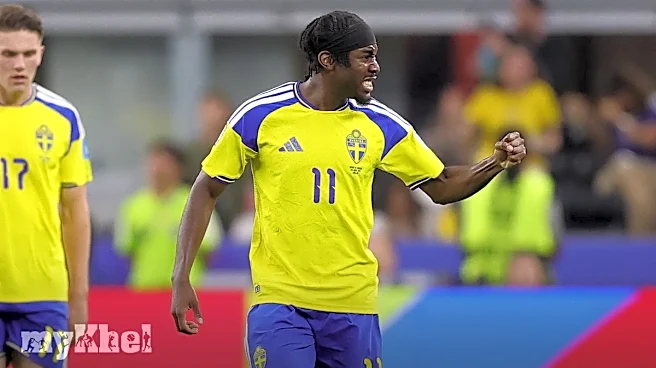
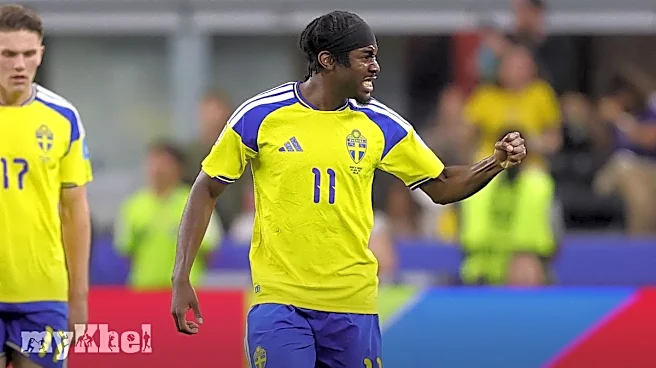
Daizen Maeda and Anthony Elanga delivered the key moments in a second half that contrasted sharply with a quiet opening period, as Maeda struck first on 56 minutes before Elanga replied six minutes later, and despite late openings for both teams neither side could produce a decisive goal during a frantic finish.
Japan’s point ensured a second-place finish in Group F and set up a last-32 meeting with
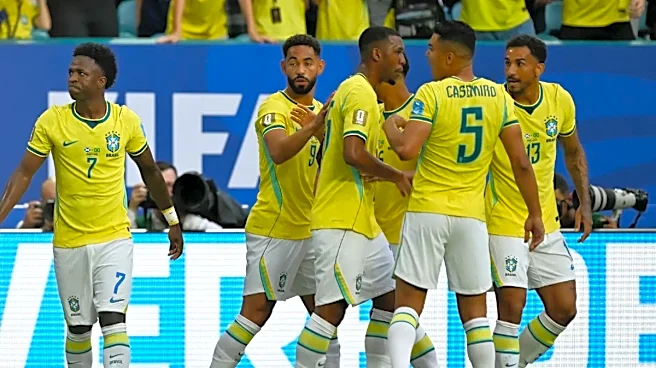
Brazil, while Sweden’s draw secured progress from the group as things stood, lining up a clash against France, although Sweden’s exact seeding among the best third-placed nations could still shift with remaining fixtures in other pools.
For Japan, this campaign marked only the second time the national team completed a World Cup group stage without defeat, matching the achievement from 2002 when Japan co-hosted the tournament, and the unbeaten run in three games (two wins, one draw) underlined the spread of attacking contributions across the squad.
Japan’s scoring pattern has been notably shared, with 10 different players either scoring or assisting so far, which ties Japan with Germany for the highest number of individual goal contributors at this tournament and improves on Japan’s previous World Cup best of eight players involved in goals during the four-match 2022 campaign.
Sweden continued a distinct attacking trend of long-range finishing, as Elanga’s strike became the team’s fourth goal from outside the penalty area at this World Cup, double the tally managed by any other side so far, with Cape Verde and France next on that list with two such goals each.
Japan and Sweden World Cup historical context
Elanga’s goal also carried historical significance for Sweden, since it meant Elanga became the first Sweden player to score in consecutive World Cup games since Martin Dahlin and Kennet Andersson achieved that feat during the 1994 tournament, highlighting Elanga’s growing influence in Graham Potter’s attacking setup across this group campaign.
That long-range goal helped Sweden match a benchmark last seen in 2006, because the last team to score four times from distance during a World Cup group stage was Brazil, and Sweden’s ability to strike from range has provided an extra threat even when clear chances inside the box have been limited.
Japan might feel slightly disappointed with the outcome when considering underlying numbers, since Japan produced eight attempts worth 1.31 expected goals, while Sweden’s 10 shots totalled only 0.42 expected goals, which shows Japan generated the clearer openings despite the scoreline remaining level at full-time.
Early on, Sweden tested Japan first when Alexander Bernhardsson drew a save from Zion Suzuki, yet both sides then found it difficult to break through organised defences during a slow first half, with tension and the high stakes of qualification clearly affecting attacking fluency for long spells.
Japan gradually created the better chances before the interval, as Jacob Widell Zetterstrom parried a long-range effort from Yukinari Sugawara and then reacted sharply again when Keito Nakamura finished a fluent Japan move with a low drive that the Sweden goalkeeper pushed past the post.
That late first-half momentum carried into the second period, and Japan soon led when Maeda timed a run behind the Sweden backline to meet Ritsu Doan’s precise through ball before guiding a composed finish into the bottom-left corner, capping a swift move that rewarded Japan’s increased attacking intent after the restart.
Sweden answered quickly, with Elanga cutting inside onto a left-footed shot from distance that flew beyond Suzuki for a powerful equaliser and Elanga’s second goal of the tournament, and Sweden nearly completed a rapid turnaround when Alexander Isak forced another fine save as Suzuki tipped the striker’s effort behind.
Both teams continued to trade opportunities in the closing stages, with Gustaf Lagerbielke heading wide and Koki Ogawa unable to trouble Zetterstrom, before Sweden created two major chances in stoppage time, when Suzuki first diverted Elanga’s strike behind and then touched Isak’s close-range header onto the crossbar from the resulting corner.
FIFA2026 3 SAMURAI BLUE 1-1NHK DAZN@FIFAWorldCup# # pic.twitter.com/X86d0uf1LJ(@jfa_samuraiblue) June 26, 2026
As referee Ivan Barton ended the contest, both Japan and Sweden could reflect on a result that met the core objective of progressing to the last 32, with Japan’s balanced attacking record and Sweden’s accurate long-range shooting standing out as key themes heading into demanding knockout fixtures against Brazil and France.