
/images/ppid_a911dc6a-image-177771452570035836.webp)


Formula 1 will look slightly different from the 2026 Miami Grand Prix onwards after the FIA introduced a series of targeted regulation tweaks aimed at improving safety and reducing extreme energy management tactics.
These so-called "scalpel" changes are not a full rules overhaul, but small technical adjustments designed to address driver complaints about the new 2026 power units and racing behaviour.
Here's a breakdown of what's changing and why it matters.
Why F1 introduced new rules ahead of the Miami GP
The FIA introduced these changes after several drivers raised concerns about excessive energy management in the early races of the 2026 season.
Many drivers complained about having to constantly lift off the throttle to recharge batteries - a tactic known as "lift-and-coast" - which made racing
less natural and sometimes created large speed differences between cars.
Officials also identified safety concerns, particularly in wet conditions, where high electrical boost power could make cars harder to control.
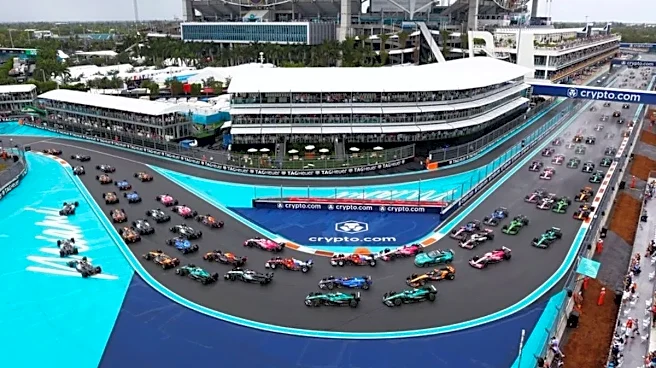
The Miami Grand Prix marks the first race where these updated rules will officially apply.
Reduced battery recharge limit in qualifying
One of the biggest changes involves limiting how much energy drivers can recover during qualifying laps.
The maximum battery recharge allowed in qualifying has been reduced from 8 megajoules (MJ) to 7MJ.
This change aims to reduce extreme recharging strategies that forced drivers to slow down mid-lap to build battery energy. By lowering the recharge allowance, the FIA hopes to make qualifying laps more consistent and closer to full-speed runs.
In simple terms, drivers should now be able to push harder instead of constantly managing battery levels.
Boost mode banned in wet conditions
Another major safety-related change involves the use of electrical boost power.
The FIA has banned the use of the high-power 350kW boost mode during wet races. This decision was made because high torque levels in slippery conditions can make cars unstable and increase the risk of accidents.
Wet-weather racing already presents limited grip, and removing the boost function is intended to improve control and reduce sudden wheelspin.
Increased peak power to improve racing speed
While some restrictions have been introduced, the FIA has also increased peak "superclip" electrical power from 250kW to 350kW in certain situations.
This increase is designed to improve acceleration and allow drivers to race more aggressively without relying heavily on battery-saving techniques.
The aim is to create faster, more competitive laps - especially in qualifying sessions.
Changes to energy deployment across the lap
The FIA has also adjusted how electrical energy can be deployed during different phases of a lap.
Previously, drivers sometimes experienced uneven energy delivery depending on throttle position or corner exit behaviour. The new rules aim to smooth out power deployment and reduce unexpected drops in speed on straights.
This change is expected to reduce the so-called "yo-yo racing" effect, where cars alternated between fast and slow speeds depending on battery levels.
What these changes mean for teams and drivers
Although these updates may seem minor, even small regulation tweaks can affect performance across the grid.
Different teams design their engines and battery systems in unique ways, so reducing recharge limits or changing deployment rules may benefit some teams while disadvantaging others.
Mercedes, for example, had been particularly efficient with battery usage earlier in the season, meaning rivals could potentially close the gap under the revised rules.
However, most teams expect the impact to be gradual rather than dramatic.
Will racing improve after the Miami changes?
The overall goal of the FIA's tweaks is to make racing more natural and more competitive.
Drivers should be able to push harder without constantly conserving energy, which could lead to more consistent lap times and better on-track battles.
Qualifying sessions, in particular, are expected to look more "flat-out" again - meaning drivers will rely less on complex battery strategies and more on outright speed.
While Miami itself is not known for heavy overtaking, the new rules could still create more strategic racing decisions about when and where to deploy energy.
Why Miami could reset the competitive order
The timing of these changes also makes the Miami Grand Prix particularly important.
Several teams are bringing major upgrades to their cars, and the new regulations mean everyone must quickly adapt to revised energy management strategies.
Because the rules slightly alter how power units behave, the competitive order could shift - even if only by small margins.
For fans, the Miami GP could effectively mark the start of a new phase in the 2026 Formula 1 season.