
/images/ppid_a911dc6a-image-177877020961574128.webp)
/images/ppid_59c68470-image-177877003339376136.webp)
/images/ppid_59c68470-image-177877007588774352.webp)
The Kolkata Knight Riders are navigating a monumental transitional phase. With Shreyas Iyer having transferred to Kings Punjab and the legendary Andre Russell hanging up his boots, the franchise's tactical blueprint requires a complete overhaul. To remain competitive and rebuild a championship-winning core, KKR must make ruthless decisions at the retention table to free up crucial auction purse.
Ahead of the next bidding war, here is a detailed analysis of the five players KKR must release to optimize their squad balance.
Cameron Green
While Cameron Green is undeniably a generational talent, his massive auction price creates an unbalanced wage bill for the franchise. In T20 cricket, tying up a massive chunk of the auction purse on a single overseas all-rounder
is a high-risk strategy, especially when looking to rebuild a squad post-Russell.
Green has shown flashes of brilliance, but his output has not consistently justified the premium price tag in the unforgiving conditions of Eden Gardens. By releasing Green, KKR instantly unlocks a massive reserve of funds, allowing them to target two or three specialized, high-impact players.
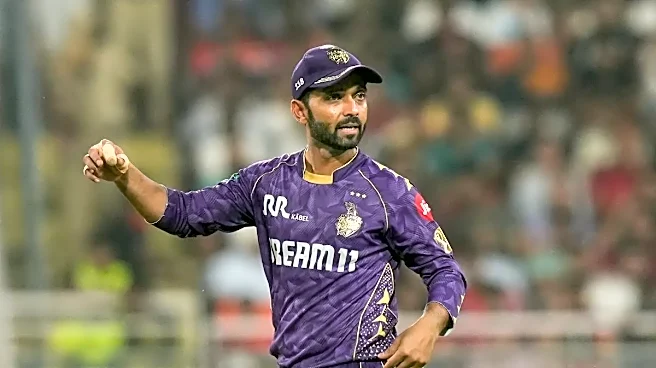
Ajinkya Rahane
Ajinkya Rahane has been a magnificent servant to Indian cricket, but the evolution of the T20 format has rapidly outpaced traditional anchors. KKR's historical success at Eden Gardens has relied on fearless, ultra-aggressive top-order batting.
Rahane's approach taking time to build an innings often puts undue pressure on the middle order. In a landscape where powerplay totals routinely cross 60 or 70 runs, occupying the crease at a strike rate hovering around 120 is a luxury KKR can no longer afford. Releasing the veteran will allow the management to invest in young, dynamic domestic openers who can maximize the field restrictions from ball one.
Blessing Muzarabani
The Zimbabwean speedster possesses excellent height, bounce, and a lethal yorker, but utilizing an overseas slot for a fast bowler who isn't a guaranteed starter creates structural inefficiencies. IPL teams typically require their overseas pacers to be outright match-winners, capable of leading the attack single-handedly.
Muzarabani has struggled to find consistent rhythm on the flatter Indian decks, often leaking runs during the critical death overs. With overseas slots being at an absolute premium, KKR would be better served releasing Muzarabani and scouring a different player.
Vaibhav Arora
Vaibhav Arora showed immense promise with the new ball, swinging it both ways and troubling top-order batters. However, his progression seems to have plateaued. The modern IPL demands multi-dimensional fast bowlers who can deliver back-of-the-length slower balls, wide yorkers, and handle the pressure of the 18th and 20th overs.
Arora is primarily a powerplay specialist. Once the ball stops swinging, his economy rate skyrockets, making him a liability in the middle and death overs.
Ramandeep Singh
Finishing a T20 innings is arguably the toughest job in the sport. Ramandeep Singh was brought in to provide late-order fireworks and chip in with a few overs of medium pace. Unfortunately, his impact has been largely sporadic.
Ramandeep often requires a few deliveries to get his eye in, a luxury late-order batters rarely receive. Furthermore, his bowling has not been potent enough to earn him the status of a dependable sixth bowling option. Releasing Ramandeep gives KKR the flexibility to either draft a specialist Indian power-hitter for the death overs.
/images/ppid_a911dc6a-image-177877283152725613.webp)


/images/ppid_59c68470-image-177877256229869995.webp)



/images/ppid_59c68470-image-177877252873442125.webp)