
The death of Ajit Pawar in a plane crash near Baramati has left Maharashtra in shock. Beyond politics, Pawar's absence is being felt deeply in Indian sport, where his influence extended well beyond ceremonial roles.
Over the years, he played a decisive part in building athlete security, expanding infrastructure, strengthening governance, and positioning Maharashtra as one of India's most reliable sporting powerhouses.
Here are five ways Ajit Pawar left a lasting imprint on Indian sport.
1. Turning Athlete Welfare Into State Policy
One of Pawar's most significant contributions was pushing athlete welfare from rhetoric into enforceable policy. Under his watch, Maharashtra moved toward providing government jobs for medal-winning athletes at national and international levels, a rare but crucial
step in addressing post-career uncertainty.
Medical insurance coverage, revised sports awards, and stronger financial incentives reduced the risk athletes often face after retirement. These measures didn't just reward success; they made high-performance sport a more sustainable choice for families across socio-economic backgrounds.
2. Taking Sports Infrastructure Beyond Metro Cities
Pawar believed talent should not be geography-dependent. While he ensured continued investment in elite venues like the Shiv Chhatrapati Sports Complex at Balewadi, his larger push focused on district- and taluka-level facilities.
By expanding and maintaining sports complexes across rural Maharashtra, he reduced early migration pressures on young athletes and widened the state's competitive base. Equally important was his insistence on maintenance funding, preventing the post-event decay that plagues many Indian sporting venues.
3. Strengthening Sports Governance Through Continuity
In a landscape often marked by short tenures and fragmented authority, Pawar provided stability. His repeated leadership roles within the Maharashtra Olympic Association helped align multiple federations under a shared long-term vision.
This continuity improved coordination between Olympic and non-Olympic sports, ensured more predictable funding flows, and allowed athlete development pathways to mature over time rather than reset with each administrative change.
4. Using Global Events to Raise Domestic Standards
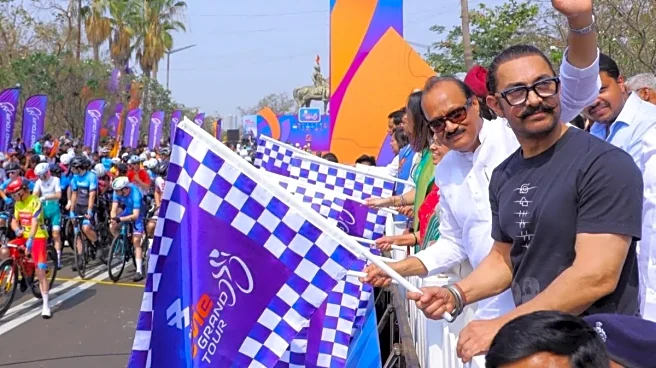
Pawar viewed international events as tools for systemic improvement rather than prestige projects. Maharashtra's hosting of ATP-level tennis and initiatives like the Pune Grand Tour 2026 reflected this thinking.
Such events brought global benchmarks closer to Indian athletes, justified infrastructure investment, and strengthened sports tourism. More importantly, they exposed local athletes, officials, and organisers to international standards without requiring overseas relocation.
5. Backing Indigenous Sports With Financial and Cultural Support
While global exposure mattered, Pawar never sidelined traditional Indian sports. His support for kabaddi and wrestling included increased cash rewards, higher honorariums for titles like Hind Kesari and Maharashtra Kesari, and institutional backing at grassroots levels.
This dual approach- modernising elite sport while protecting indigenous traditions helped Maharashtra retain its dominance in kabaddi and maintain cultural continuity alongside professional growth.
Ajit Pawar's impact on Indian sport was not about individual medals or one-off events. It was about systems that endure: athlete protection, decentralised infrastructure, administrative stability, and balanced growth across disciplines.
His death marks the end of a rare political chapter where sport was treated as long-term public policy. The structures he helped build, however, will continue shaping Maharashtra and Indian sport for years to come.


/images/ppid_59c68470-image-177088252673355494.webp)