
The Board of Control for Cricket in India (BCCI) is expected to announce its new central contract for the 2025-26 season.
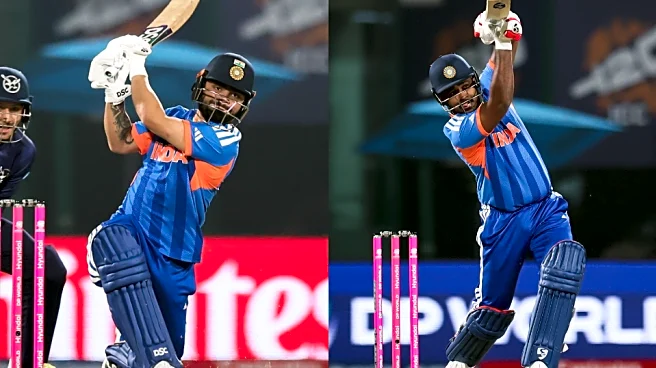
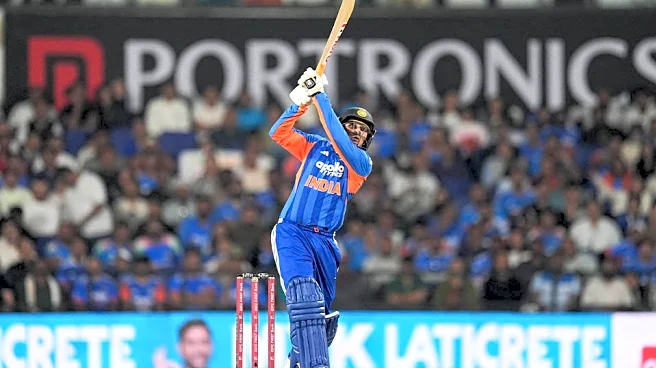
Rohit Sharma, Virat Kohli are expected to be demoted to Grade A for their limited involvement, while Shubman Gill may spearhead the Grade A+ category after his ascendence as captain across two formats.
Although Indian players are paid a fortune these days, things were not the same at the turn of this century. Indian players used to only receive a match fee and there was no central contract in the fray. An injured player out of the team would have no payment from BCCI, and financial insecurity lingered among the players, until the BCCI implemented the annual retention.
When did BCCI introduce its first Central Contract for Players?
BCCI introduced its central contract system for senior men's
cricketers in 2004, marking a pivotal shift towards professionalizing Indian cricket. The central contract was divided in three categories - A, B and C. The Category A players had the highest earning at ₹50 lakh, while B and C players earned ₹35 lakh and ₹20 lakh respectively.
The system was formalized in September 2004, with contracts set to be signed shortly after, providing players with annual retainers for the first time. This came after prolonged discussions spanning over two years, addressing long-standing demands for financial security amid rising injuries and inconsistent earnings from match fees alone.
Prior to this, Indian players relied primarily on match fees, around ₹2.7 lakh for Tests and ₹2.21 lakh for ODIs in the early 2000s, including sponsorship components, with no guaranteed income during injuries or non-selection periods.
The new system ensured stability, especially for injured players who would continue receiving retainers during recovery.
What is the BCCI Central Contract Now?
Currently, there are four grades - A+ (₹7 crore), A (₹5 crore), B (₹3 crore), and C (₹1 crore) - with retainers paid separately from match fees, which is ₹15 lakh per Test, ₹6 lakh per ODI, ₹3 lakh per T20I as of recent seasons.
The contracts run from October 1 to September 30 each year, reviewed annually by the BCCI in consultation with selectors and team management. Additional perks include medical coverage, priority for national duty, and mandates to play domestic cricket when available. Over the years, the system has evolved with significant pay hikes, reflecting the BCCI's growing revenues from media rights and the IPL, ensuring top players focus on cricket without financial worries.
/images/ppid_a911dc6a-image-177101752951095973.webp)



/images/ppid_a911dc6a-image-177101403147018469.webp)
/images/ppid_a911dc6a-image-177101053501199609.webp)
/images/ppid_59c68470-image-177101003680064644.webp)