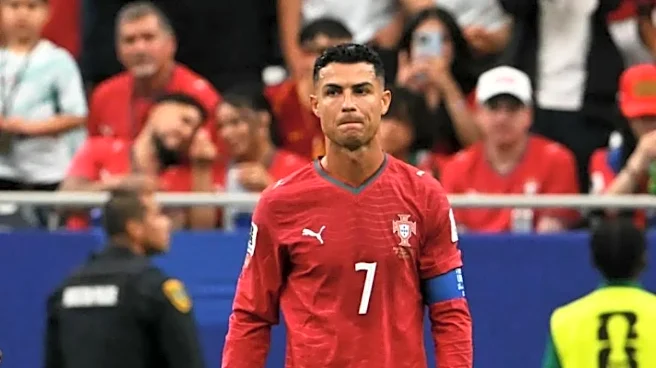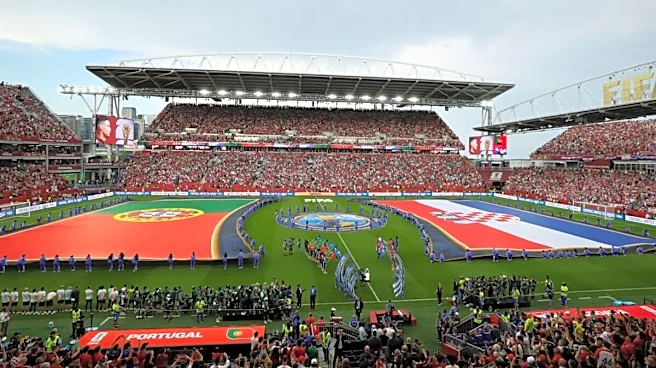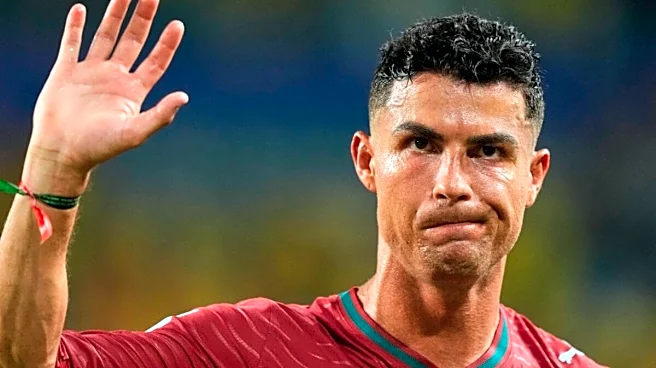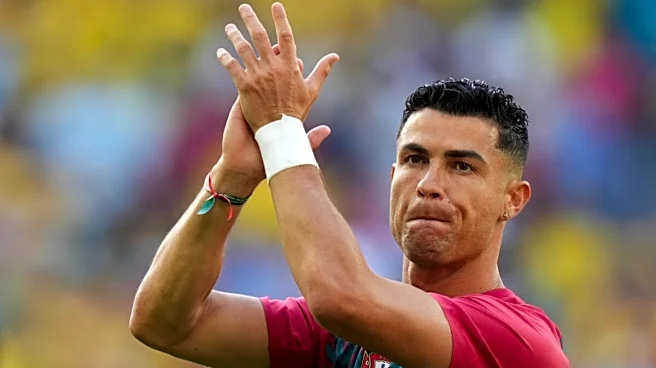





Croatia's World Cup campaign ended in anguish after a stoppage-time equaliser against Portugal was ruled out by VAR in a round-of-32 tie dominated by one of the tournament's most debated technology calls. Portugal advanced with a 2-1 win, but the lasting image was not the decisive goal. It was Croatia's players and supporters reacting in disbelief after Josko Gvardiol's late finish was chalked off.
The decision came in the 103rd minute at BMO Field, when Croatia appeared to have forced extra time. A cross from the left reached Mario Pasalic, who nudged the ball into Gvardiol's path for a close-range conversion. The celebrations were brief. Officials reviewed a possible offside after ball-tracking audio technology detected a faint touch from Igor
Matanovic before Pasalic received the ball.
That touch placed Pasalic in an offside position, according to the officials. Referee Espen Eskas was asked to check the pitchside monitor, an unusual sight for an offside-related decision, before disallowing the goal. Portugal survived the final moments and moved into a last-16 meeting with Spain, while Croatia was left to process another painful exit shaped by fine margins.
Portugal Survive After Croatia's Late VAR Setback
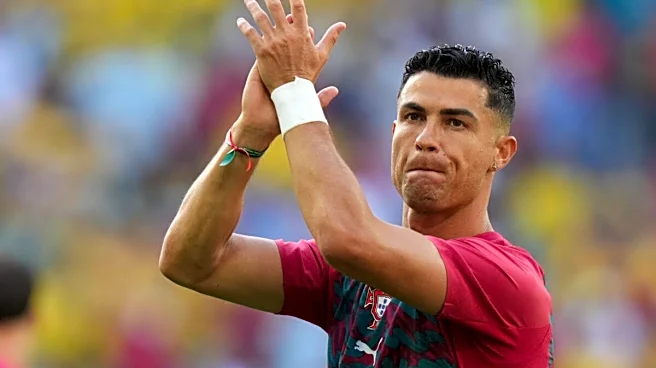
The match had already swung sharply before the late controversy. Croatia struck first through Ivan Perisic, whose 53rd-minute finish gave Zlatko Dalic's side a platform to manage the game. Portugal responded through Cristiano Ronaldo, who converted from the penalty spot to bring his side level and shift pressure back onto a Croatian team fighting to extend its tournament life.
Portugal then believed they had settled the contest in the 94th minute when Goncalo Ramos headed in to make it 2-1. Croatia, though, refused to fold. Their late push pinned Portugal back and produced the moment that looked set to send the tie into extra time, only for the VAR process to intervene after Gvardiol had put the ball in the net.
The central question was not whether Pasalic was ahead of the last defender when he received the ball. The debate focused on whether Matanovic had touched it at all. The contact was so slight that it was difficult to identify on standard replays, but the connected-ball system indicated a flick from the Croatian forward as the cross entered the penalty area.
That evidence proved decisive. Under the offside law, the moment that matters is when the ball is last played or touched by a teammate. If Matanovic made even a minor contact, Pasalic's position at that instant became relevant. Once officials accepted the touch, the goal had to be ruled out if Pasalic was beyond the defensive line.
Debate Around Sensor Technologies & VAR Reignites
The incident brought renewed attention to the sensor technology inside the tournament ball, often compared with Snicko in cricket. The system is designed to detect tiny contacts that may not be clear to the naked eye. In this case, it was used to establish whether Matanovic had glanced the delivery before Pasalic became involved in the move.
For Croatia, the frustration was easy to understand. A World Cup knockout equaliser was overturned not because of a clear visible touch, but because of a technological reading. For Portugal, the decision was a lawful correction. The gap between those two positions explains why the incident immediately became one of the most contentious moments of the knockout stage.
Former referee Darren Cann, offering post-match analysis for the BBC, backed the decision. In a message read out by presenter Mark Chapman, Cann said: "He was offside when the ball was last played by a teammate and the ball was deflected by the defender and not deliberately played, so the offside stands. He added: "Snicko, that 100 percent proves that he touched it with the flick-on.
The distinction between a deflection and a deliberate play by a defender is important. If a defender deliberately plays the ball, an attacker's earlier offside position may no longer be punishable. If the ball merely deflects off a defender after a teammate's touch, the offside offence can still apply. Officials judged the Portuguese defender's involvement as a deflection, not a deliberate reset.
Croatian Fans Throw Water Bottles Over 'Rigged' Refereeing Decision
The decision sparked an angry reaction from Croatia supporters inside the stadium. Water bottles were thrown onto the pitch, forcing a delay before play could restart. Perisic, one of Croatia's most experienced players, went across to calm the crowd as tempers rose. Replays were then shown on the big screen, apparently to explain the offside call to supporters.
That did little to soften the emotional blow for Croatia. Mateo Kovacic was in tears after the final whistle and had to be consoled by teammates. The defeat also marked the end of Luka Modric's World Cup journey, with the 40-year-old captain having led Croatia through the country's finest era on the global stage.
Modric's international legacy was already secure before this match. Croatia reached the 2018 World Cup final and followed it with a semi-final appearance in 2022, an extraordinary run for a nation with a modest population and a remarkable midfield tradition. This exit, however, came with the sting of a decision that will be replayed long after the tournament moves on.
Portugal will focus on recovery before facing Spain, knowing they survived a chaotic finish and a serious Croatian challenge. Croatia leaves with pride, frustration, and a sense of unfinished business. The law may have been applied correctly, but the moment underlined a familiar truth of modern football: technology can settle decisions without ending the argument.