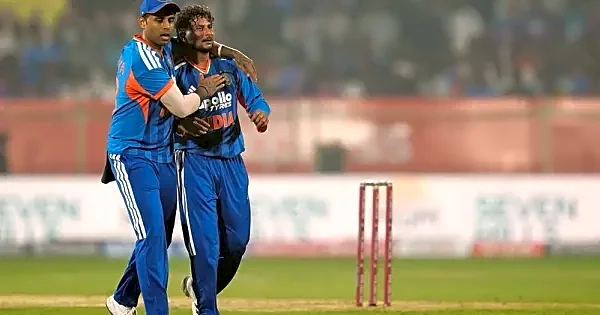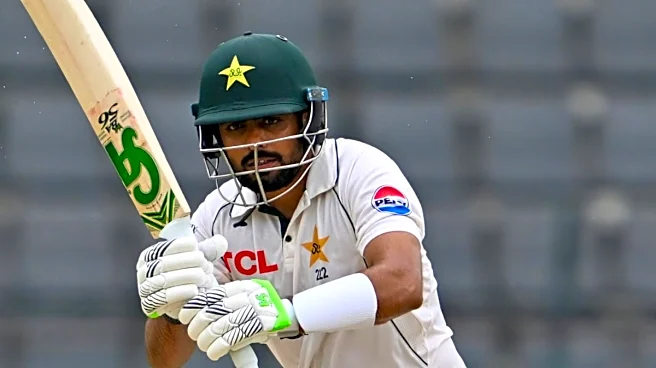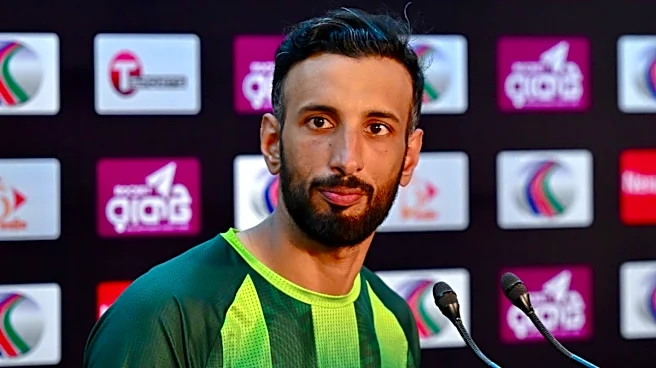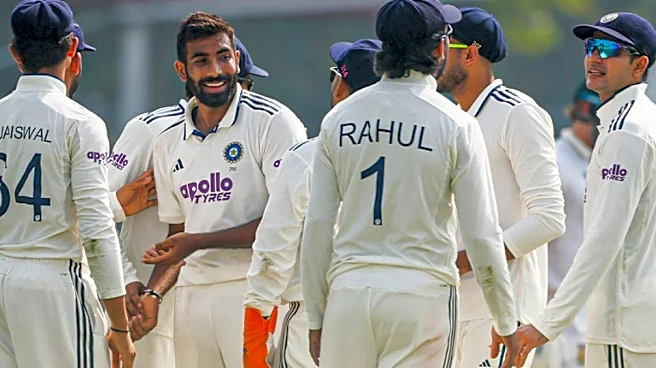

For decades, Pakistan's identity in Test cricket was built around fast bowling.
From the destructive brilliance of Wasim Akram and Waqar Younis to the raw hostility of Shoaib Akhtar, Pakistan were once considered the ultimate pace-bowling factory in world cricket. But the numbers now paint a completely different picture.
According to ESPNcricinfo StatsGuru data since January 2022, Pakistan's pace bowlers average a worrying 37.32 runs per wicket in Test cricket - the second-worst among all Test-playing nations, ahead of only Ireland.
At a time when countries like India, Australia and South Africa continue investing aggressively in fast-bowling depth and youth pathways, Pakistan's decline has exposed deeper structural concerns surrounding injuries,
workload management, development systems and tactical planning.
South Africa and Australia Setting the Benchmark
Modern Test cricket continues to revolve around elite fast-bowling attacks, and the current global numbers prove exactly why.
South Africa lead all nations with an outstanding pace-bowling average of 23.78, while Australia follow closely at 24.34. India remain competitive at 28.00, reflecting the depth they have built across conditions over the last decade.
Pakistan, meanwhile, sit alarmingly close to the bottom.
Team Pace Bowling Average in Tests Since 2022
| Rank | Team | Pace Bowling Average |
|---|---|---|
| 1 | South Africa | 23.78 |
| 2 | Australia | 24.34 |
| 3 | India | 28.00 |
| 4 | England | 28.33 |
| 5 | New Zealand | 28.53 |
| 6 | Sri Lanka | 29.53 |
| 7 | West Indies | 30.28 |
| 8 | Bangladesh | 34.87 |
| 9 | Zimbabwe | 35.87 |
| 10 | Afghanistan | 36.43 |
| 11 | Pakistan | 37.32 |
| 12 | Ireland | 40.01 |
The contrast between Pakistan and the leading pace nations highlights how dramatically their traditional strength has deteriorated.
Injuries Have Crippled Pakistan's Core
Pakistan's pace decline cannot be understood without discussing injuries. The team's premier fast bowlers - Shaheen Shah Afridi and Naseem Shah - have both missed significant periods due to fitness concerns.
Afridi's knee issues and workload management problems have repeatedly interrupted his rhythm, while Naseem's recurring stress fracture problems have limited Pakistan's ability to build a stable pace partnership around him.
Without continuity, Pakistan's attack has lacked the sustained menace that once defined their Test cricket identity.
Lack of Genuine Fast-Bowling Depth
The larger issue, however, is the absence of reliable backup pace options.
Pakistan continue producing talented white-ball bowlers, but very few have successfully evolved into complete Test-match pacers capable of maintaining pace, discipline and intensity across long spells.
Several younger seamers have been tested, yet the results remain inconsistent.
The modern demands of Test cricket now require not just raw speed, but also advanced workload management, tactical flexibility, data-driven preparation and elite fitness standards - areas where Pakistan appear to be lagging behind the top teams.
Fielding and Support Systems Making Matters Worse
Pakistan's bowling averages also reflect failures beyond pure bowling quality. Dropped catches, inconsistent slip cordons and poor fielding standards have repeatedly undone promising spells from their pacers.
Fast bowlers operating without reliable fielding support inevitably see pressure shift back onto them, especially in modern Test cricket where batting standards continue improving globally.
The lack of collective discipline has amplified Pakistan's bowling struggles further.
India's Youth Revolution Moving in the Opposite Direction
While Pakistan attempt to rebuild, India are moving aggressively toward the future.
India's recent Test and ODI squads for the Afghanistan series featured several emerging fast bowlers, including Gurnoor Brar, Prince Yadav and Prasidh Krishna.
Under new captain Shubman Gill, the selectors appear focused on creating a larger pace ecosystem rather than depending entirely on senior stars.
India's strategy increasingly mirrors Australia's long-term model - constantly rotating young bowlers through international setups before transitions become urgent.
That proactive planning has allowed India to maintain fast-bowling quality despite injuries to major names over recent years.
Afghanistan Facing Similar Challenges
Interestingly, Afghanistan's pace-bowling average of 36.43 also reflects the difficulties faced by teams without a deep seam-bowling culture.
Traditionally dependent on world-class spinners like Rashid Khan, Afghanistan are still searching for reliable Test-level quicks capable of consistently threatening stronger batting lineups.
The comparison underlines how difficult it remains to build sustainable fast-bowling systems outside the traditional pace-heavy nations.
Pakistan Need Structural Reforms, Not Quick Fixes
Pakistan's challenge now goes far beyond team selection.
The country requires a complete fast-bowling development reset focused on:
- Injury prevention and sports science
- Fitness-driven fast-bowling programs
- Overseas exposure for emerging seamers
- Better domestic pitches for pace development
- Improved fielding standards
- Long-term workload management systems
Without those structural changes, Pakistan risk falling even further behind the world's leading Test nations.
Pace Bowling Still Defines Test Cricket's Elite Teams
The broader lesson from the statistics is clear. The strongest Test teams continue to be built around high-quality pace attacks.
South Africa, Australia and India have all recognised that sustained success requires constant investment in fast-bowling depth, fitness systems and youth pathways.
Pakistan's alarming decline therefore represents more than just a statistical concern.
It is a warning sign that even cricket's richest fast-bowling legacies can fade quickly without continuous evolution.