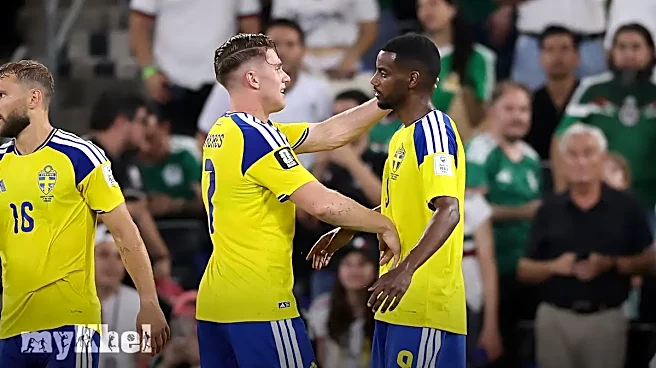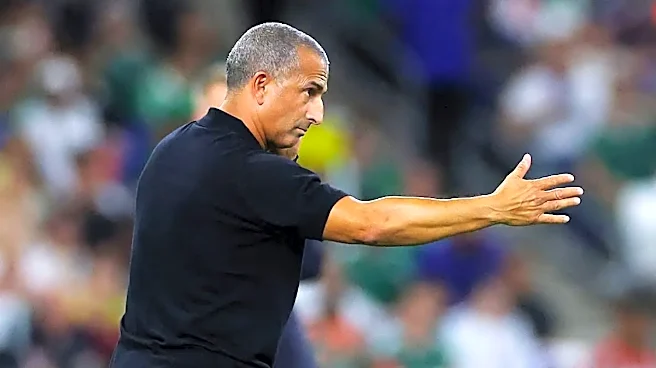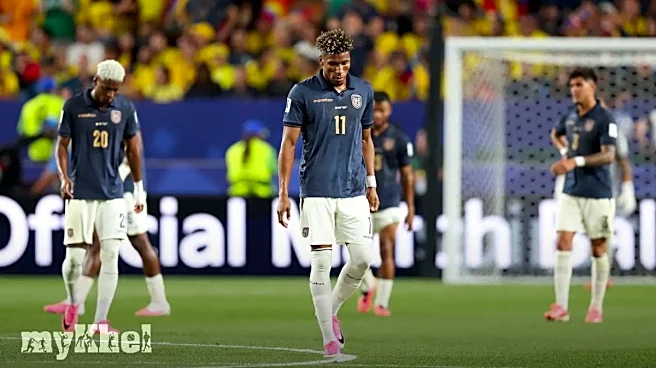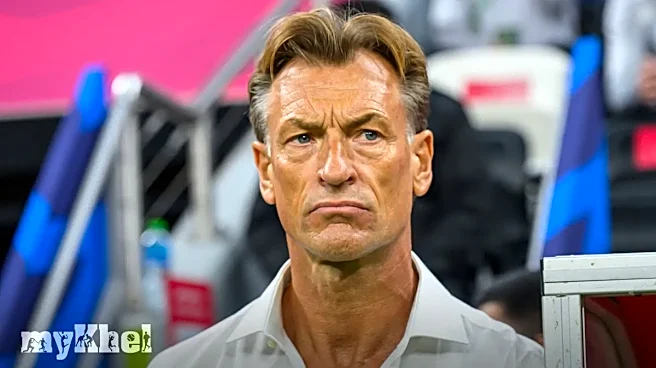



Tunisia have reacted to their heavy World Cup defeat by dismissing head coach Sabri Lamouchi and hiring Herve Renard, abandoning plans for Mondher Kebaier to take interim charge. The Tunisian Football Federation acts after a 5-1 loss to Sweden in Group F, with pressure already intense before Saturday’s crucial meeting with Japan.
Lamouchi’s exit comes just months after appointment in January, following Sami Trabelsi’s departure. The 5-1 reverse against Sweden leaves Tunisia’s campaign under strain, with defensive and tactical concerns highlighted by five different scorers and a subdued response from Tunisia throughout the second half.
In an unexpected shift, the Tunisian Football Federation first indicated Kebaier would step in for the Japan match,
then confirmed Renard as head coach until the end of the tournament. The move places an experienced international manager in charge immediately, with discussions over a possible longer agreement already built into the arrangement.
The FTF detailed Renard’s mandate in a formal statement on Instagram, underlining both the World Cup focus and post-tournament talks. "The Tunisian Football Federation announces the appointment of Herve Renard as the coach of the national team until the end of the 2026 World Cup, to carry out his duties starting this evening, the FTF confirmed on Instagram. The agreement also states to open negotiations after the end of participation in the World Cup, for long-term cooperation based on specific sporting goals. "
The defeat by Sweden extends a difficult World Cup record for Tunisia. The team have now won only three of their last 19 matches at the tournament, a win percentage of 15.8%. Among nations to have played at least 15 games, only Bulgaria hold a lower figure, with an 11.5% success rate.
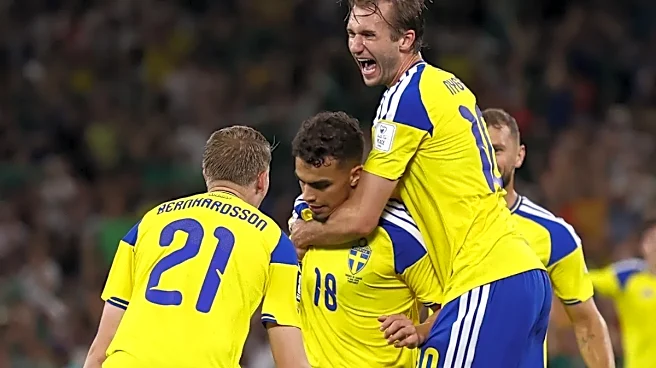
Sweden’s attack exposed Tunisia’s defensive structure in the opening group fixture. Yasin Ayari scored twice, while Alexander Isak, Viktor Gyokeres and Mattias Svanberg each added one goal. Tunisia’s response yielded only a solitary strike, leaving Lamouchi under pressure and prompting the swift decision to change direction before facing Japan.
| Team | World Cup matches (recent record cited) | Wins | Win percentage |
|---|---|---|---|
| Tunisia | 19 | 3 | 15.8% |
| Bulgaria | 15 or more | Not specified | 11.5% |
Herve Renard Tunisia World Cup role and coaching background
Renard arrives with strong World Cup exposure from different continents. At Qatar 2022, Renard guided Saudi Arabia to a famous opening victory over eventual champions Argentina, although defeats against Poland and Mexico meant Saudi Arabia finished bottom of their group and missed the knockout rounds.
After that men’s campaign, Renard took charge of France at the 2023 Women’s World Cup. France reached the quarter-finals under Renard, but exited at that stage. Renard then returned to Saudi Arabia for a second spell as national team coach, later securing qualification for this year’s World Cup.
Renard’s international résumé also features major success in African football. Renard won the Africa Cup of Nations with Zambia in 2012 and with Ivory Coast in 2015. At club and national level, Renard has previously held roles with Lille and Morocco, adding European and North African experience to Tunisia’s technical staff.
Tunisia World Cup coaching changes and recent instability
Lamouchi’s dismissal sets a unique mark in tournament history. The coach becomes the first manager to be removed after just one game of a World Cup campaign. The decision follows a short tenure, as Lamouchi had only been in the role since January, replacing Sami Trabelsi earlier in the year.
The turnover on the Tunisia bench has been intense. Renard is the seventh person to occupy the head coach position since the start of 2024. Jalel Kadri remains the last Tunisia boss to stay long enough to manage 20 matches, overseeing 27 games between January 2022 and January 2024 before the subsequent sequence of rapid changes.
Tunisia now enter the remainder of their World Cup schedule with Renard’s experience balancing recent instability. The early defeat to Sweden, the statistical record at the tournament and frequent coaching changes set a demanding context, yet the new appointment is structured around the current campaign and potential long-term planning with clearly defined sporting targets.