



New Delhi, November 21: Formula 1 is moving closer to bringing back its iconic V8 engines in 2030 after a unanimous agreement was reached among the sport's key stakeholders on Friday. The proposed move is expected to restore the distinctive engine roar that has been missing from F1 since the end of the V8 era in 2013.
The FIA, Formula 1 teams, Formula One Management (FOM), and power unit manufacturers have reportedly agreed on the plan, marking a significant step towards a new technical direction for the championship.
The FIA's World Motor Sport Council is scheduled to meet next month in Shanghai to present a more detailed proposal for the potential return of V8 power units.
FIA President Welcomes Proposed V8 Engine Return
FIA President Mohammed Ben Sulayem described the agreement as an important
opportunity to reconnect Formula 1 with its traditional identity.
He said the objective is to develop lighter, simpler and more affordable cars while placing greater emphasis on driver skill.
The proposed engine change reflects growing discussions within Formula 1 about simplifying power unit technology and improving the overall racing experience.
F1 Teams and Drivers Support V8 Engine Revival
Support for the proposed V8 engine comeback has been building during the Las Vegas Grand Prix weekend.
McLaren CEO Zak Brown confirmed that an agreement had been reached in principle, adding that the remaining work involves finalising the details.
Mercedes driver George Russell also welcomed the possibility of bringing back V8 engines. He said the sound of older Formula 1 cars gives him goosebumps and that he misses the high-pitched engine noise associated with the previous generation.
Although some traditionalists may be concerned about reducing electrical power, Russell believes Formula 1 will continue to produce the fastest racing cars in the world.
Max Verstappen Welcomes Potential V8 Return
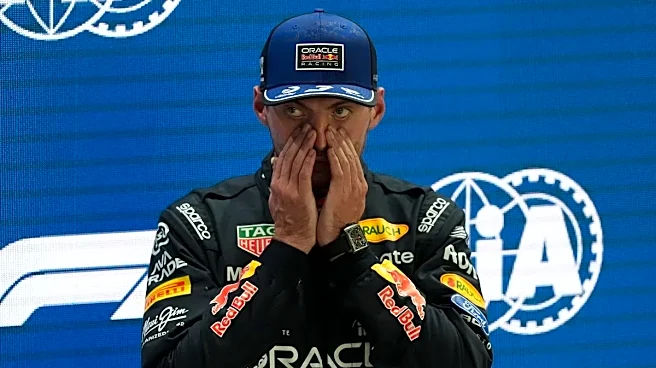
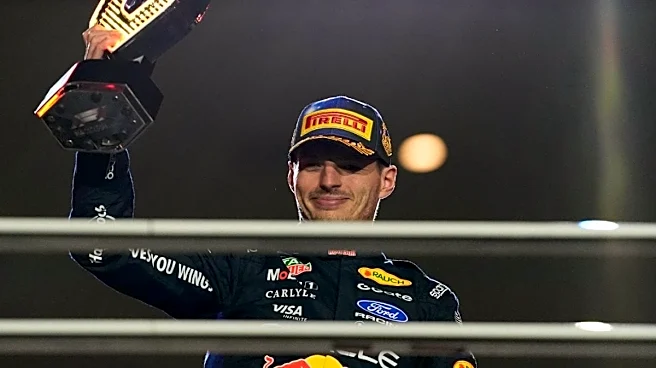
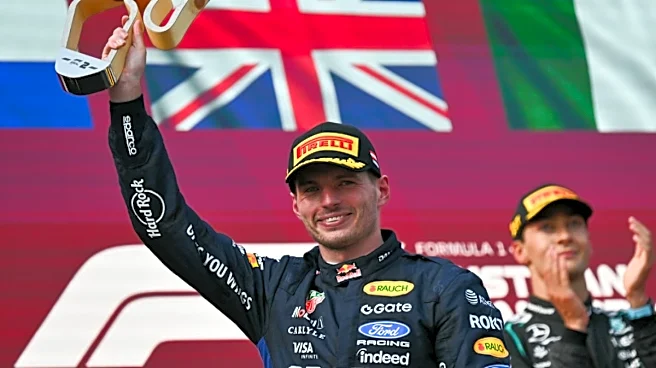
Four-time Formula 1 world champion Max Verstappen also expressed support for the proposed change, although he remains uncertain about his future in the sport beyond 2030.
Verstappen's current Red Bull contract runs until the end of 2030, and he has not committed to racing beyond that period.
He described the V8 comeback as a positive decision for Formula 1 but declined to reveal whether the change would influence his long-term career plans.
When Did Formula 1 Last Use V8 Engines?
Formula 1 used naturally aspirated V8 engines from 2006 to 2013 before introducing 1.6-litre V6 turbo-hybrid power units in 2014.
The V8 era became popular among fans for its distinctive high-revving sound and relatively straightforward engine technology.
The proposed 2030 return could mark another major change in Formula 1's technical regulations, although the final specifications and implementation details are yet to be confirmed. The proposed V8 revival signals a potential new chapter for Formula 1, combining the sport's traditional engine character with its evolving technological ambitions.