
/images/ppid_a911dc6a-image-17757461436421030.webp)
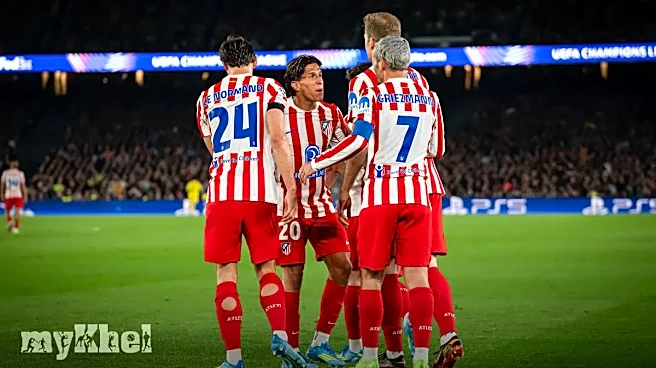
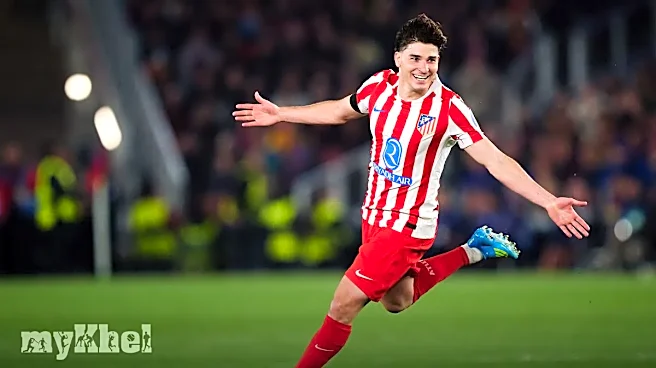
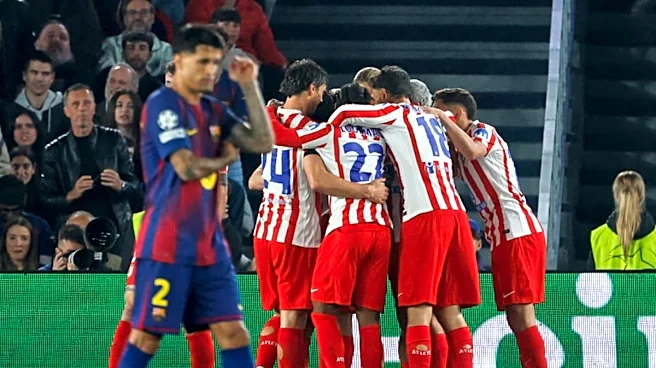
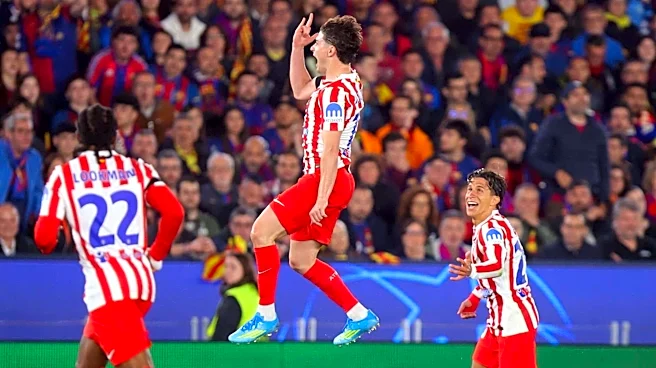
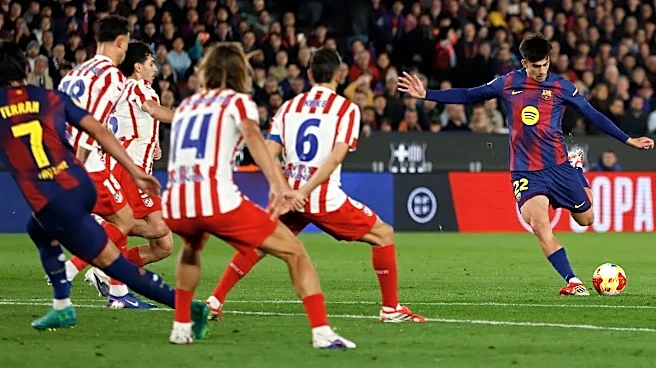
Barcelona vs Atletico Madrid: Atletico Madrid showcased a clinical performance against Barcelona in the first leg of the Quarterfinals. The win gave the red and white their second win against the Catalan giants and fifth since the beginning of December.
In the 2013/14 and 2015/16 seasons, Atletico Madrid knocked Barcelona out to reach the UEFA Champions League semi-finals, giving them a historical edge in this fixture. That advantage remained relevant despite Barcelona's dominant record of being unbeaten in their last 25 head-to-head matches at Camp Nou, a streak dating back to 2006. To add to that, Atleti hadn't won in their last six Champions League knockout games (L5, D1), which changed after yesterday's game.
On the other hand, the Catalans
had failed to progress from six of their last nine Champions League quarter-finals. Naturally, for Flick a win at the Metropolitano, the bastion of Atleti will be on the cards. But what went wrong for the five-time UCL winners? Let's break it down in three major areas.
Midfield Mess
To start with, the Catalan side was all over the place when it came to midfield. Pedri, who was donning the armband, was ineffective in conducting the play. Eventually, the Barca captain was subbed out at the start of the second half (47 minutes).
Beyond Pedri, Dani Olmo continues to be an unpredictable figure for the club - brilliant in one game, subdued in the next.
Against Atleti, Olmo offered little as an additional attacking outlet, even though his pass completion rate remained among the highest on the pitch.
He also struggled to link effectively with Eric Garcia and Pedri, and that lack of cohesion arguably cost BarÇa the control they needed against a Rojiblanco side that was content to bypass midfield whenever the opportunity arose.
Cubarsi's Red Card
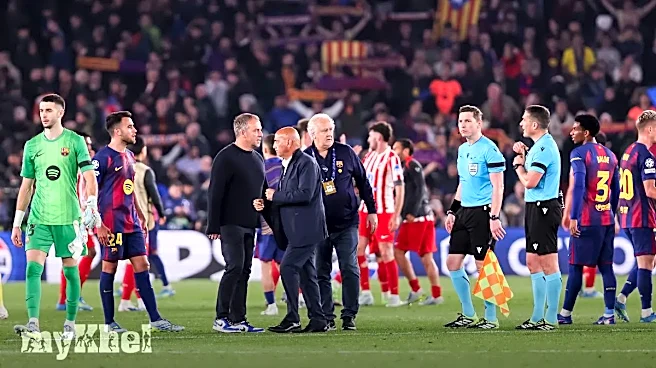
Pau CubarsÍ's red card against Atletico Madrid proved to be the turning point in a game that had initially been under FC Barcelona's control. His dismissal didn't just reduce Barcelona to ten men, it disrupted their entire structure, particularly in the build-up phase, where CubarsÍ's composure and ability to step into midfield are crucial.
Before the sending-off, Barcelona were dictating tempo through controlled possession, with Pedri helping maintain rhythm. Afterward, they were forced deeper, losing their grip on the game as Atletico began to exploit spaces and push numbers forward. The midfield became easier to bypass, and BarÇa's transitions turned reactive rather than controlled.
The attacking phase also suffered. Players like Dani Olmo found themselves isolated, with fewer passing options and reduced support between lines. Barcelona's approach shifted from building sustained attacks to surviving pressure.
Ultimately, the red card changed both the tactical balance and psychological momentum, allowing Atletico to take control of territory and tempo in a match that Barcelona had previously managed effectively.
Wastefulness At Top
If there were problems in the midfield, the front line looked completely wasteful, with Marcus Rashford looking miserable. While Barcelona managed to progress the ball into advanced areas, Rashford's decision-making and finishing let them down at key moments. He often opted for low-percentage shots or held onto the ball too long, disrupting attacking rhythm.
Statistically, his output reflected that lack of cutting edge, registering a modest expected goals (xG) of under 0.2 against Atletico Madrid. For a player leading the line, that return highlights how little genuine threat BarÇa carried despite decent build-up play.