
The International Cricket Council (ICC) is set to take a crucial call on Pakistan's participation in the ICC Men's T20 World Cup 2026 following the Pakistan government's decision to boycott their group-stage
match against India.
According to reports, the ICC Board is scheduled to meet virtually on Monday to deliberate on the matter and assess possible disciplinary action against the Pakistan Cricket Board (PCB).
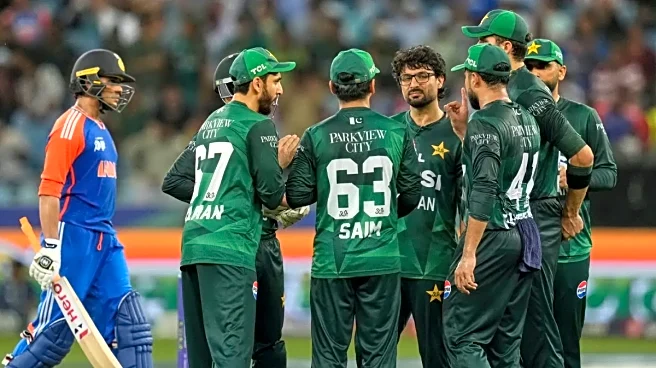
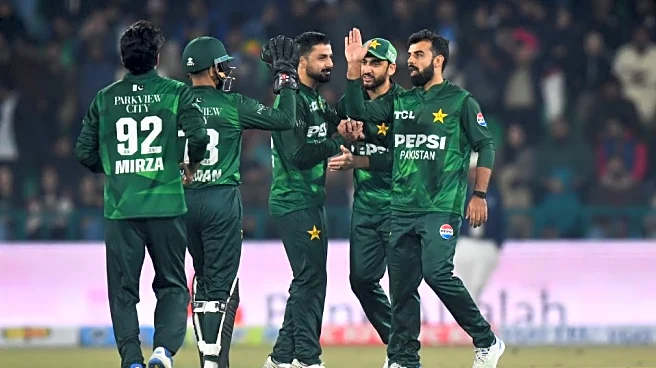
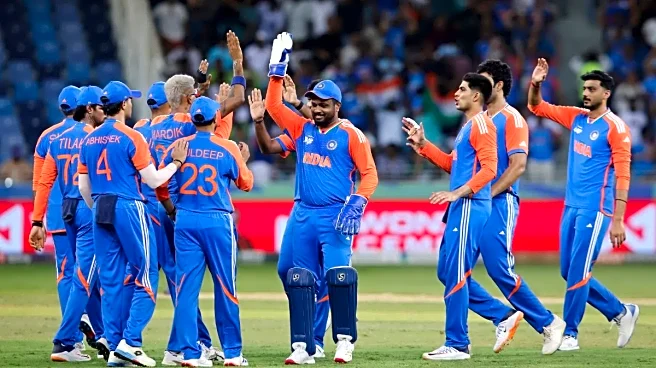
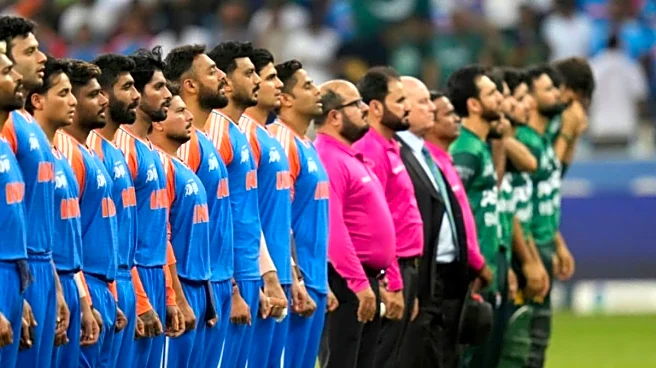
The controversy erupted after Pakistan's government announced that while it has granted permission to the national team to take part in the tournament, the side will not play the high-profile clash against India scheduled for February 15 at the R Premadasa Stadium in Colombo.
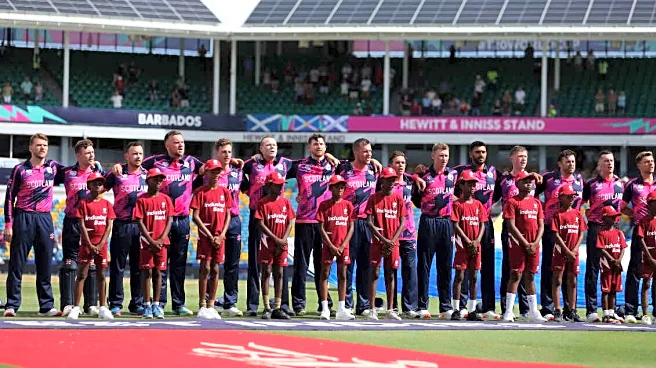
Scotland were named as their replacement in Group C. Pakistan, meanwhile, are placed in Group A alongside India, Namibia, the Netherlands, and the USA, and are set to open their campaign against the Netherlands on February 7.
While the PCB has not officially communicated its stance to the ICC yet, the governing body is expected to view the boycott seriously. Reports suggest that even if Pakistan are allowed to remain in the competition, strict sanctions could follow, given the commercial and sporting impact of an India-Pakistan fixture.
An India-Pakistan T20 World Cup match is one of the biggest revenue drivers in world cricket, with advertising losses alone estimated to cross ₹200 crore. Broadcasters and sponsors are likely to push for accountability, putting further pressure on the ICC to act firmly.
If Pakistan are barred from the tournament, Uganda are expected to step in as their replacement. Beyond the immediate tournament implications, the fallout could extend well into Pakistan's future in international cricket.
Five possible implications for Pakistan and the PCB:
- A complete ban from the ongoing T20 World Cup.
- Withholding of ICC's annual revenue share to the PCB.
- Compensation to broadcaster Jio-Star for loss of commercial revenue.
- Sanctions on bilateral series, including potential loss of World Test Championship points and impact on ICC rankings.
- Restrictions on overseas players in the Pakistan Super League, severely affecting the league's quality and finances.
The ICC's decision is expected to set a strong precedent on how political decisions intersect with international cricket.