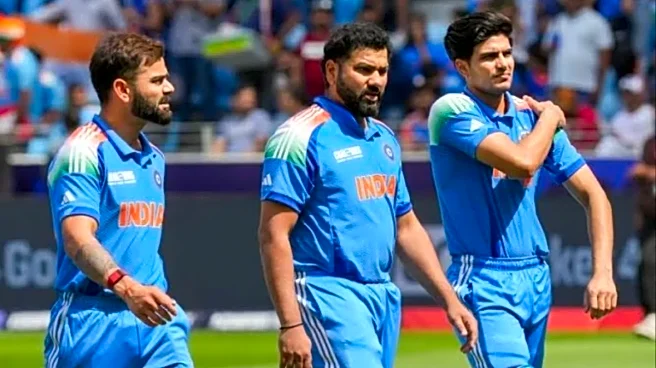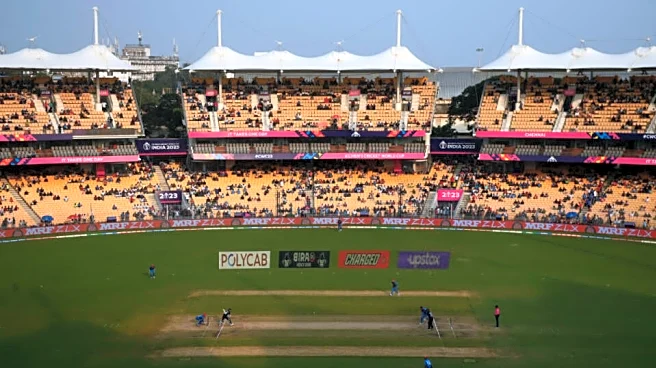

India's defeat to New Zealand in the ODI was not the result of a single failure, but a combination of moments that gradually tilted the game away from the hosts. In a match where individual brilliance
briefly kept India afloat, New Zealand were more complete across all three phases, executing better when it mattered most.
How New Zealand took control
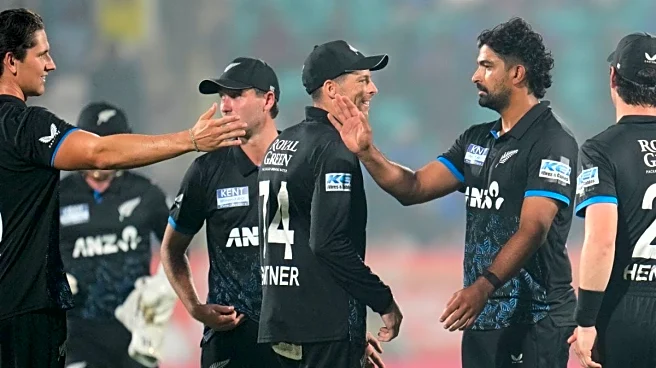
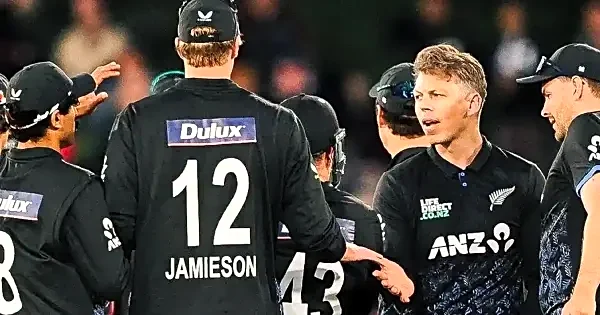
The Black Caps' innings were defined by recovery and control. Reduced to 5 for 2 early, the visitors looked vulnerable before Daryl Mitchell and Glen Phillips flipped the script. Their partnership of 219 runs was the decisive passage of the match, allowing New Zealand to post 337 for 8 on a surface that rewarded patience.
Mitchell's 137 off 131 balls was a continuation of his strong record against India, built on placement and game awareness rather than brute force. Phillips complemented him with a faster-paced century, ensuring that India were always chasing the game in the final overs. Despite early wickets, India's inability to strike through the middle overs allows New Zealand to settle and accelerate.
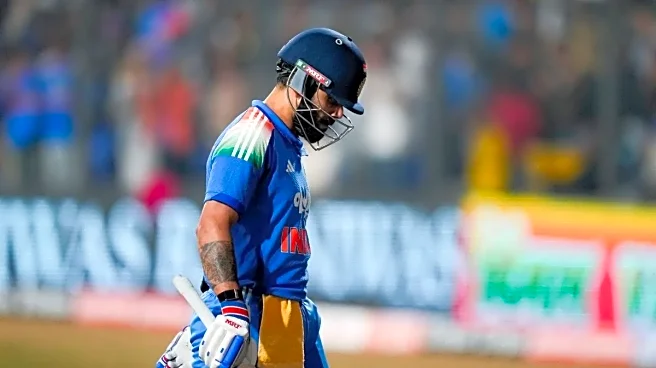
India lost the plot early despite Virat Kohli's heroics
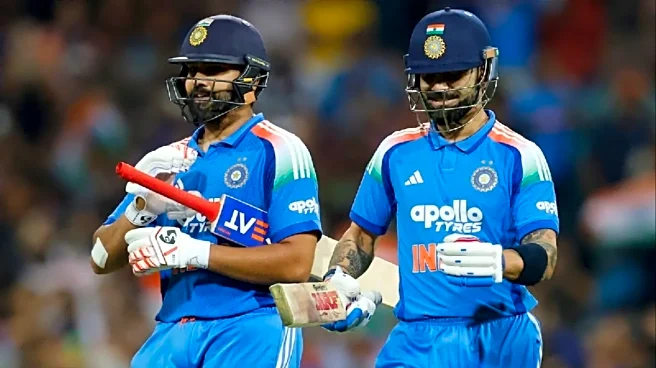
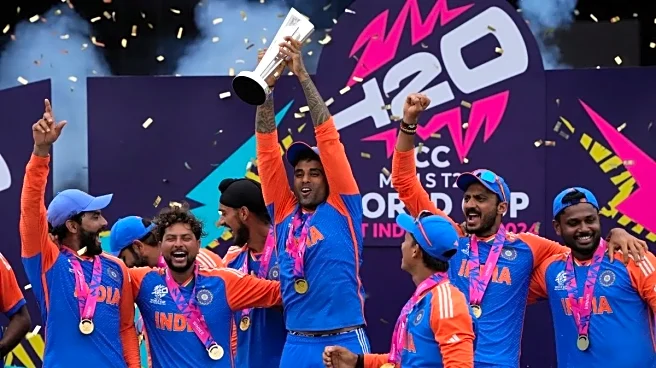
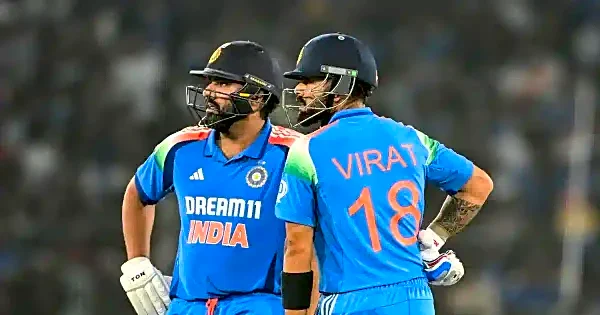
India's chase began under pressure and never truly recovered. Early wickets exposed a fragile middle phase, leaving Virat Kohli to play the anchor while partners fell around him. Kohli's century was a reminder of his control and temperament, but it came in a chase that demanded sustained partnerships rather than individual rescue acts.
The loss of KL Rahul inside the first 15 overs proved particularly costly. With India slipping to four down early, the required rate climbed sharply, forcing risk-taking against a disciplined New Zealand attack. Contributions from Nitish Kumar Reddy and Harshit Rana added responsibility, but by then the gap was too wide to close.
Team India's glaring bowling and fielding concerns
India's bowling effort lacked penetration after the initial burst. Wickets dried up in the middle overs, allowing Mitchell and Phillips to bat without scoreboard pressure. Missed chances compounded the issue: dropped catches and missed run-out opportunities meant New Zealand were rarely forced to rebuild.
India's bowling effort lacked penetration after the initial burst. Wickets dried up in the middle overs, allowing Mitchell and Phillips to bat without scoreboard pressure. Missed chances compounded the issue - dropped catches and missed run-out opportunities meant New Zealand were rarely forced to rebuild.
Spin, usually India's stronghold at home, did not provide the control expected. Kuldeep Yadav conceded heavily, while Ravindra Jadeja went wicketless once again. Former India all-rounder Irfan Pathan pointed to Jadeja's recent returns, highlighting both his lack of wickets and limited impact with the bat as growing concerns in the ODI.
The Big Picture for Team India
The loss carries significance beyond a single match. India's ODI record at home has long been a fortress, with only a handful of series defeats since 2010. New Zealand, meanwhile, was chasing a rare milestone - their first ever bilateral ODI series win in India.
For Indian head coach Gautam Gambhir, the defeat adds pressure amid a period that has already seen India concede ground at home across formats.
Ultimately, this ODI was decided by New Zealand's ability to maximise key phases - rebuilding when early wickets fell and cashing in during the middle overs. India, on the other hand, was left chasing their innings rather than controlling it.