
The Board of Control for Cricket in India has reportedly tightened its anti-corruption and security protocols during IPL 2026, with players, commentators, influencers and even family members now under greater scrutiny over what officials are calling the league's growing "reel culture. "
According to multiple reports, the BCCI and the IPL's Anti-Corruption and Security Unit (ACSU) have become increasingly concerned about unrestricted filming, behind-the-scenes content creation and unauthorised access inside sensitive areas such as dressing rooms, dugouts, team buses and hotels.
The development comes amid broader fears that excessive social media exposure and relaxed access norms could compromise player security and anti-corruption safeguards during
the tournament.
BCCI reportedly warns players and commentators over filming inside stadiums
One of the biggest talking points in the latest crackdown is the board's reported stance against filming content while wearing official IPL or BCCI accreditation.
As per reports, a former international cricketer working on the broadcast panel was stopped after allegedly filming content near the dugout during a tense stage of a match.
The BCCI is also reportedly considering legal action against another former cricketer who was found recording content for a personal YouTube channel from restricted areas inside the venue.
The board has now reportedly reiterated that anyone wearing official IPL or BCCI attire cannot create independent content from inside operational zones during matches.
The concern is not just about social media visibility, but about what may unintentionally be captured - including tactical discussions, player movement, dressing-room interactions and sensitive match situations.
Why the BCCI is worried about IPL's growing social media culture
The IPL has increasingly evolved into a content-heavy ecosystem where franchises, influencers and players constantly generate reels, vlogs and behind-the-scenes footage for platforms like Instagram and YouTube.
However, the BCCI reportedly believes the culture has started crossing operational boundaries.
Officials are said to be particularly concerned about players posting travel footage, hotel clips and match-day routines in real time, potentially exposing team movement and internal logistics.
Reports also claim that at least one Indian pacer was informally warned after repeatedly posting reels involving team travel and dressing-room access.
Families of players have reportedly also been advised to avoid uploading content from restricted team environments.
The ACSU's fear appears to be less about harmless entertainment and more about the possibility of information leakage, unauthorised access and vulnerable interactions around players.
Dugout access, influencers and team hotels now under the scanner
Another major concern for the BCCI reportedly involves the growing presence of influencers and unofficial guests around IPL teams.
The ACSU is believed to have flagged instances where unknown individuals were seen around team hotels, buses and players' areas during domestic T20 competitions linked to the IPL ecosystem.
The board also reportedly feels franchises have become too relaxed in granting behind-the-scenes access for promotional collaborations and social media campaigns.
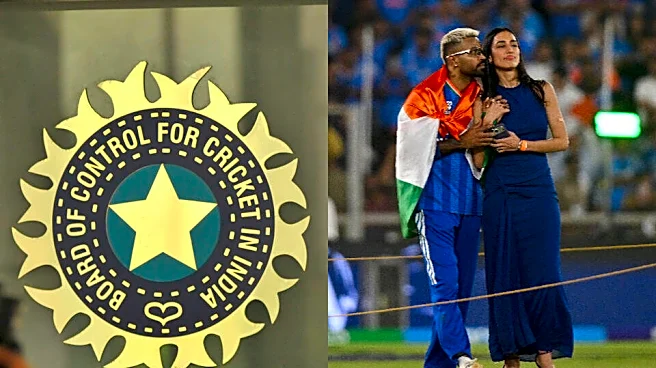
Senior players are additionally under scrutiny for allowing friends and family into team buses and restricted hotel areas, something officials reportedly believe creates a "poor example" for younger cricketers entering the IPL setup.
The BCCI already conducts anti-corruption education sessions with players, owners and support staff every season, but the board now appears ready to enforce those boundaries more aggressively.
IPL's commercial boom has changed the environment around players
The IPL's transformation into a 24/7 digital entertainment product has dramatically increased player visibility beyond the cricket field.
Modern cricketers are no longer just athletes during the tournament - they are influencers, content creators and brand ambassadors. Teams themselves encourage players to participate in social-first campaigns designed to maximise fan engagement.
That environment has naturally blurred the line between access and overexposure.
The BCCI's latest move suggests the board now believes the balance has tilted too far toward unrestricted content creation, especially inside operational spaces traditionally treated as private or controlled zones.
BCCI trying to prevent bigger off-field controversies
The latest measures also follow a series of recent controversies and security discussions surrounding IPL 2026, including concerns over player behaviour, unauthorised visitors and anti-corruption vigilance.
Earlier this season, franchises reportedly received detailed advisories regarding restricted hotel access, suspicious interactions and operational discipline around players.
The board now appears determined to tighten control before smaller breaches evolve into larger controversies.
While the IPL's social media boom has helped the league become more accessible and marketable than ever, the BCCI's message is becoming increasingly clear: entertainment cannot come at the cost of security, discipline or anti-corruption safeguards.