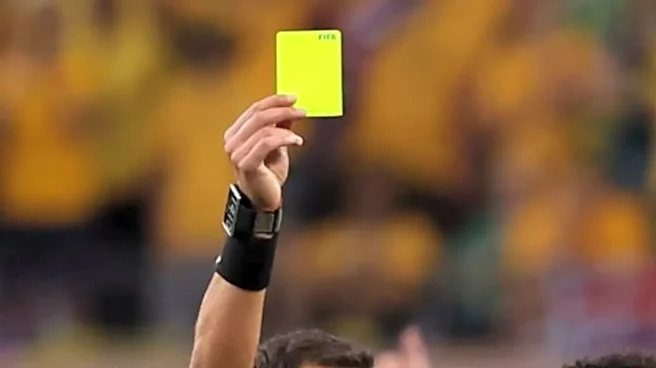





England's disciplinary record at the 2026 FIFA World Cup has become a major talking point after viral statistics comparing yellow cards among the quarter-finalists sparked widespread debate on social media.
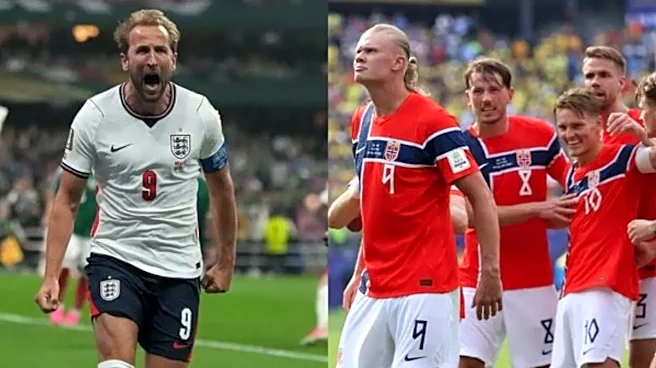
The numbers suggest England have been booked far more frequently than the other seven remaining teams, raising fresh questions over refereeing consistency and increasing the risk of suspensions ahead of their quarter-final against Norway.
What are the viral FIFA World Cup yellow card statistics?
A graphic circulating on social media compares how often each quarter-finalist has been shown a yellow card relative to the number of fouls committed.
According to the figures:
| Team | Average Fouls per Card |
|---|---|
| England | 7.0 |
| Morocco | 9.8 |
| Belgium | 10.0 |
| Switzerland | 11.5 |
| France | 12.2 |
| Norway | 13.6 |
| Spain | 17.5 |
| Argentina | 22.0 |
If accurate, the figures suggest England receive a booking every seven fouls, while Argentina average one yellow card every 22 fouls-more
than three times as many fouls before being cautioned.
The statistics have fuelled online claims that disciplinary decisions have not been applied consistently across the tournament.
Why are fans comparing England and Argentina?
The discussion has intensified because Argentina have reportedly completed five World Cup matches without receiving a single yellow or red card.
Over the same period:
- Argentina have reportedly received 0 yellow cards and 0 red cards.
- Their opponents have accumulated 12 yellow cards and one red card.
While those numbers alone do not prove inconsistent officiating, they have prompted debate among supporters over how similar incidents are being interpreted across different matches.
Why does it matter for England?
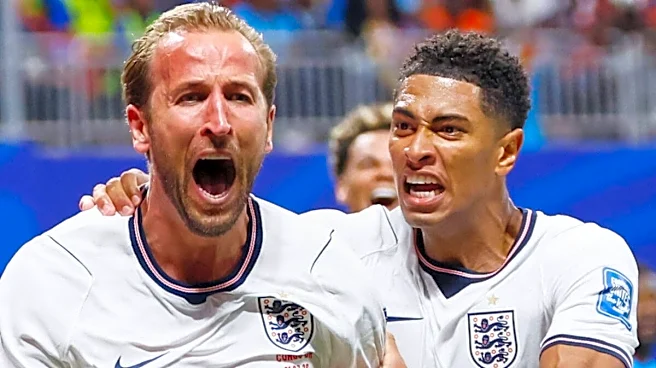
The disciplinary picture is particularly significant because several of England's key players are one booking away from suspension.
Under FIFA's regulations, yellow cards received during the knockout rounds accumulate until after the quarter-finals.
Any player who receives a second active yellow card in the quarter-finals will miss the semi-finals if their team progresses.
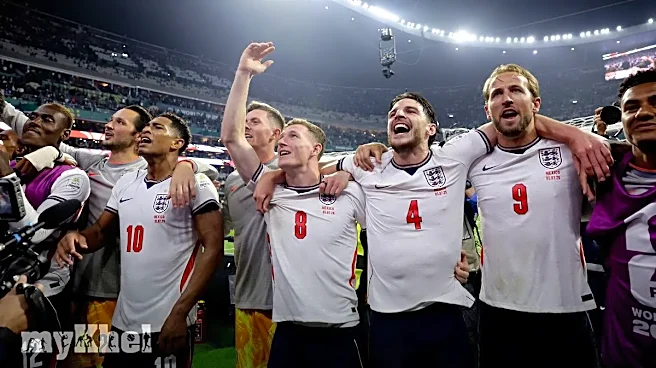
England currently have four starters walking that disciplinary tightrope:
- Jude Bellingham
- Declan Rice
- Marc Guehi
- Nico O'Reilly
Each would receive an automatic one-match suspension with another booking against Norway.
Which other quarter-finalists are at risk?
England are not alone.
Seventeen players across the remaining eight teams enter the quarter-finals carrying an active yellow card, including:
- Achraf Hakimi (Morocco)
- Issa Diop (Morocco)
- Granit Xhaka (Switzerland)
- Denis Zakaria (Switzerland)
- Antonio Nusa (Norway)
- Ferran Torres (Spain)
- Brandon Mechele (Belgium)
- Gonzalo Montiel (Argentina)
Their teams also face selection concerns should another booking arrive this weekend.
How do FIFA's yellow card rules work?
The expanded 48-team World Cup has slightly altered the disciplinary system.
Yellow cards received during the group stage were wiped before the knockout rounds began.
A second disciplinary reset will occur after the quarter-finals.
That means:
- Players carrying one yellow card into the quarter-finals risk suspension if booked again.
- Any surviving players will start the semi-finals with a clean disciplinary record.
The system is designed to reduce the likelihood of players missing the World Cup final because of accumulated cautions.
Is there evidence England have been treated unfairly?
The viral statistics have generated significant discussion, but they should be viewed with caution.
A comparison of fouls per yellow card does not account for several important factors, including:
- the nature and severity of individual fouls;
- whether challenges stopped promising attacks;
- reckless or tactical offences;
- persistent infringement;
- dissent or delaying restarts.
FIFA referees assess each incident individually rather than issuing cards based solely on the total number of fouls committed.
However, the disparity between England's and Argentina's disciplinary records has inevitably invited scrutiny, particularly with England facing the possibility of losing key players before a potential World Cup semi-final.
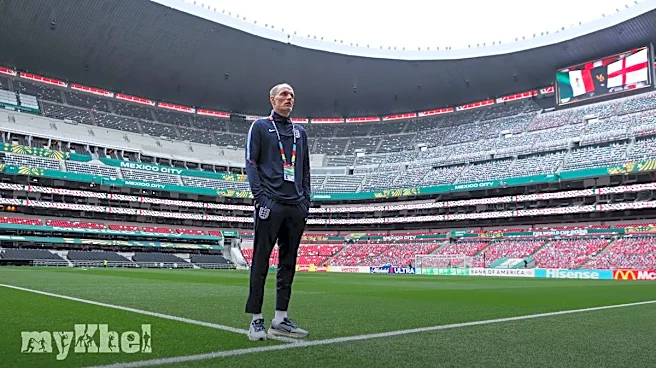
For Thomas Tuchel, the challenge is now twofold: overcoming Norway to keep England's World Cup hopes alive while ensuring his players avoid unnecessary bookings that could prove costly later in the tournament.