
/images/ppid_a911dc6a-image-177105956122469810.webp)
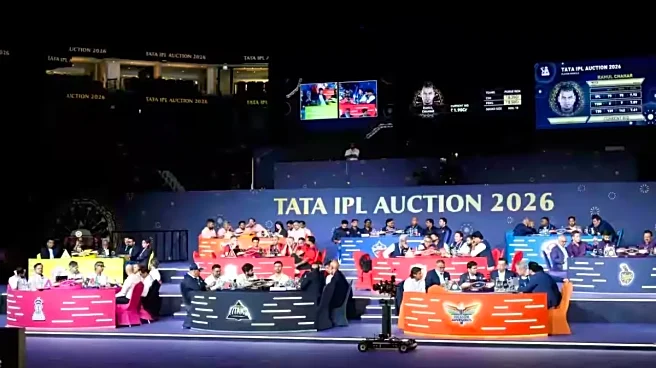
In the quiet grandeur of Abu Dhabi's Etihad Arena on Tuesday (December 16), the IPL 2026 auction unfolded like a meditation on change.
Ten franchises, bound by the eternal cycle of renewal, spent ₹215.45 crore to acquire 77 players, filling every available slot with their choices.
It was not a frenzy of excess, but a thoughtful pursuit of balance: proven strength tempered by emerging promise, experience yielding to the quiet potential of youth.
At its heart, the auction revealed a deeper truth about cricket's fleeting nature. Impermanence ruled the day as veterans once celebrated found themselves overlooked, while raw talents from domestic circuits rose like new dawn. Franchises, aware that no dynasty lasts forever, turned toward the horizon, investing
in those who might carry the flame for the long haul.
CSK's shift from Old Age to Gen Z
Chennai Super Kings have always been known for sticking with experienced players, sometimes called the "Dad's Army" because of their older squad. But this time, they really changed things up. They let go of that approach and focused on young, fresh talent, a Gen Z revolution.
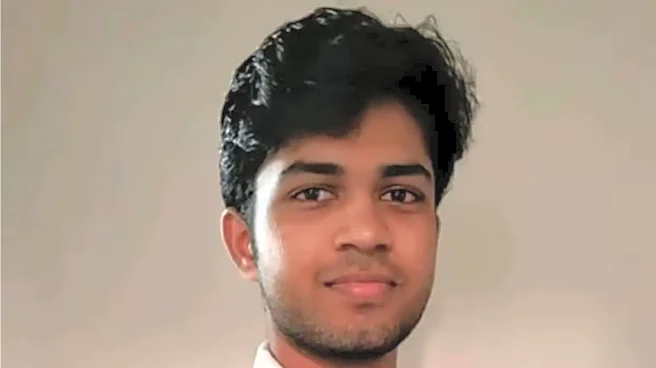
Prashant Veer, a 20-year-old left-arm spinner who can also bat, and Kartik Sharma, a 19-year-old wicketkeeper-batter. Each went for ₹14.20 crore, which is a record for uncapped players. Head coach Stephen Fleming talked about how the game is getting faster and they need players who can adapt quickly.
As 2026 approaches, CSK are rebuilding for the long haul, mixing in these kids with their core like MS Dhoni if he's still around. With the last two seasons being disappointing, the influx of youth may finally bring them back in the hunt for another title.
Punjab Kings - the Quiet Boy!
Punjab Kings didn't make much noise at all in this auction. They only picked up four players, which was the lowest number among all teams. They came in after a solid 2025 season where they were runners-up, so their squad was already pretty set.
They added Ben Dwarshuis, an Australian left-arm pacer, for ₹4.40 crore, and Cooper Connolly for ₹3 crore, plus two uncapped Indians at the base price. It seems like they trusted what they had and just wanted to fill small gaps without shaking things up.
Always known for their holistic change and hyperactive auctions, PBKS showcased that they can also be calm with the paddle!
KKR throwing the kitchen sink
KKR were the ones who spent the most and went all out on a couple of key players. They got Cameron Green, the Australian all-rounder, for a massive ₹25.20 crore after a bidding war with teams like CSK and Rajasthan Royals. That's the highest ever for an overseas player, and part of it even goes to the BCCI for player welfare.
Then they snagged Matheesha Pathirana, the Sri Lankan bowler with that unique slinging action, for ₹18 crore, the most for any Sri Lankan in IPL history. After a disappointing IPL 2025 campaign, they're clearly aiming to find that edge.
The Uncapped Indian players' renaissance
One of the nicest things about this auction was how much attention went to uncapped Indian players - guys who haven't played in the IPL yet but have shown promise in domestic cricket. It wasn't just CSK; other teams jumped in too.
For instance, Delhi Capitals picked up Auqib Nabi, a pacer from Jammu and Kashmir, for ₹8.40 crore, and Royal Challengers Bangalore got Mangesh Yadav, another left-arm pacer, for ₹5.20 crore. These players started at a base price of just ₹30 lakh, but bidding drove the prices way up.
It is a real boost for Indian domestic cricket, with scouts finding talent from leagues like the Ranji Trophy or UPT20. This could mean more opportunities for young players from smaller places, helping the overall depth of Indian cricket.
Teams stressing on Young over Experience
Across the board, teams seemed to prefer younger players with potential over older, more experienced ones. A lot of established overseas stars in their 30s either didn't get picked or went for their base prices, while the young uncapped Indians got the big bucks.
The likes of Steve Smith, Devon Conway, Jonny Bairstow remained unsold, showcasing a certain shift in the approach. IPL is looking ahead to keep the league fresh, but is it too bold a step? Time will tell.
/images/ppid_a911dc6a-image-177106302538573741.webp)