


/images/ppid_59c68470-image-17755351508755599.webp)
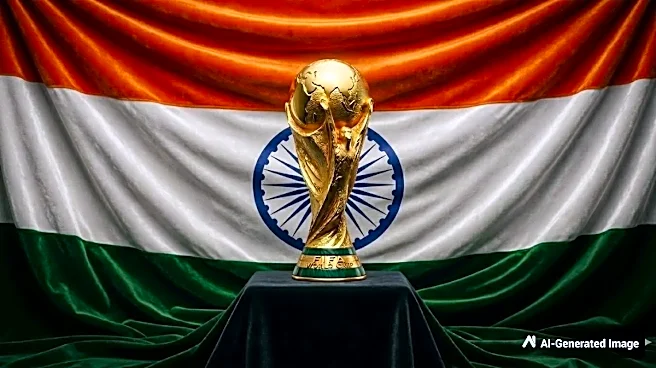
In an unusual development for one of the world's biggest sporting events, FIFA has reportedly reduced the media rights price for the 2026 and 2030 FIFA World Cups in India from $100 million to around $35 million, yet broadcasters in the country have still not come forward to secure the deal.
With the 2026 FIFA World Cup less than two months away, the absence of an official broadcaster for the Indian market marks a sharp departure from previous editions, where broadcast arrangements were finalised well in advance.
Rights Remain Unsold Despite Massive Price Cut
FIFA first floated tenders for the Indian subcontinent in July 2025, initially setting an asking price of roughly $100 million for combined rights covering both the 2026 and 2030 tournaments. However, due to limited interest from broadcasters
and streaming platforms, the price was later slashed to nearly $35 million.
Even after that significant reduction, reports indicate that no broadcaster has yet agreed to acquire the rights, leaving uncertainty over how Indian audiences will access the tournament.
The situation is particularly striking given India's growing football fan base and the increasing reach of digital streaming platforms.
A Sharp Drop From Previous World Cup Deals
The lack of interest becomes even more notable when compared to previous cycles.
For the 2022 FIFA World Cup, Viacom18 paid approximately $62 million for digital rights in India, marking a record deal at the time. Earlier editions also saw strong participation from major broadcasters, with Sony Sports Network holding television rights for the 2014 and 2018 World Cups.
The current inability to find buyers - even at nearly half the earlier price - signals a significant shift in the value perception of football broadcasting rights in India.
Wider Decline in Football Rights Value
The World Cup rights situation does not appear to be an isolated case. It reflects a broader cooling of football media rights valuations across India.
The Indian Super League (ISL), once considered the country's flagship football competition, has also seen a dramatic decline in rights value. Earlier deals reportedly fetched over ₹200 crore per year, but more recent cycles have seen figures drop to as low as ₹8 crore annually.
That sharp fall highlights the commercial challenges facing football broadcasting in India, despite steady grassroots interest and participation.
Industry observers believe the decline may be linked to several factors, including fragmented viewership, competition from cricket-dominated programming, and changing digital consumption patterns.
Why This Situation Is Unusual
Historically, FIFA World Cups have been among the most reliable global broadcast assets. Even in markets where football is not the dominant sport, the tournament has consistently attracted advertisers and viewers.
India has traditionally secured broadcast deals well before kickoff, making the current uncertainty particularly surprising.
The 2026 edition - scheduled to be hosted jointly by the United States, Canada and Mexico - will also be the largest World Cup in history, featuring 48 teams instead of the traditional 32. That expansion was expected to increase global interest, not reduce commercial value.
Yet the Indian market appears to be moving in the opposite direction.
What Happens If Rights Remain Unsold?
If FIFA fails to finalise a broadcast deal in the coming weeks, it may be forced to explore alternative distribution methods.
These could include:
- Negotiating short-term or last-minute deals
- Offering sub-licensing arrangements
- Exploring direct-to-consumer streaming partnerships
- Further reducing rights valuation
Such measures are not unprecedented globally, but they remain rare for marquee events like the FIFA World Cup.
A Warning Sign for Football's Commercial Future in India?
While football's popularity continues to grow at grassroots and fan levels, the falling value of broadcast deals suggests a disconnect between audience interest and commercial sustainability.
The failure to sell World Cup rights - even after a steep price drop - may indicate that broadcasters are becoming more cautious about investing heavily in football properties.
With the countdown to the 2026 tournament already underway, FIFA's next move in India could become a key indicator of the sport's commercial trajectory in one of the world's largest media markets.



/images/ppid_a911dc6a-image-177557452602496734.webp)

/images/ppid_59c68470-image-177549503029187736.webp)